I’ve always had a green thumb—whether it was coaxing tomatoes to ripen in my grandmother’s backyard or wrestling with stubborn weeds in my first apartment garden. Now, I’m sharing the lessons I’ve learned over the years, from seed to harvest, in the hopes of making gardening a little less intimidating and a lot more rewarding for everyone. Here, you’ll find practical tips, personal stories, and a healthy dose of patience (because even the best gardeners have their share of failures).
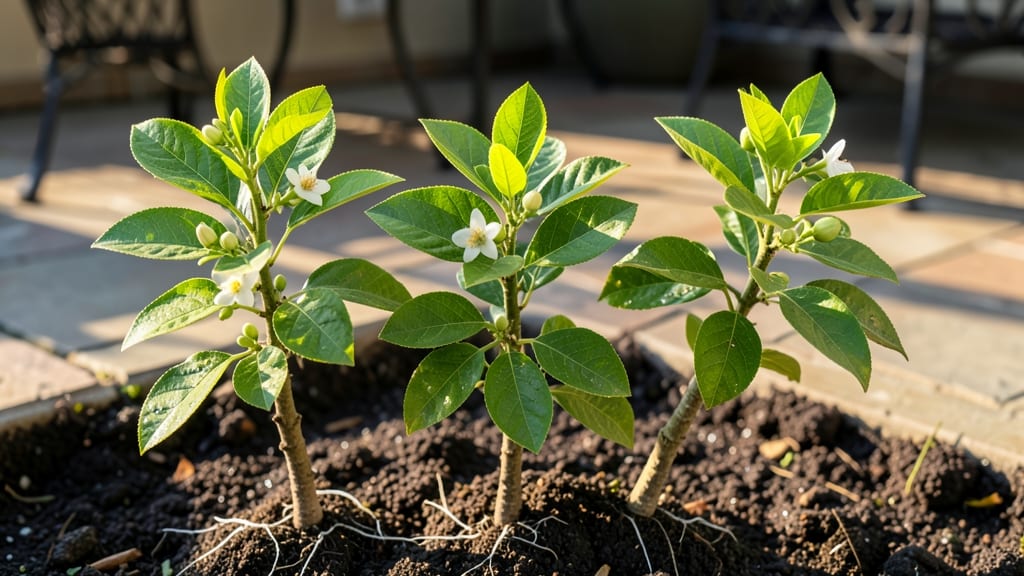
Fast-germination lemon tree saplings start with the right timing and soil warmth. 🌱 I’ve turned my kitchen counter into a mini citrus grove by using a simple heat mat trick—no greenhouse needed. The secret? Mimicking…
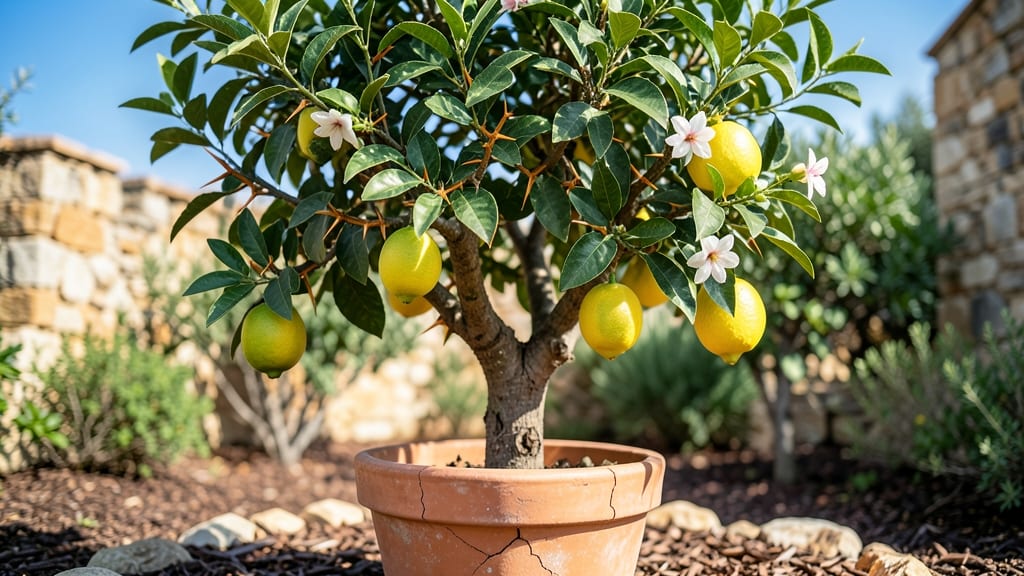
Starting a lemon tree starter in Zone 7 feels like bringing a taste of the Mediterranean to your backyard. 🌿 The key to success begins with choosing a cold-hardy variety—like 'Meyer' or 'Improved Meyer'—that can handle…
Your lemon tree thrives best within the lemon tree temp range of 60°F to 85°F —anything outside that stresses it, and frost kills it instantly. 🌿 I learned this the hard way when my first lemon tree lost all its leaves…
💥 Quick Answer Understanding the lemon tree temperature range reveals they prefer 60°F to 85°F , with peak growth in USDA zones 9-11. Young trees and varieties like Meyer lemons face frost damage below 30°F , while…
Lemon tree thorns aren't poisonous, but their sharp barbs can turn pruning into a painful chore. 🌿 I've learned the hard way—bloodied fingers and ruined gloves prove even the toughest gardeners need protection when…
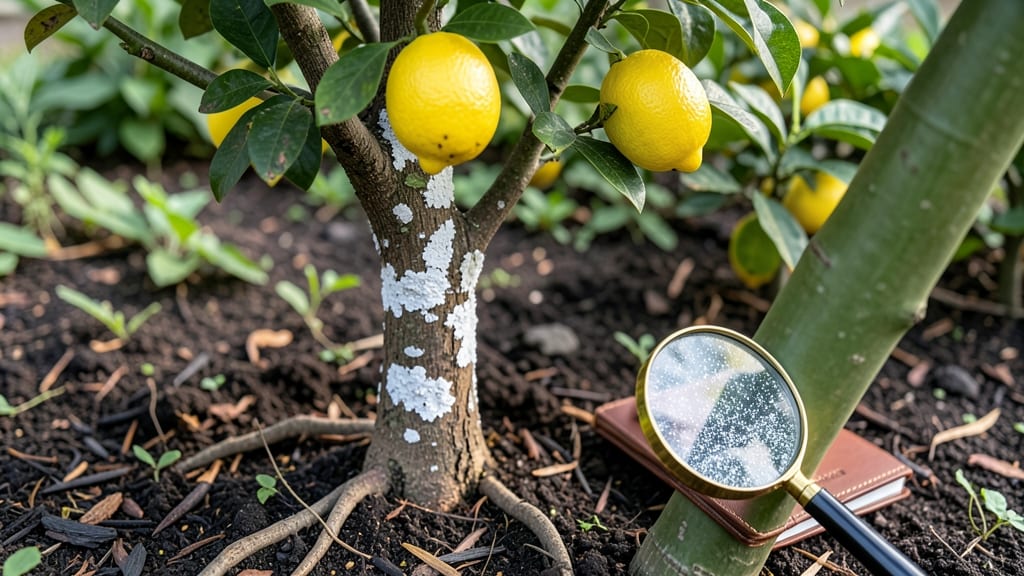
Seeing white fungus on your lemon tree can feel like a death sentence—but it’s often treatable with the right approach. These 10 proven fixes target the root causes of fungal growth while restoring your tree’s vitality…
White spots creeping up your lemon tree trunk? That powdery residue isn’t just unsightly—it’s a fungal warning sign that could weaken your tree if ignored. ✨ I’ve battled this exact issue with my Meyer lemon, and what…
💥 Quick Answer Lemon trees in Zone 8 need winter protection because they naturally thrive in warmer USDA zones 9-11. Shield roots with frost blankets, create microclimates, or use container planting to prevent damage…
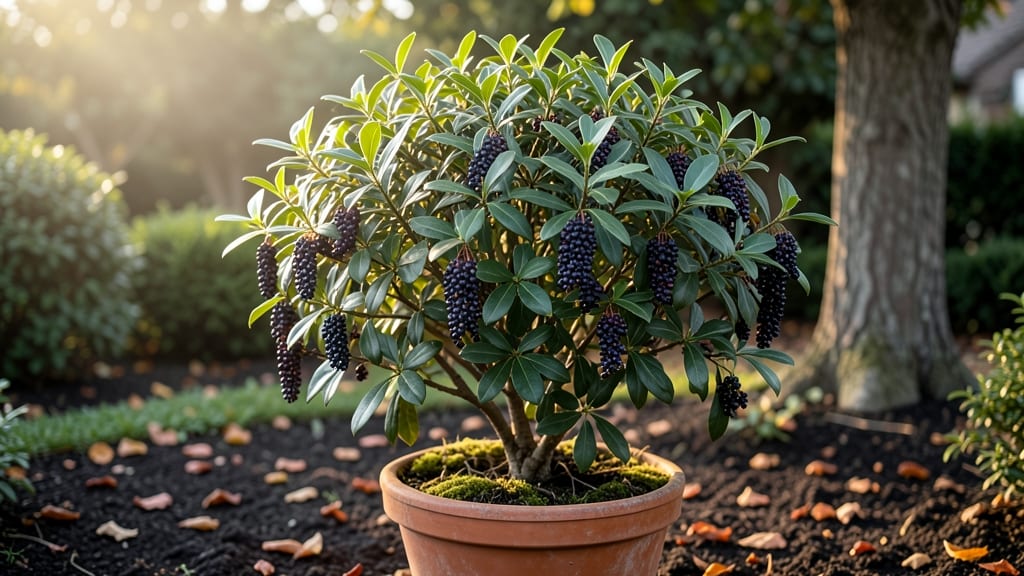
💥 Quick Answer Ligustrum tree berries are highly toxic to pets and children, containing toxins like ligustrin and saponins that can cause vomiting, diarrhea, and even neurological issues if ingested. Immediate removal…
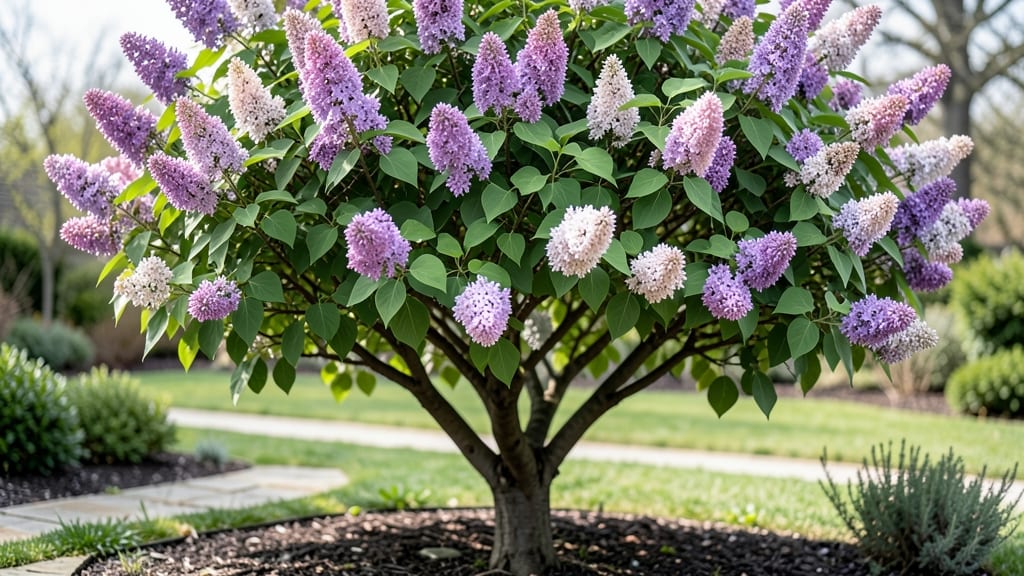
💥 Quick Answer The Lila tree in English is called the lilac tree ( Syringa vulgaris ), a beloved garden plant celebrated for its intoxicating spring fragrance and easygoing nature. Quick-start varieties like 'Tinkers…