
Container Gardens
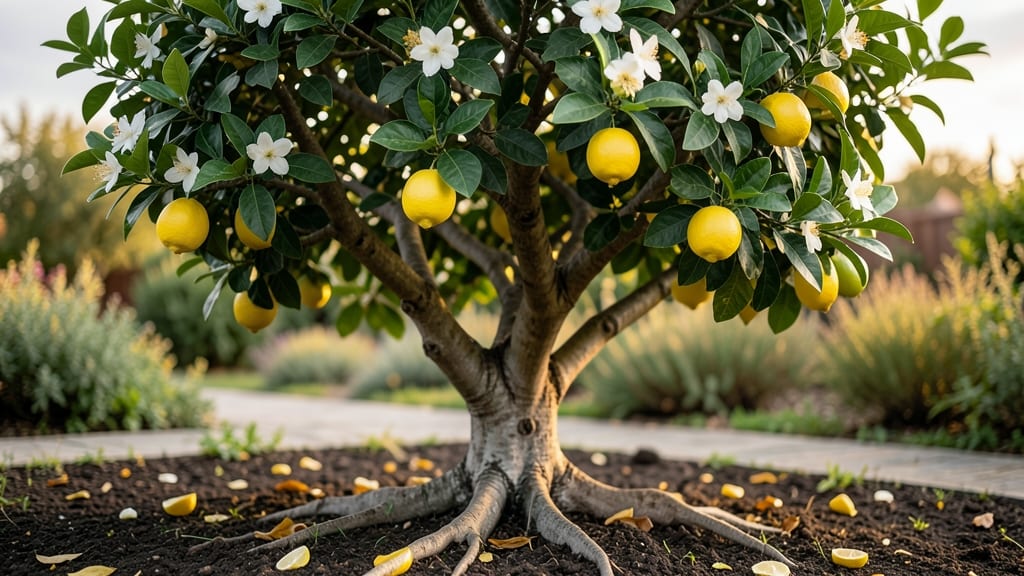
Growing a lemon tree that actually bears fruit starts with the right conditions—sunny spots and soil secrets make all the difference. 🌿 I’ve watched my Meyer lemon tree go from a sad nursery pot to a productive container plant simply by adjusting light, soil, and water.
The key? Mimicking the Mediterranean climate it craves, whether indoors or out.
Lemon trees need 6-8 hours of direct sunlight daily, warm temperatures (60-85°F), and well-draining soil that’s slightly acidic. Too much shade or soggy roots mean no blooms, no fruit—just frustration.
My tree thrives in a 15-gallon pot with a mix of cactus soil and perlite, and I water only when the top inch feels dry. Overwatering is the #1 killer of citrus.
By summer, you’ll see glossy new leaves and tiny white flowers—then, if you’re lucky, those signature lemons. The first harvest might take a year or two, but once it starts, it’s shockingly productive for a container plant.
(Yes, I’ve been guilty of overestimating my green thumb before—this method works even for beginners.)
Adapt this for small spaces: grow under grow lights in winter, use dwarf varieties, and prune to keep the tree compact. The payoff? Fresh lemons year-round, even in apartments. Let’s get those roots happy—your kitchen will thank you.
📚 In This Guide
- What you need
- Instructions
- Tips and common mistakes
- Wrapping up and next steps
What you need
- ● Lemon Tree Seedling or Bare-Root Plant: 1 dwarf variety (e.g., Meyer lemon or Eureka) for containers or small spaces.
- ● 1 standard-sized tree (if planting in the ground).
- ● Container (if growing in a pot): 1 15–20 gallon pot with drainage holes (minimum 12" diameter for dwarf varieties).
- ○ Fabric grow bag (optional, for better aeration).
- ● Well-Draining Potting Mix: 50% cactus/succulent mix or citrus-specific soil.
- ● 30% perlite or pumice (for drainage).
- ● 20% compost or worm castings (for nutrients).
- ● Fertilizer: 1 balanced citrus fertilizer (e.g., 6-6-6 or 8-3-9 NPK ratio).
- ○ 1 slow-release granular fertilizer (optional, for convenience).
- ● Mulch: 2–3 inches of organic mulch (e.g., straw, wood chips, or bark).
- ● Tools: 1 trowel or shovel (for planting).
- ● 1 pruning shears (sterilized, for shaping).
- ● 1 watering can or hose with gentle nozzle.
- ○ 1 pH testing kit (optional, to check soil acidity).
- ● Sunlight: A spot with 6–8+ hours of direct sunlight daily (south-facing windows or outdoor full sun).
- ● Climate: Hardiness zones 9–11 (for outdoor planting). In colder zones, grow in a pot and bring indoors during winter.
- ● Water Access: Regular watering (keep soil consistently moist but not soggy).
- ● Pollination (if growing from seed): 1 small paintbrush (to hand-pollinate flowers).
- ● OR a bee-friendly garden (if outdoors).
Step-by-step guide to lemon tree growing conditions
Here's how I create the perfect environment for a thriving lemon tree—whether you're starting from seed or caring for a young plant.
☀️ Step 1: Choose the Right Sunny Spot
Lemon trees demand full sun—at least 6-8 hours daily—to produce fruit and grow strong. I always place mine in a south-facing window or on a patio where it gets unfiltered afternoon light. If you're growing outdoors in cooler climates, move the tree indoors before temperatures drop below 40°F—citrus hates cold drafts.
Watch for signs of light stress: leaves that stretch toward the sun (called "etiolation") or turn pale yellow mean your tree needs more light. If you're using grow lights, position them 12-18 inches above the plant and keep them on for 14 hours daily. Lemon trees are picky—they won't tolerate dim corners or shaded balconies.
🌱 Step 2: Use Well-Draining Soil and a Proper Container
Citrus roots rot easily in soggy soil, so I mix equal parts potting soil, perlite, and compost for the perfect balance. If you're planting in the ground, amend native soil with sand or coconut coir to improve drainage. The container should have drainage holes—no exceptions. I use 15-20 gallon pots for mature trees to give roots room to spread.
Test your soil's moisture by sticking your finger 1-2 inches deep—if it feels damp, wait before watering. Lemon trees prefer the soil to dry out slightly between waterings. Overwatering is the #1 killer of young citrus, so I always check twice before adding more water. A moisture meter helps, but your finger works just as well once you get the feel for it.
💧 Step 3: Water Deeply but Infrequently
Deep watering once a week (more in summer) is better than light daily sprinkles. I water until water runs freely from the drainage holes, then let the tree drink up what it needs. In winter, cut back to every 2-3 weeks—citrus trees go semi-dormant when days shorten. Yellowing leaves often mean overwatering, while crispy edges signal underwatering.
Use room-temperature water (cold water shocks roots) and avoid getting leaves wet—this prevents fungal diseases like powdery mildew. I water in the morning so excess moisture evaporates before evening. If your tap water is hard (high in minerals), let it sit out overnight before using—citrus trees hate fluoride and chlorine buildup.
✂️ Step 4: Fertilize for Citrus-Specific Needs
Lemon trees need citrus-specific fertilizer (high in nitrogen early on, then balanced NPK) applied every 4-6 weeks during growing season. I use a slow-release granular fertilizer mixed into the top 2 inches of soil—never let it touch the trunk. In winter, I switch to a low-nitrogen formula to encourage rest. Organic options like fish emulsion or citrus compost work too, but follow package rates.
Watch for nutrient deficiencies: yellow leaves between veins? That's iron chlorosis, common in alkaline soils. I treat it with chelated iron applied to the soil. Over-fertilizing burns roots—always water before and after feeding. If you see brown leaf tips or stunted growth, flush the soil with water to remove excess salts from fertilizers.
🌿 Step 5: Prune for Airflow and Shape
Prune in late winter or early spring before new growth starts. Remove dead, crossing, or inward-growing branches first—this improves airflow and prevents disease. I cut back overly leggy growth by one-third to encourage bushier shape. Never prune more than 25% of the tree at once, or you'll shock it into dormancy.
Sterilize your pruners with rubbing alcohol between cuts to prevent bacterial spread. Seal larger cuts with pruning sealant to protect the tree. If you're growing indoors, prune to fit the space—citrus trees can get 10-15 feet tall outdoors but stay 6-8 feet in containers. Pinch back new growth tips in spring to encourage branching.
Tips & tricks for perfect lemon tree growing conditions
These small adjustments can make all the difference between a struggling lemon tree and one that thrives year after year.
Light Strategy: If your south-facing window isn't getting enough direct sunlight (especially in winter), supplement with a full-spectrum grow light. Position it 12-18 inches above the tree and run it for 14 hours daily to mimic natural daylight. I notice the biggest difference in winter when days are shorter—my tree's growth slows dramatically without the extra light.
Soil Mix Secret: The equal parts potting soil, perlite, and compost ratio works perfectly, but I add 10% coarse sand for extra grit if I notice water pooling. This prevents compaction and keeps roots aerated. For container growers, upgrade to 20-gallon pots once your tree reaches 3 feet tall—roots need space to spread horizontally, not just downward.
Watering Wisdom: The once-a-week rule works for most homes, but adjust based on your environment. In dry climates, you might need to water every 5-6 days, while humid areas could stretch to 10 days. Always check by sticking your finger 1-2 inches deep—if it's damp, wait. I've learned this the hard way after watching roots rot from overzealous watering.
Fertilizer Timing: When switching to low-nitrogen fertilizer in winter, I reduce the amount by half to avoid shocking the tree. The goal is to encourage rest, not growth. Also, flush the soil with water every 3-4 months to prevent salt buildup from fertilizers—this simple step prevents brown leaf tips that can look like overwatering.
Pro Tips for Lemon Tree Growing Conditions
- These small adjustments can make all the difference between a struggling lemon tree and one that thrives year after year.
- Light Strategy: If your south-facing window isn't getting enough direct sunlight (especially in winter), supplement with a full-spectrum grow light.
- Soil Mix Secret: The equal parts potting soil, perlite, and compost ratio works perfectly, but I add 10% coarse sand for extra grit if I notice water pooling.
Frequently asked questions
Got questions about growing your own lemon tree?
You’re not alone! Here are answers to the most common curiosities—from first-time gardeners to citrus enthusiasts.
What’s the ideal temperature range for a lemon tree?
A lemon tree thrives in warmth but hates extremes. Keep it between 60–85°F (15–29°C) during the day and avoid frost (below 30°F/-1°C). If you’re in a cold climate, grow it in a container and bring it indoors when temps drop. Learn more about winter care!
How long does it take for a lemon tree to bear fruit?
Patience is key! Dwarf varieties (like ‘Meyer’ lemons) may produce fruit in 2–3 years, while standard trees can take 5–10 years. Ensure your tree gets 6+ hours of sunlight daily, well-draining soil, and regular watering (but not soggy roots). Prune properly to encourage fruiting!
How often should I water my lemon tree?
Water when the top 1–2 inches of soil feel dry—usually every 1–2 weeks (more in summer, less in winter). Overwatering is deadly, so check drainage and use a pot with holes. Yellow leaves? You might be overdoing it! Pick the right potting mix to prevent root rot.
Can I grow a lemon tree indoors? What do I need?
Choose a dwarf variety and place it near a south-facing window (or use grow lights for 12+ hours/day). A 5–15 gallon pot with well-draining soil works best. Keep humidity up (pebble trays help!) and fertilize monthly in spring/summer. Boost growth with these tricks!
Why are my lemon tree leaves turning yellow?
Yellow leaves usually mean overwatering, nutrient deficiency, or pests. Check the soil—if it’s soggy, reduce watering. Lack of nitrogen? Use a citrus fertilizer. Bugs like aphids or spider mites? Spray with neem oil. Diagnose and fix issues fast!
Do lemon trees need cross-pollination to produce fruit?
Most homegrown lemon trees (like ‘Meyer’) are self-pollinating, so you don’t need another tree! However, bees or wind can help increase fruit set. Hand-pollinate by gently shaking flowers if your tree is indoors. Try this easy method!
Wrapping up and next steps
Growing a lemon tree is a rewarding journey that blends sunlight, patience, and a little soil magic—and you’re now equipped with all the essentials! From choosing the right pot and soil to mastering watering and pruning, each step brings you closer to fresh, homegrown lemons. 🌱✨
Ready to take the next step? Start by selecting your citrus variety and planting your first sapling—whether in a cozy container or a sunny garden bed. Keep nurturing it with love, and soon, you’ll be savoring the sweet taste of success (and lemons)!