
Diseases
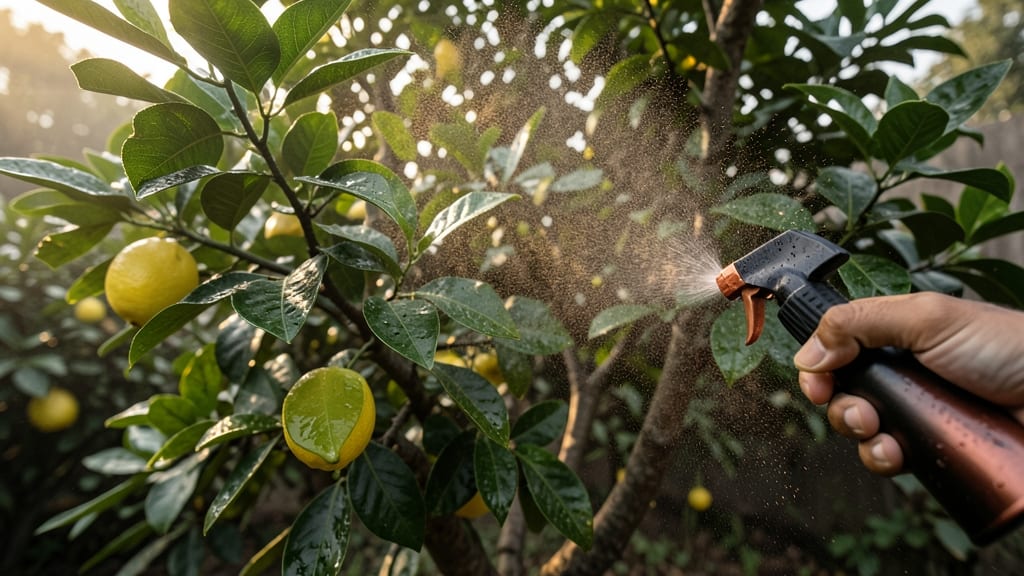
Seeing white fungus on your lemon tree can feel like a death sentence—but it’s often treatable with the right approach. These 10 proven fixes target the root causes of fungal growth while restoring your tree’s vitality, ensuring you can salvage your harvest before it’s too late.
Neem Oil Spray for Immediate Fungal Control
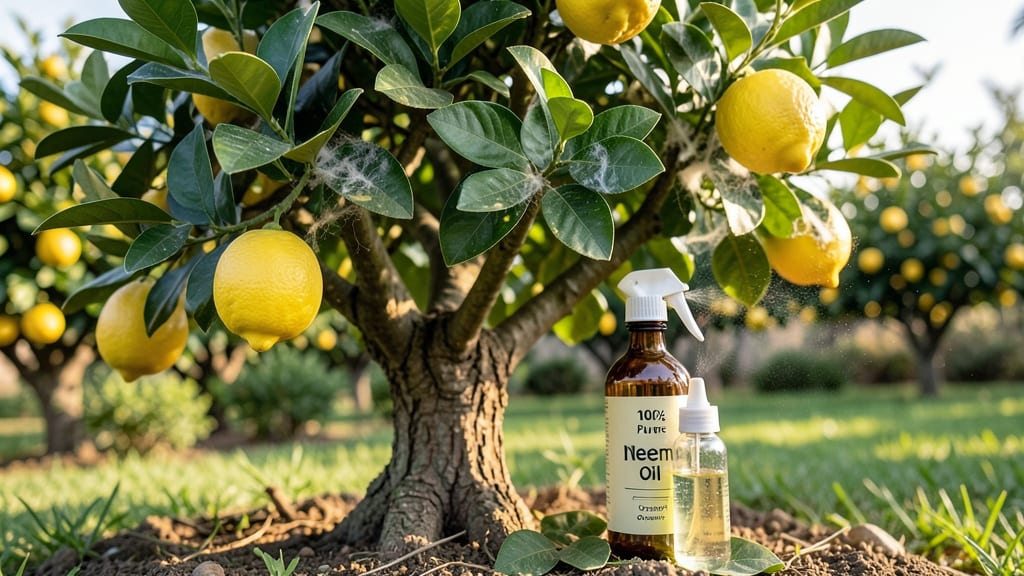
When white fungus creeps onto your lemon tree, your first instinct might be to reach for harsh chemicals—but neem oil offers a powerful, plant-safe alternative that works within days. This natural fungicide doesn’t just mask the problem; it actively disrupts fungal cell membranes while repelling pests like aphids, which often worsen fungal spread.
To use, mix 1 teaspoon of pure neem oil with 1 quart of water and a dash of mild soap (like Castile) to help it stick. Spray the solution thoroughly on both sides of leaves and the tree’s branches, focusing on white fungal patches. Repeat every 7–10 days until the fungus clears, and always apply in the early morning or evening to avoid burning leaves under direct sun. For best results, combine with pruning infected branches to stop the spread.
Organic growers and those with sensitive skin will love this solution—it’s non-toxic, biodegradable, and safe for edible plants once fully absorbed. Start with neem oil for fast, chemical-free control before the fungus takes hold. ✨
Baking Soda Solution for Mild White Fungus
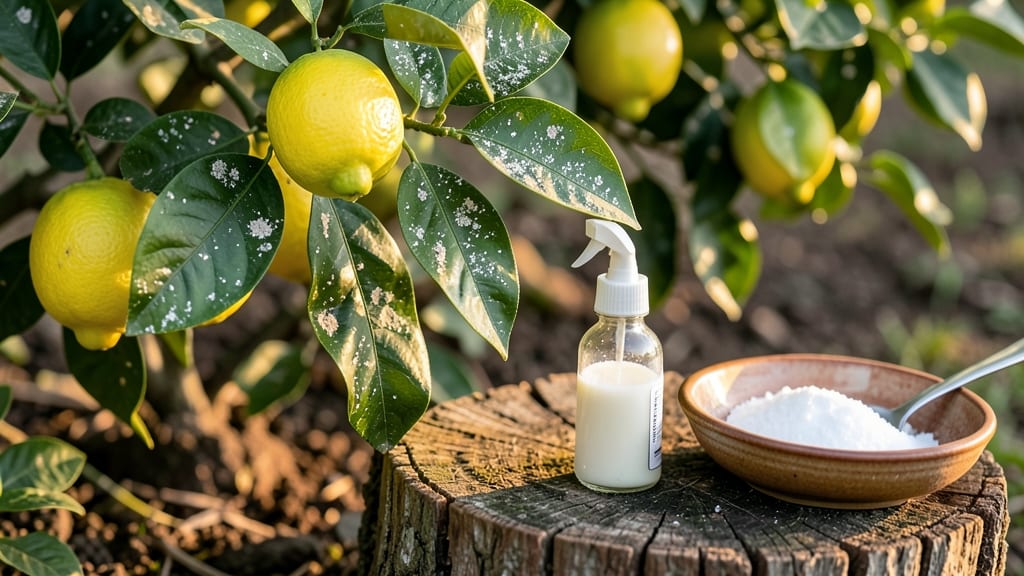
If you’ve spotted white fungal spots on your lemon tree but want to avoid harsh chemicals, a simple baking soda solution could be your secret weapon. This budget-friendly treatment isn’t just effective—it’s also safe for early-stage infections and won’t disrupt your garden’s ecosystem like commercial fungicides.
Mix 1 teaspoon of baking soda with 1 quart of water and a few drops of mild liquid soap (to help it stick). Spray the solution directly on the undersides of leaves—where fungus often hides—and repeat every 7–10 days until the white patches fade. The alkaline properties of baking soda disrupt fungal spores while balancing the tree’s natural pH, making it ideal for small-scale gardeners or those prioritizing organic methods.
This method shines for early detection and is especially helpful if your tree is in a shady or humid spot. While it won’t cure advanced infections, it’s a gentle first line of defense that keeps your lemon tree thriving. 🌱
Pruning Infected Branches to Prevent Spread
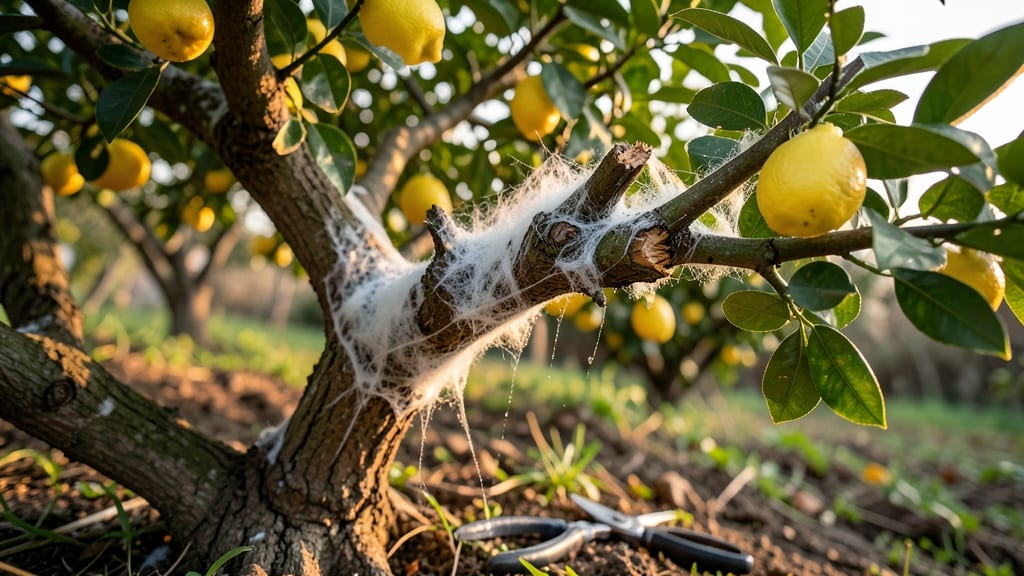
When white fungus spreads aggressively across your lemon tree, the last thing you want is to lose an entire branch—or worse, the whole tree. The key to saving a mature, high-yielding tree lies in surgical pruning of infected areas before the fungus colonizes healthy wood and leaves.
Use sterilized pruning shears to cut back to at least 6 inches below the visible white patches, removing all traces of infection. Dispose of pruned branches in sealed bags (not compost) to prevent spore spread. Time your cuts during dry, sunny weather to help wounds heal faster and reduce fungal entry points. This method is especially critical for trees already laden with fruit, where fungal stress can lead to premature drop.
Mature trees with high fruit yield potential benefit most from this approach, as it preserves the tree’s energy while eliminating the source of infection. For best results, combine pruning with a neem oil spray to protect exposed cuts. 💪
Copper Fungicide for Severe White Mold Outbreaks
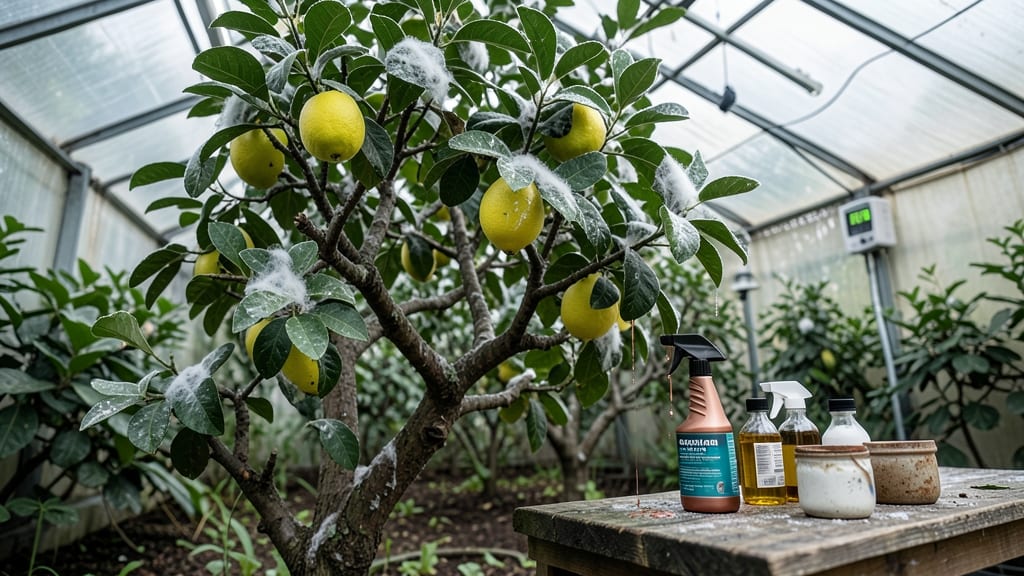
When white mold has taken over your lemon tree and milder treatments like neem oil or baking soda fail, it’s time to bring out the big guns. Copper fungicide is the go-to solution for severe outbreaks, especially in humid climates where fungal spores thrive year-round.
This heavy-duty fungicide works by disrupting fungal cell walls, stopping the spread of white mold and preventing recurrence. For best results, apply it every 7-14 days during outbreaks, focusing on both the leaves and branches. Commercial growers often use it as a preventative spray before high-risk seasons, while home gardeners can rely on it for persistent infections that refuse to clear. Always wear gloves and protective gear, as copper can be irritating to skin.
Perfect for those dealing with recurring fungal issues, copper fungicide offers a reliable, long-term solution when other methods fall short. It’s especially valuable for growers who prioritize fruit quality and tree health over quick fixes. 💪
Improving Air Circulation Around the Tree
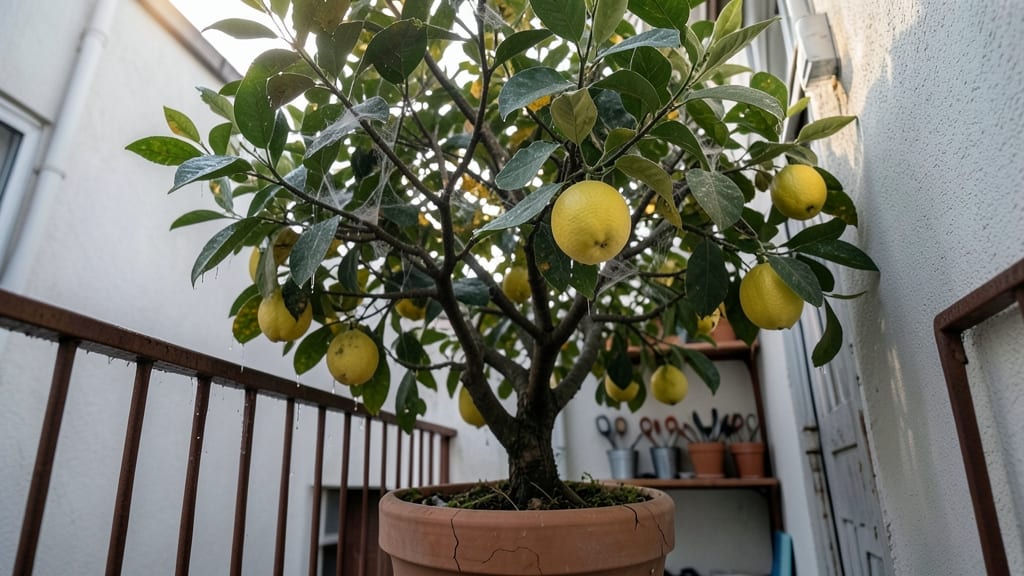
If your lemon tree keeps battling white fungus despite treatments, the issue might be stagnant air—not just the fungus itself. Fungal spores thrive in humid, enclosed spaces, and crowded foliage creates the perfect breeding ground. Urban gardeners with limited space often face this challenge, but a few simple adjustments can make a huge difference.
Start by thinning out dense branches to create gaps for airflow—aim for at least 6-12 inches of space between limbs. If your tree is in a pot, ensure it’s not crammed against other plants or walls. For container growers, consider elevating the pot slightly to improve airflow at the base. Even a small adjustment can reduce humidity pockets where spores love to settle.
This fix is especially valuable for urban gardeners or those with limited space, as it prevents recurrence without chemicals. Pair it with your existing treatments for a long-term fungal defense strategy. 🌿
Hydrogen Peroxide Soil Drench for Root Health
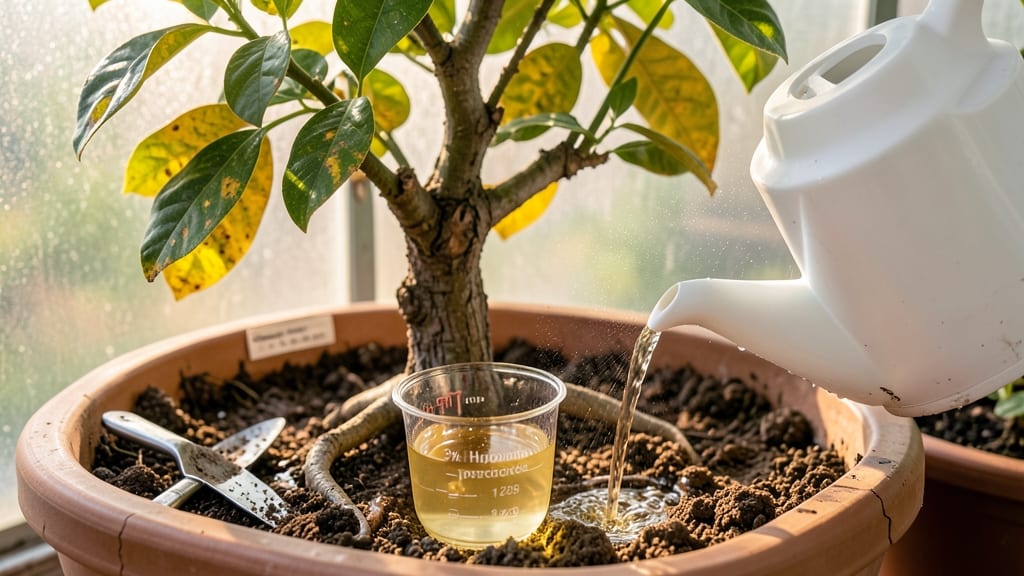
When your lemon tree shows signs of stress beyond just leaf spots—like stunted growth or yellowing leaves—hydrogen peroxide soil drenches work from the ground up to strengthen roots and crowd out fungal invaders.
Mix 1 tablespoon of 3% hydrogen peroxide per gallon of water and apply directly to the soil every 4-6 weeks during active growing seasons. This creates an oxygen-rich environment that roots crave, while the mild antiseptic properties inhibit fungal spores before they spread. It’s especially effective for trees in containers or compacted soil where roots struggle to breathe.
This method is ideal for gardeners dealing with chronic fungal issues or those who want to prevent future outbreaks by boosting overall root vitality. 🌱
Compost Tea Fertilizer for Immune System Boost
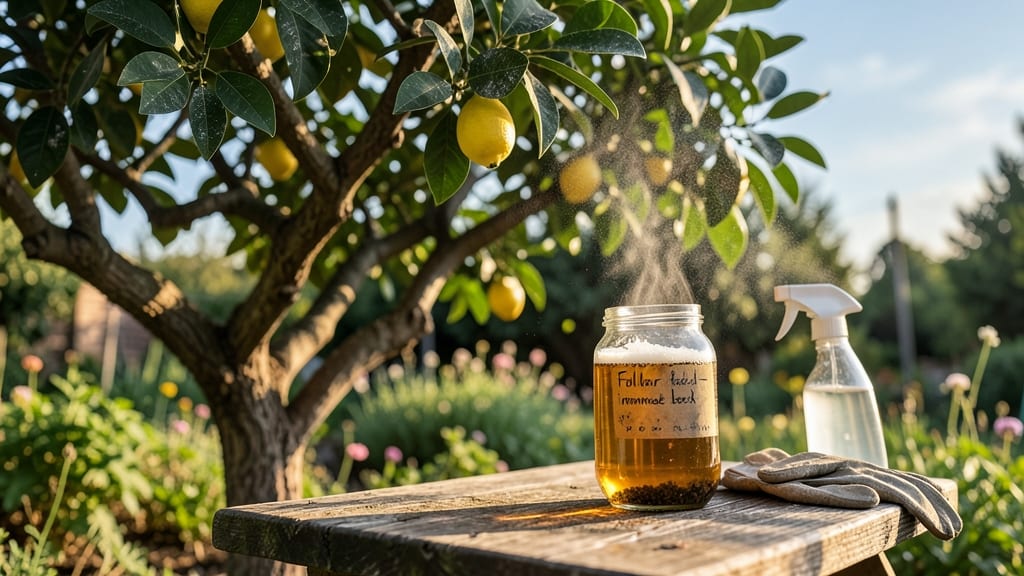
If your lemon tree keeps fighting off white fungus despite treatments, it might need more than just surface fixes—it needs a nutrient-rich immune boost. Compost tea isn’t just fertilizer; it’s a foliar drink packed with beneficial microbes and enzymes that fortify your tree’s natural defenses against future infections.
Made by steeping finished compost in water for 24-48 hours, this liquid gold delivers a balanced mix of nitrogen, phosphorus, and potassium while introducing mycorrhizal fungi and bacteria that outcompete pathogens. Spray it directly on leaves every 2-4 weeks during growing seasons, and pair it with your existing treatments for synergistic results. The key is consistency—think of it as a vitamin supplement for your tree’s immune system.
This method is ideal for organic growers who want to break the cycle of fungal infections without synthetic chemicals. While it won’t replace immediate treatments for severe outbreaks, compost tea builds long-term resilience, helping your lemon tree bounce back stronger. 🌱
Reflective Mulch to Reduce Fungal Spores
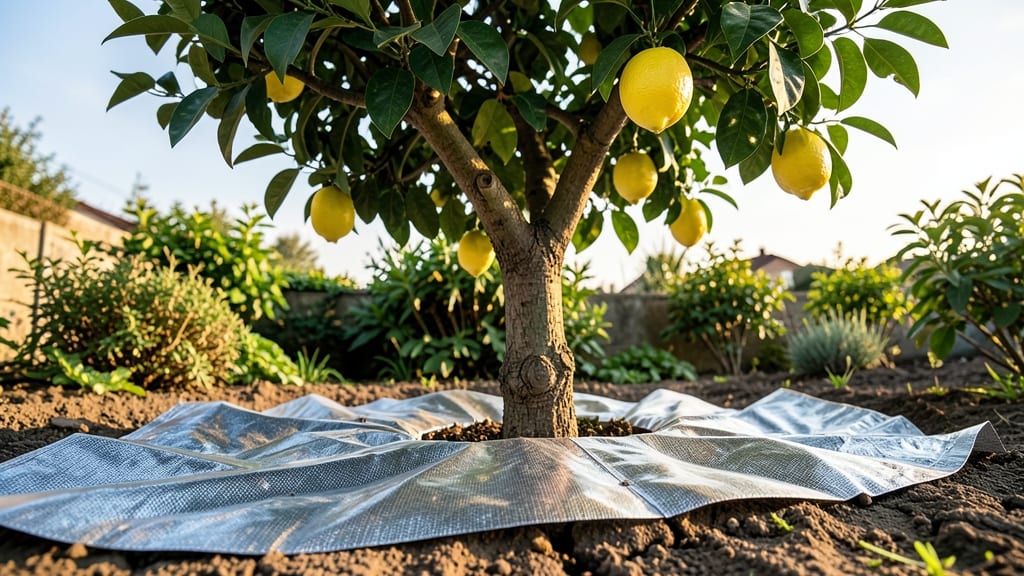
If your lemon tree keeps battling white fungus despite your best efforts, you might be missing a microclimate game-changer: reflective mulch. This isn’t just about covering soil—it’s about disrupting the perfect conditions fungi need to thrive by bouncing sunlight and reducing humidity at the base of your tree.
Lay silver or white reflective mulch (like landscape fabric or specialized mulch sheets) around your lemon tree’s drip line. The reflective surface increases air movement and lowers soil moisture, making it harder for fungal spores to germinate. For greenhouse growers or humid climates, this is a low-maintenance, chemical-free way to create an inhospitable environment for fungus while keeping roots cool. Reapply every 6–12 months as it degrades.
This method is especially valuable for those who’ve tried sprays but still see recurring issues—because it tackles the root cause (literally and figuratively) of fungal pressure. 💡
Biological Fungicides like *Trichoderma* Strains
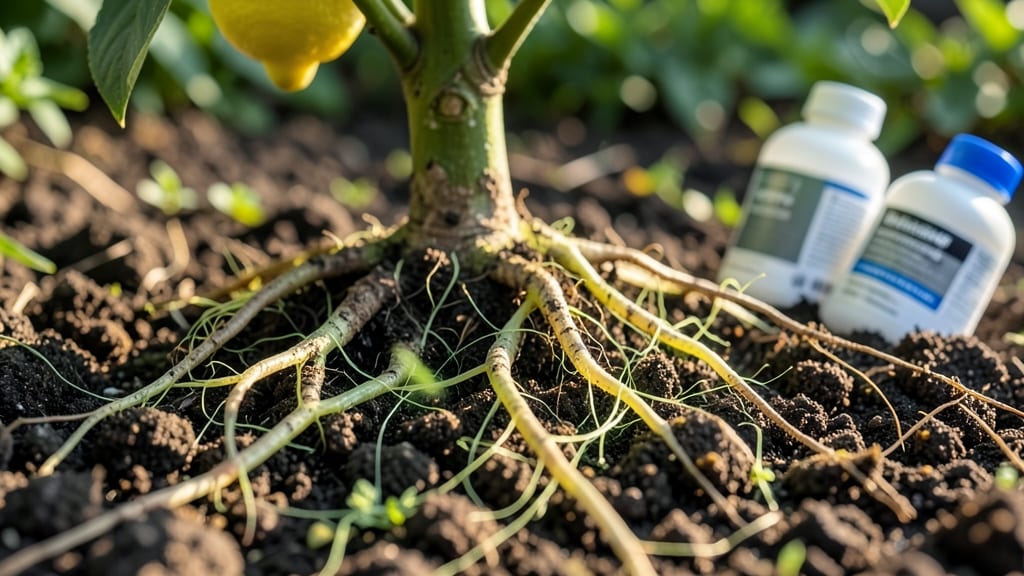
Tired of chemical fungicides that only mask the problem? Biological fungicides like Trichoderma strains offer a living cure—these microscopic allies outcompete harmful fungi while improving soil health. Unlike synthetic treatments, they don’t just kill fungi; they rebalance your soil’s microbiome, making your lemon tree stronger over time.
Apply Trichoderma as a soil drench or foliar spray, following package instructions (typically every 4-6 weeks during active growth). These beneficial microbes thrive in warm, moist conditions, so water lightly after application to help them establish. They’re especially effective against root rot and white mold by colonizing plant tissues and blocking fungal invasion.
Perfect for eco-conscious gardeners or those with long-term fungal struggles, Trichoderma treatments build resilience—meaning fewer outbreaks and healthier soil for years to come. 💚
Preventative Copper Spray Schedule for High-Risk Seasons

If you live in a humid climate, you already know fungal outbreaks strike fast—before you even spot the first white spot. A preventative copper spray schedule can stop fungal spores in their tracks by creating a protective shield on leaves, so you’re not playing catch-up during peak infection seasons.
Apply a copper fungicide spray (like copper sulfate or copper hydroxide) every 2-4 weeks starting in early spring and continuing through fall, focusing on the top and undersides of leaves. This timing aligns with high-risk fungal periods—before warm, damp conditions trigger outbreaks. For best results, spray early in the morning to allow the solution to dry before afternoon humidity sets in.
This method is ideal for commercial growers or anyone in tropical/subtropical regions where fungal pressure is relentless. By staying ahead of the problem, you’ll protect your lemon tree’s health and keep those juicy harvests coming year after year. ✨