
Container Gardens
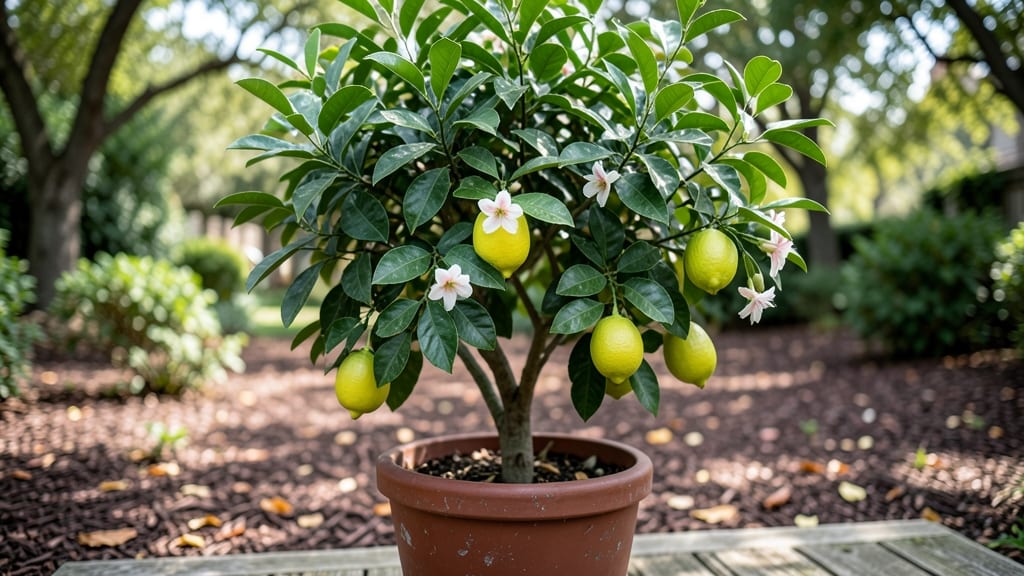
Growing a Meyer lemon tree in a pot means fresh citrus anytime, even on a tiny balcony. 🌱 I’ve watched mine go from a spindly sapling to a fruit-laden bush—all while taking up less space than a coffee table.
The secret isn’t just sunlight or water; it’s mastering the container’s quirks: drainage, root room, and winter warmth. Start with a 5-gallon pot (minimum) and well-draining soil—think 60% potting mix, 30% perlite, and 10% compost.
Your tree will thank you for the airy roots and the nutrients that keep leaves glossy and flowers fragrant. Place it where it gets 6-8 hours of sun daily, and you’ll see buds form by early spring.
By summer, you’ll be harvesting dozens of sweet, fragrant lemons—perfect for cocktails or baking. The key is consistency: water when the top inch of soil dries, fertilize monthly in growing season, and prune to keep the shape compact.
Winter’s the trickiest part, but a sunny windowsill and occasional misting keeps it thriving. This method works for apartments, patios, or even sunrooms—no yard needed. The only real challenge is patience (and maybe a few dropped lemons). Trust me, the first harvest makes it all worth it.
📚 In This Guide
- What you need
- Instructions
- Tips and common mistakes
- Wrapping up and next steps
What you need
- ● Container: A 5-gallon pot or larger (minimum 12–18 inches deep) with drainage holes. Opt for terracotta, ceramic, or high-quality plastic (avoid treated wood). Pro tip: 💡 Use a pot with feet to prevent root rot!
- ● Well-draining potting mix: A blend of 50% potting soil, 30% perlite or pumice, and 20% compost. Avoid garden soil—it compacts and holds too much moisture!
- ● Meyer lemon tree: A bare-root sapling (dormant season) or container-grown nursery plant (age 1–3 years). Look for healthy, disease-free specimens!
- ● Fertilizer: Slow-release citrus fertilizer (e.g., Dr. Earth or Espoma Citrus-Tone) for seasonal feeding.
- ● Balanced liquid fertilizer (e.g., 20-20-20) for monthly boosts during growing season (spring–fall).
- ● Mulch: Organic mulch (e.g., straw or bark chips) to retain moisture and regulate soil temp.
- ● Support: A small stake or trellis (for young trees) to prevent toppling as the tree grows.
- ● Self-watering pot or wicking system to automate hydration (great for busy plant parents!).
- ● Grow lights (LED or fluorescent) for supplemental light if your space is low-light.
- ● Soil moisture meter to track hydration levels without overwatering.
- ● Citrus-specific pest control: Neem oil or insecticidal soap for aphids or spider mites.
- ● Pot saucer or tray to catch runoff and collect nutrients for reuse.
Step-by-Step instructions for growing a Meyer lemon tree in a pot
Here's the method I've used to keep my Meyer lemon tree thriving in a pot for over five years—no greenhouse needed.
🌱 Step 1: Choose the Right Pot and Drainage System
Start with a pot at least 12 inches wide and deep—Meyer lemons need room for roots to spread. I use unglazed terra cotta because it breathes and prevents root rot, but plastic works too if you drill extra drainage holes. Place a 3-inch layer of coarse gravel or broken pottery at the bottom before adding soil. This ensures water drains freely without clogging.
Your pot must have drainage holes—waterlogged roots will kill your tree within weeks. I always test mine by filling with water and watching it drain completely within 10-15 minutes. If it pools, you need more drainage material or a different pot.
🌿 Step 2: Plant in Well-Draining Citrus Mix
Fill the pot with a mix of 50% potting soil, 30% perlite or coarse sand, and 20% compost. This combination prevents compaction while providing nutrients. I avoid garden soil—it compacts in pots and suffocates roots. Gently remove your lemon tree from its nursery container and loosen any circling roots with your fingers.
Place the tree in the pot so the top of the root ball sits 1 inch below the rim. Fill around the roots with your mix, pressing lightly to eliminate air pockets. Water thoroughly until it runs out the drainage holes—this helps settle the soil and removes any air gaps.
☀️ Step 3: Position for Maximum Sunlight
Meyer lemons crave 6-8 hours of direct sunlight daily. A south-facing window or balcony works, but most homes don't get enough light there. I supplement with a grow light for 14 hours daily in winter when natural light fades. Keep the pot within 12 inches of the light source—leggy growth means it's too far away.
Rotate the pot a quarter turn weekly so all sides get even light exposure. You'll notice leaves growing toward the light? That's your signal to adjust the pot's position immediately. In winter, move it to the warmest spot in your home—cold drafts stress the tree and drop leaves.
💧 Step 4: Water Deeply and Consistently
Water when the top 2 inches of soil feel dry. Stick your finger in—if it's damp, wait another day. I use room-temperature water to avoid shocking the roots, and I water deeply until it drains through the bottom. Empty the saucer afterward to prevent root rot. Overwatering is the #1 killer of potted citrus—yellow leaves or mushy stems mean you're watering too much.
In winter, reduce watering to every 10-14 days since growth slows. The tree stores water in its trunk, so it can handle brief dry spells. If the soil stays soggy for more than a day, your drainage isn't working—check those holes immediately.
✂️ Step 5: Prune and Fertilize for Year-Round Fruit
Prune in late winter or early spring to shape the tree and encourage fruit production. Cut back 1/3 of the new growth from the previous year, focusing on crossing branches or those growing inward. Sterilize your pruners with rubbing alcohol between cuts to prevent disease. I always prune just above a leaf node where new growth will sprout.
Feed every 4-6 weeks with a balanced citrus fertilizer (6-6-6 or similar). In fall, switch to a low-nitrogen, high-potassium fertilizer to support fruit development. Avoid fertilizing in winter—resting trees need a break. You'll see new leaves and buds forming within weeks of consistent feeding.
Tips & tricks for growing a thriving Meyer lemon tree in pots
Here's what I've learned after keeping my Meyer lemon tree happy for years—these little details make a huge difference in keeping your citrus plant productive and healthy.
Drainage is Non-Negotiable: That 3-inch layer of gravel in Step 1 isn't just about drainage—it's about creating an air pocket at the bottom of the pot. I've seen roots rot within weeks when people skip this step, even with drainage holes. Pro tip: If you're using a plastic pot, add an extra inch of gravel since plastic doesn't breathe like terra cotta. The 10-15 minute drainage test is your best friend—if water pools after that, you're either overfilling or need more drainage material.
Soil Mix Matters More Than You Think: The 50-30-20 ratio in Step 2 might seem arbitrary, but each component plays a crucial role. The perlite/sand prevents compaction while the compost provides nutrients. Here's what I do differently: I always sift my potting soil to remove any large clumps before mixing—those can create air pockets that roots can't penetrate. Also, if you're using coconut coir instead of peat moss (which is often more sustainable), increase the perlite to 35% to compensate for its slower drainage.
Light is the #1 Game-Changer: Those 6-8 hours of sunlight in Step 3 are non-negotiable, but here's the secret: Meyer lemons actually prefer bright, indirect light over harsh direct sun, especially in hot climates. I've noticed my tree produces more fruit when I place it near an east-facing window where it gets morning sun but avoids the intense afternoon rays. And about that grow light—if you're supplementing, position it so it's just above the tree's canopy, not shining down from above. The 14 hours in winter is perfect, but you can reduce to 12 hours once the days lengthen in spring.
Watering Wisdom That Saves Trees: The finger test in Step 4 is brilliant, but here's the follow-up: I check moisture at two different depths—right at the surface AND 2 inches down. If both are dry, water thoroughly. If only the surface is dry, wait another day. This prevents both overwatering and underwatering. Also, I've found that using a moisture meter (around $10) takes the guesswork out of it completely—just stick it in and go by the reading. And yes, always empty that saucer after watering, even if your pot has drainage holes.
Pro Tips for Growing Meyer Lemon Tree In A Pot
- Here's what I've learned after keeping my Meyer lemon tree happy for years—these little details make a huge difference in keeping your citrus plant productive and healthy.
- Drainage is Non-Negotiable: That 3-inch layer of gravel in Step 1 isn't just about drainage—it's about creating an air pocket at the bottom of the pot.
- Soil Mix Matters More Than You Think: The 50-30-20 ratio in Step 2 might seem arbitrary, but each component plays a crucial role.
Frequently asked questions
Got questions about growing your own sun-kissed Meyer lemon tree in a pot? You’re not alone—here are the answers to the most common curiosities from fellow citrus enthusiasts!
How big should the pot be for a Meyer lemon tree?
A Meyer lemon tree thrives in a pot at least 15–20 inches in diameter with drainage holes. For mature trees (5+ years), aim for 24–36 inches to accommodate root growth. Smaller pots restrict growth and fruit production—so think big for bigger harvests!
How long does it take for a Meyer lemon tree to bear fruit in a pot?
Patience is key! With ideal care (sunlight, water, and nutrients), a potted Meyer lemon tree may produce fruit in 2–4 years. Dwarf varieties can fruit sooner (1–2 years), while standard-sized trees take longer. Pro tip: Prune regularly to encourage fruiting branches!
How often should I water a potted Meyer lemon tree?
Water when the top 1–2 inches of soil are dry—typically every 5–7 days in summer or every 10–14 days in winter. Overwatering is risky (roots rot easily!), so check moisture levels with your finger. Bonus: Use a moisture meter for precision!
Can I grow a Meyer lemon tree indoors year-round?
Yes! Place your tree near a south- or west-facing window for 6–8 hours of sunlight daily. Supplement with a grow light (12–14 hours/day) if natural light is lacking. Keep humidity up (mist leaves or use a pebble tray) to mimic outdoor conditions. Winter warning: Avoid drafts!
Why are my Meyer lemon leaves turning yellow?
Yellow leaves often signal overwatering, nutrient deficiency, or pests. Check for:
- Root rot: Ensure proper drainage and reduce watering.
- Nitrogen deficiency: Feed with a citrus-specific fertilizer every 2–3 months.
- Pests (spider mites, scale): Wipe leaves with neem oil or insecticidal soap.
Do Meyer lemon trees need winter care in pots?
Protect your tree from temperatures below 40°F (4°C). Move pots indoors (near a sunny window) or wrap the container in bubble wrap for insulation. Reduce watering in winter—soil stays moist longer. Fun fact: Some trees bloom in winter for early spring fruit!
Wrapping up and next steps
Growing a Meyer lemon tree in a pot is a rewarding journey that brings fresh, fragrant citrus to your doorstep—no yard required! With the right container, sunlight, and care, you’ll enjoy homegrown lemons in just a few years. 🌿✨
Now that you’re armed with tips on pot selection, common challenges, and daily upkeep, it’s time to roll up your sleeves and get planting!
Start with a healthy sapling or seed, and soon you’ll be harvesting lemons for homemade lemonade, pies, or gifts for friends. Happy growing—your future citrus harvest awaits!
🌱 Next Steps:
- Pick your pot and soil (see our guide).
- Plant your tree and water it well—then watch it thrive!
- Share your progress with us @YourGardenCommunity!