
Pruning
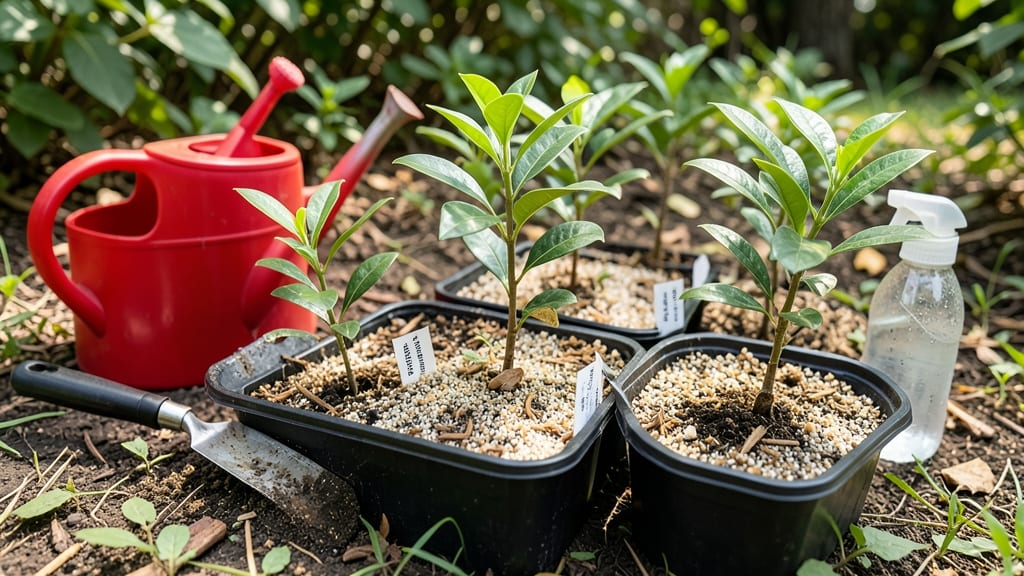
Tea tree seedlings transform bare spots into lush, fragrant privacy screens—if you plant them right. 🌿 I’ve grown mine from seed to 10-foot hedges, and the key to success starts before the first shovel hits the soil.
Cold-hardy varieties like Melaleuca alternifolia or Leptospermum thrive even in Zone 5, but only when you match their needs: well-draining soil, full sun, and patience for slow but steady growth.
You’ll need just three essentials: a sunny spot with 6+ hours of light, a mix of sand and native soil (never clay), and a watering can with a fine rose. The biggest mistake?
Overwatering—these seedlings hate soggy roots. Instead, water deeply once a week in dry climates, then let the top inch dry between waterings. Mulch with pine needles to lock in moisture without smothering the roots.
By year two, your seedlings will shoot up 12–18 inches with glossy leaves that repel pests naturally. The real magic happens in years three to five, when they fill in to create a dense, wind-resistant hedge.
No more peeking over fences—just year-round greenery that smells like eucalyptus on a summer breeze.
Whether you’re starting in containers for small yards or direct-sowing for larger privacy screens, the same rules apply. Cold snaps? Wrap young plants in burlap. Too much shade? Move them closer to the sun. With these basics, your tea trees will outlast cheap plastic screens—and look better doing it.
📚 In This Guide
- What you need
- Instructions
- Tips and common mistakes
- Wrapping up and next steps
What you need
- ● Tea tree seedlings – 3-5 healthy, cold-hardy varieties (e.g., Leptospermum scoparium or Melaleuca alternifolia), depending on desired hedge width.
- ● Well-draining potting mix – 5-10 gallons, enriched with perlite or sand for aeration.
- ● Garden soil – 1-2 cubic yards (for in-ground planting) with a pH of 5.5-6.5.
- ● Organic compost – 1-2 bags (to boost soil fertility).
- ● Slow-release fertilizer – 10-20 lbs (10-10-10 NPK ratio for balanced growth).
- ● Mulch – 2-3 cubic feet (pine bark or wood chips to retain moisture).
- ● Watering can or hose – With a gentle spray nozzle for seedlings.
- ● Pruning shears – Sharp, sterilized shears (for shaping and maintenance).
- ● Gloves and long sleeves – To protect against thorns and sap.
- ● Plant stakes or trellis – For support during early growth.
- ● Epsom salt – 1 lb (magnesium boost for vibrant foliage).
- ● Drip irrigation system – For consistent moisture in larger plantings.
- ● Frost cloth – If planting in early spring or late fall.
Step-by-Step instructions for growing cold-hardy tea tree seedlings
Here’s how I’ve successfully nurtured hardy tea tree seedlings that thrive even in cooler climates.
🌱 Step 1: Collect and Prepare Seeds for Germination
Tea tree seeds need a warm, moist environment to break dormancy. I gather fresh seeds from mature tea trees in late summer or early fall—they germinate best when harvested at peak ripeness. Soak the seeds in lukewarm water for 24 hours to soften the hard outer shell, which speeds up germination. Drain and rinse them afterward to prevent rot.
Place the soaked seeds between two damp paper towels in a sealed plastic bag. Store them in a warm spot, like on top of the fridge, where the temperature stays around 70-75°F. Check them daily—they’re ready to plant when you see the first signs of a tiny white root emerging, usually within 7-14 days. This step is critical because dry seeds can take months to sprout, if at all.
🪴 Step 2: Plant Seedlings in Well-Draining Soil
Fill small pots—3-4 inches deep—with a mix of 50% potting soil and 50% perlite or coarse sand to ensure excellent drainage. Tea trees hate soggy roots, so I always add a handful of perlite to the mix. Plant each seedling about ½ inch deep, gently pressing the soil around it to secure it without compacting.
Place the pots in a sunny spot, like a south-facing windowsill, where they’ll get at least 4-6 hours of sunlight daily. Keep the soil consistently moist but never waterlogged. You’ll know it’s right when the top inch feels damp to the touch. Overwatering at this stage can cause damping-off, a fungal disease that kills seedlings overnight.
☀️ Step 3: Harden Off Seedlings Before Transplanting
Once seedlings have 3-4 sets of true leaves—about 8-12 weeks after planting—it’s time to harden them off. Start by moving them outdoors to a shaded, sheltered spot for 1-2 hours the first day. Gradually increase their time outside over 7-10 days, exposing them to more sunlight and wind each day.
This process teaches the seedlings to adapt to outdoor conditions without shock. By the end of the week, they should be able to handle full sun for 6+ hours daily. I always transplant on a cloudy day to reduce stress, and I water them deeply right after to help them settle into their new home.
🌿 Step 4: Transplant and Provide Ongoing Care
Choose a location with well-draining soil and full sun—tea trees thrive in USDA zones 7-10 but can tolerate cooler climates with proper care. Dig a hole twice as wide as the root ball but only as deep as the pot. Gently remove the seedling, loosen the roots if they’re circling, and place it in the hole, backfilling with soil.
Water deeply after planting to remove air pockets and encourage root growth. Mulch around the base with 2-3 inches of organic mulch, like wood chips, to retain moisture and regulate soil temperature. Tea trees are drought-tolerant once established, but young seedlings need consistent moisture. Water 1-2 times per week during dry spells, adjusting based on rainfall.
✂️ Step 5: Prune and Maintain for Healthy Growth
Prune tea trees lightly in early spring to shape them and encourage bushier growth. I remove any dead, diseased, or crossing branches with clean, sharp shears. For privacy screens, I trim the top growth to promote denser foliage. Always prune just above a leaf node or bud to encourage new growth.
Fertilize young tea trees in early spring with a balanced, slow-release fertilizer to support steady growth. Avoid over-fertilizing, as this can lead to weak, leggy growth. Watch for pests like spider mites or aphids—if you spot them, treat with neem oil or insecticidal soap. With proper care, your tea tree seedlings will grow into sturdy, cold-hardy plants perfect for year-round privacy.
Tips & tricks for perfect tea tree seedlings
Growing cold-hardy tea tree seedlings isn't rocket science, but these little details make all the difference between thriving plants and sad, struggling sprouts.
Germination Temperature: That 70-75°F range is crucial for breaking dormancy in Step 1. I use a small heating pad under the sealed bag if my fridge top isn't warm enough—consistent warmth speeds up germination from 7-14 days to as little as 5-7 days. Just don't let it get above 80°F, or you risk mold instead of roots.
Soil Mix Secret: When mixing your 50% potting soil and 50% perlite/sand in Step 2, I sift the perlite first to remove any fine particles. Tea trees despise compacted soil, so fluff the mix well before planting—think "light as a cloud" texture. You can even add a handful of orchid bark chips for extra aeration if you're feeling fancy.
Lighting Troubleshooting: If your seedlings in Step 2 look leggy despite 4-6 hours of sunlight, they're stretching toward light. Move them closer to the window or supplement with a grow light 6 inches above for 12 hours daily. South-facing windows work best, but west-facing windows can work too if you rotate pots daily to prevent uneven growth.
Transplanting Timing: The 8-12 week window for hardening off in Step 3 is flexible—watch for 3-4 sets of true leaves, not the calendar. If your seedlings are smaller but have the right leaves, don't wait. Cold-hardy varieties actually benefit from a little chill exposure during hardening to build resilience.
Pro Tips for Tea Tree Seedlings
- Growing cold-hardy tea tree seedlings isn't rocket science, but these little details make all the difference between thriving plants and sad, struggling sprouts.
- Germination Temperature: That 70-75°F range is crucial for breaking dormancy in Step 1.
- Soil Mix Secret: When mixing your 50% potting soil and 50% perlite/sand in Step 2, I sift the perlite first to remove any fine particles.
Frequently asked questions
Got questions about growing tea tree seedlings? You’re not alone! Here are some of the most common concerns—and their straightforward answers—to help you get started with confidence.
How long does it take for tea tree seedlings to grow into a privacy screen?
Tea tree seedlings typically grow 12–24 inches per year under ideal conditions. To create a solid privacy screen (8–10 feet tall), expect 3–5 years of consistent growth. Planting in clusters or closer spacing (3–5 feet apart) speeds up the process by filling gaps faster.
Are tea tree seedlings cold-hardy enough for my climate?
Most tea tree varieties (like Melaleuca alternifolia) thrive in USDA Zones 8–11. For colder climates (Zones 7–8), opt for Melaleuca quinquenervia or Melaleuca armillaris, which tolerate brief dips to 15–20°F. Mulch heavily in winter and avoid planting in frost pockets for best results.
How often should I water tea tree seedlings, and what’s too much?
Water seedlings 2–3 times per week for the first year, keeping soil moist but not soggy. Once established, they’re drought-tolerant but may need occasional deep watering during dry spells. Overwatering risks root rot—ensure pots or soil have good drainage (gravel or sand mixes help!).
Can I grow tea tree seedlings from cuttings instead of buying them?
Yes! Take 4–6 inch cuttings from healthy, non-flowering branches in spring/summer. Dip in rooting hormone, plant in perlite/sand mix, and cover with a plastic bag to retain humidity. Roots form in 4–8 weeks. This method is cost-effective but may take longer than nursery seedlings.
What pests or diseases should I watch for in young tea tree seedlings?
Common issues include aphids, scale insects, and fungal leaf spot. Treat aphids with soapy water; prune infected leaves for fungal issues. Root rot is a risk if soil stays waterlogged—improve drainage immediately. Healthy seedlings with good airflow resist pests better.
Wrapping up and next steps
Growing tea tree seedlings is a rewarding way to create a lush, cold-hardy privacy screen that thrives year-round! 🌿 Whether you’re a beginner or a seasoned gardener, these versatile plants offer beauty, resilience, and low maintenance—perfect for any landscape.
With the right variety, soil, and care, you’ll enjoy their aromatic leaves and dense growth for decades.
Ready to get started? Pick your seedlings, prep your soil, and plant with confidence! For extra success, consider joining local gardening groups or consulting your county extension office for tailored advice. Happy planting—your future privacy oasis awaits! 🌳✨