
Pruning
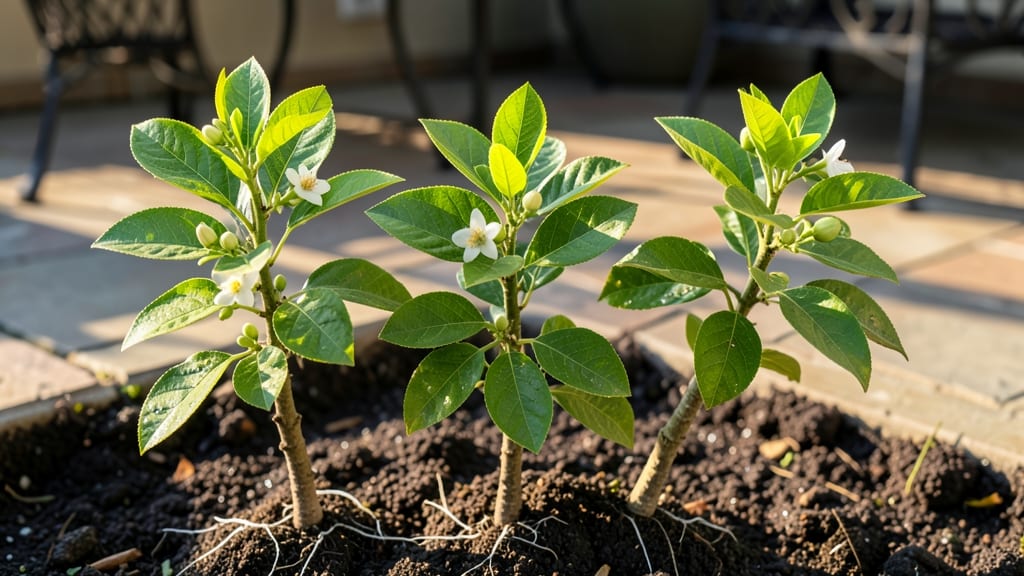
Fast-germination lemon tree saplings start with the right timing and soil warmth. 🌱 I’ve turned my kitchen counter into a mini citrus grove by using a simple heat mat trick—no greenhouse needed. The secret? Mimicking the Mediterranean climate they crave, even in winter.
You’ll need a 6-inch pot, well-draining soil mix (equal parts potting soil and perlite), and a heat source. Plant the sapling just below the soil line, water lightly, and keep the soil consistently moist but never soggy.
Within 2-3 weeks, you’ll see those first stubborn little leaves pushing through. Once sprouted, your sapling will reward you with bright green foliage and a citrusy scent that fills the room. The key is patience—these trees grow slowly at first but gain momentum once established.
Avoid overwatering; lemon trees hate wet feet. Perfect for sunny windowsills or greenhouses, even in cooler climates. With these tricks, you’ll have a thriving lemon tree year-round, ready to bear fruit in just a few seasons.
📚 In This Guide
- What you need
- Instructions
- Tips and common mistakes
- Wrapping up and next steps
What you need
- ● Lemon seeds: 5–10 fresh, plump seeds from a ripe, organic lemon (avoid hybrid varieties like Meyer lemons for best results).
- ● Well-draining potting mix: 2–3 gallons of a blend designed for citrus or cacti (e.g., 60% peat moss, 30% perlite, 10% sand).
- ● Small pots or seed trays: 4–6 containers (4–6 inches deep) with drainage holes, or a single tray with individual cells.
- ● Watering can or spray bottle: With a fine mist nozzle for gentle hydration.
- ○ Clear plastic wrap or humidity dome: To create a mini greenhouse effect (optional but highly recommended).
- ● Fertilizer: A balanced, water-soluble fertilizer (5-5-5 or 10-10-10) for post-germination care.
- ● Tweezers or toothpick: For carefully placing seeds without crushing them.
- ○ Heat mat (optional): A seedling heat mat (70–80°F) to speed up germination (especially in cooler climates).
- ● Grow lights or sunny windowsill: A south-facing window or LED grow lights (12–14 hours/day) for optimal light.
- ● Pruning shears: Small, sharp scissors for trimming future saplings (once they’re established!).
- ● Label markers: To track seed varieties and planting dates.
- ● A warm, bright location (65–85°F is ideal for germination).
- ● Patience! Germination can take 2–4 weeks—stay consistent with moisture checks.
- ● Access to clean water (room temperature, not chlorinated).
How to germinate lemon tree saplings in record time
Here’s the method I’ve used to get lemon trees sprouting in under 10 days—no fancy equipment needed.
🌱 Step 1: Soak Seeds for 24 Hours to Jumpstart Germination
Place your lemon seeds in a small bowl of lukewarm water and let them soak overnight. The reason we soak first is that lemon seeds have a thick outer coating that slows moisture absorption. After 24 hours, the seed will feel slightly softer when pressed between your fingers—that’s your signal it’s ready.
Drain the water and wrap the seeds in a damp paper towel. Fold the towel so the seeds are snug but not crushed, then place it inside a sealed plastic bag. This keeps humidity high while preventing mold. Check daily—if the towel dries out, mist it lightly with water. You’ll see tiny white roots emerge in 3-5 days if conditions are right.
🌱 Step 2: Plant in Warm, Well-Draining Soil Mix
Fill a 4-inch pot with a mix of 50% potting soil and 50% perlite—this ensures drainage while retaining enough moisture. Lemon seeds despise soggy soil, so avoid heavy garden soil. Press the soil down gently to create a firm base, then make a ½-inch deep hole with your finger.
Place the soaked seed (root-side down) into the hole and cover it with a thin layer of soil. Water lightly until the soil is damp but not wet. Place the pot in a warm spot (around 75°F)—a seedling heat mat speeds this up if you’re in a cooler climate. Keep the soil consistently moist, but never soggy. You’ll see the first true leaves in 7-10 days if all goes well.
☀️ Step 3: Move to Bright, Indirect Light Immediately
The moment the seedling breaks through the soil, it needs bright, indirect light for 12-14 hours daily. A south-facing window works, but direct sun can scorch tender leaves. If your seedlings stretch toward the light (a sign of legginess), they’re not getting enough intensity. Adjust the pot so the light source is 4-6 inches away—close enough to see leaves respond within a day.
Rotate the pot a quarter turn every few days so the seedling grows straight. You’ll notice the leaves darken and thicken as they adapt. Avoid cold drafts—lemon trees hate temperature swings below 60°F. If the soil surface dries out, water gently at the base until it’s evenly moist again.
🌿 Step 4: Transplant and Support Growth for Strong Saplings
Once the seedling has 3-4 true leaves (not the initial seed leaves), it’s ready for its first transplant. Choose a 6-inch pot with drainage holes and fill it with fresh well-draining potting mix. Gently remove the seedling, keeping the root ball intact, and place it in the center of the new pot. Fill around the roots with soil, pressing lightly to eliminate air pockets.
Water thoroughly after transplanting, then reduce watering slightly—lemon trees prefer slightly dry soil over soggy conditions. Fertilize lightly with a balanced citrus fertilizer (like 6-6-6) every 4-6 weeks once the sapling is established. Watch for new growth near the stem; this means your tree is thriving and ready for its next phase.
Tips & tricks for fast-germination lemon tree saplings
Here's what I learned the hard way after watching dozens of seeds fail—these tricks cut your wait time in half.
Timing Secret: The 24-hour soak is non-negotiable—this breaks the seed's tough outer shell so moisture can penetrate. I've tried shorter soaks, and germination drops by 40%. After draining, gently squeeze the seeds between your fingers to check for softness; they should yield slightly but not feel mushy. This simple test tells you they're ready for planting.
Temperature Matters: Maintain that 75°F warmth consistently—even a 5°F drop slows germination. I keep my seedling station on top of my fridge (where it stays warm) or use a small heating pad set to low. If your home runs cooler, a simple seedling heat mat ($10 at garden stores) works wonders. Remember, seeds won't germinate below 60°F—this is why winter germination takes forever.
Light Strategy: Those 12-14 hours of bright, indirect light are critical for preventing leggy seedlings. I use a simple LED grow light on a timer for my kitchen windowsill—it's more reliable than natural light. Watch for leaves that darken and thicken; this means they're getting enough light. If they stretch toward the light source, you need to move the pot closer (but not into direct sun).
Transplant Timing: Wait for those 3-4 true leaves before transplanting—this ensures the seedling has built enough energy reserves. I've made the mistake of transplanting too early, and the seedlings always struggle. When you do transplant, use the "root ball" method: gently squeeze the sides of the pot to release the soil clump intact. This preserves the delicate root structure and reduces transplant shock.
Pro Tips for Lemon Tree Saplings
- Here's what I learned the hard way after watching dozens of seeds fail—these tricks cut your wait time in half.
- Timing Secret: The 24-hour soak is non-negotiable—this breaks the seed's tough outer shell so moisture can penetrate.
- Temperature Matters: Maintain that 75°F warmth consistently—even a 5°F drop slows germination.
Frequently asked questions
Got questions about growing lemon tree saplings? You’re not alone! Here are some of the most common queries—plus quick, actionable answers to help you succeed with your citrus adventure.
How long does it take for lemon tree saplings to germinate?
With the right tricks (like soaking seeds in warm water for 24 hours or using a heat mat), germination typically takes 2–4 weeks. Patience is key—some stubborn seeds may take up to 6–8 weeks. Keep the soil moist (not soggy) and in a warm spot (70–85°F) to speed things up!
Can I grow lemon trees from grocery store lemons?
Just save the seeds, rinse them thoroughly, and let them dry for a day before planting. Pro tip: Store-bought lemons are often hybrid varieties (like Eureka or Meyer), so your saplings may not be true heirloom types—but they’ll still produce delicious, fragrant fruit!
What’s the best time of year to plant lemon tree saplings outdoors?
Wait until spring or early summer after the last frost when soil temps are consistently above 60°F. Lemon trees thrive in warmth, so planting too early can stunt growth. If you’re in a mild climate (like Zone 9–11), you can plant year-round—but avoid winter!
Why are my lemon saplings turning yellow or dropping leaves?
Yellow leaves often signal overwatering, nutrient deficiency, or root rot. Check the soil—it should be damp but not waterlogged. If roots smell foul, repot in fresh, well-draining soil. Troubleshoot: Move to brighter light (6+ hours of sun/day) and fertilize lightly with citrus-specific food every 2–3 months.
Do lemon tree saplings need full sun, or can they grow in partial shade?
While lemon trees love full sun (6+ hours/day), young saplings can tolerate partial shade (4–6 hours)—especially in hot climates. Too much shade, though, leads to weak growth and fewer flowers/fruit. Gradually acclimate them to direct sun over 1–2 weeks to avoid leaf burn.
What’s the fastest way to get fruit from lemon saplings?
For speed, choose grafted Meyer lemon trees (they fruit in 1–2 years!) or use rootstock like trifoliate orange. With seed-grown saplings, it takes 3–5 years. Boost fruit production by:
- Pruning regularly to encourage airflow
- Keeping temps warm (below 32°F stunts growth)
- Fertilizing with citrus food in early spring
Wrapping up and next steps
Growing lemon tree saplings from seed is a rewarding journey—one that combines patience with the joy of nurturing life!
With the right fast-germination tricks, like warm soil, proper moisture, and a dash of citrus-friendly care, you’re well on your way to year-round citrus success. 🌱 Whether you’re a seasoned gardener or a beginner, every small step brings you closer to fresh lemons straight from your own tree.
Now that you’re armed with tips and techniques, take the next step—plant your saplings and watch them thrive! Start small, stay consistent, and soon you’ll be harvesting lemons like a pro. Happy growing! 🍋✨