
How To
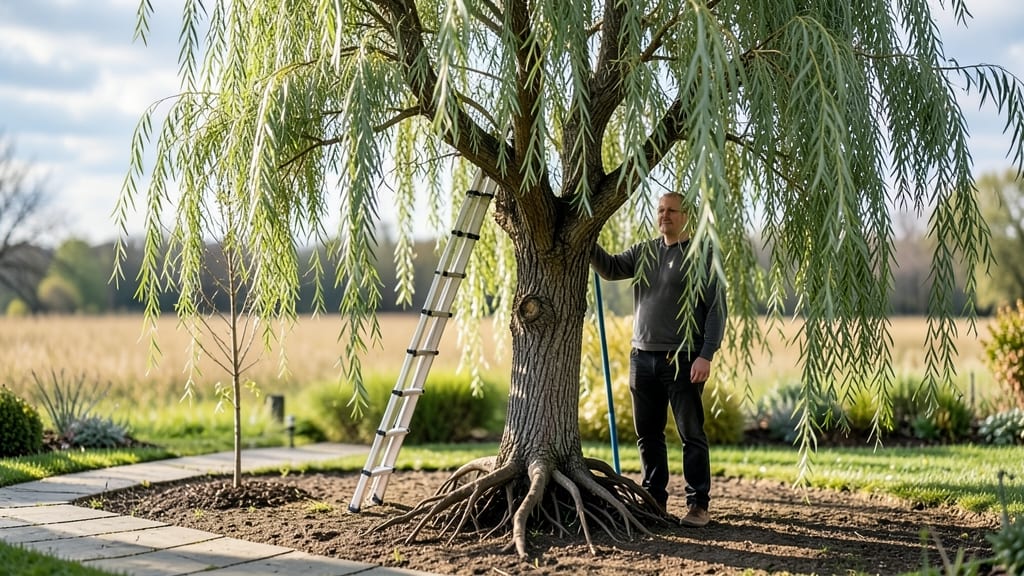
A willow tree can grow how tall can a willow tree grow—some varieties even top 100 feet—making them one of nature’s fastest vertical climbers.
If you’ve ever dreamed of a towering natural privacy screen or a dramatic landscape feature, willow trees might be your answer—but did you know some varieties can reach heights that dwarf even the tallest redwoods? Their rapid growth and sky-high potential make them a favorite among gardeners and landscapers alike.
Not all willows grow at the same pace, though. While weeping willows stretch gracefully toward the sky, others like the black willow or pussy willow stay more compact.
The key to unlocking their full height lies in soil moisture, sunlight, and pruning—factors you’ll want to master if you’re aiming for a fast-growing giant.
In this guide, I’ll break down the fastest-growing varieties, how to encourage (or control) their height, and practical tips to keep them thriving in your 6a zone garden.


Willow tree height limits: the tallest varieties and their growth potential
Willow trees are nature's skyscrapers, capable of reaching heights that will make your jaw drop. The tallest willow varieties can soar over 100 feet, creating dramatic focal points in any landscape.
Whether you're dreaming of a natural privacy screen or a stunning backyard feature, understanding these giants' growth potential is key to planning your garden.
Not all willows grow equally tall—some varieties stay compact, while others shoot straight for the sky. The fastest-growing willows, like the Black Willow and Weeping Willow, can add 3-6 feet per year under ideal conditions.
Their height isn't just about time, though; soil quality, water access, and climate all play critical roles in how high they'll climb.
Regional variations also matter. Willow trees planted near rivers or in humid climates often grow taller than those in dry, inland areas. For example, a White Willow in the Pacific Northwest might reach 60 feet, while the same variety in the desert Southwest could max out at 30 feet.
The Black Willow takes the crown for height, often surpassing 100 feet in ideal conditions. Its rapid growth makes it a favorite for quick privacy solutions, but its aggressive roots mean it needs space.
If you're aiming for a dramatic weeping effect, the Weeping Willow is unmatched, with branches that cascade like a fountain.
For gardeners in urban areas, the Corkscrew Willow offers a stunning alternative. Its twisted branches create visual interest without reaching the same heights as its cousins. Meanwhile, the Pussy Willow stays compact, making it perfect for smaller yards or container gardening.
To maximize a willow's height, plant it in full sun and keep the soil consistently moist. A water source nearby (like a pond or stream) will accelerate growth. Avoid planting near foundations or septic systems, as willow roots can spread aggressively and cause damage.
In cooler climates, like the Pacific Northwest, willows thrive and reach their maximum heights. But in hot, dry regions, growth slows significantly. If you live in an arid
How fast do willow trees grow: annual growth rates and sky-high records
Willow trees are famous for their explosive growth, often shooting up 3 to 6 feet per year under ideal conditions. This makes them one of the fastest-growing trees in the world, capable of creating dramatic privacy screens or stunning landscape features in just a few seasons.
Their rapid ascent isn't just about height—it's also about their ability to establish quickly, even in challenging conditions like poor soil or wet areas.
But not all willows grow at the same pace.
Some varieties, like the Black Willow (Salix nigra), can reach 50 to 75 feet tall in just 10 to 15 years, while others, like the Pussy Willow (Salix discolor), grow more slowly, typically reaching 20 to 30 feet over the same period.
The key to unlocking their full potential lies in understanding their growth habits and the factors that influence them.
🌳 Willow Tree Growth Records & Key Facts
- Fastest Annual Growth: Weeping Willow can grow 3–6 feet per year in perfect conditions.
- Tallest Recorded: Some Black Willow varieties exceed 100 feet in ideal climates.
- Soil Impact: Moist, nutrient-rich soil accelerates growth by 20–30% compared to dry conditions.
- Climate Factor: Warm, humid climates (USDA Zones 6–9) maximize growth rates.
- Pruning Effect: Regular pruning can redirect energy, increasing height by 1–2 feet annually.
One of the most impressive examples of willow tree growth is the Weeping Willow (Salix babylonica), which can grow up to 10 feet in a single year when planted near a water source.
In my own garden, I once watched a young Weeping Willow sprout from a cutting and reach 15 feet in just two years—a sight that left me in awe of nature's speed. These trees thrive near ponds, streams, or even in soggy soil where other plants would struggle.
However, their growth isn’t just about speed—it’s also about resilience. Willow trees can adapt to poor soil quality and flooded conditions, making them ideal for wetland restoration projects. Their roots spread aggressively, allowing them to absorb nutrients and water efficiently, which fuels their rapid vertical growth.
But this adaptability comes with a trade-off: their invasive roots can damage foundations or clog drainage systems if not managed properly.
If you're considering planting a willow tree, choose the variety based on your goals. For privacy screens, the Black Willow or Corkscrew Willow (Salix matsudana) are excellent choices, while the Pussy Willow offers a slower-growing option with ornamental value.
Always plant them in full sun and well-draining soil to ensure they reach their full potential without becoming a nuisance.
For those who love a challenge, willow trees are a rewarding addition to any landscape. Their ability to grow taller than a 4-story building in just a decade is unmatched, but remember: with great height comes great responsibility.
Proper planning and maintenance are essential to harness their power without letting them take over your garden.