
Flowers
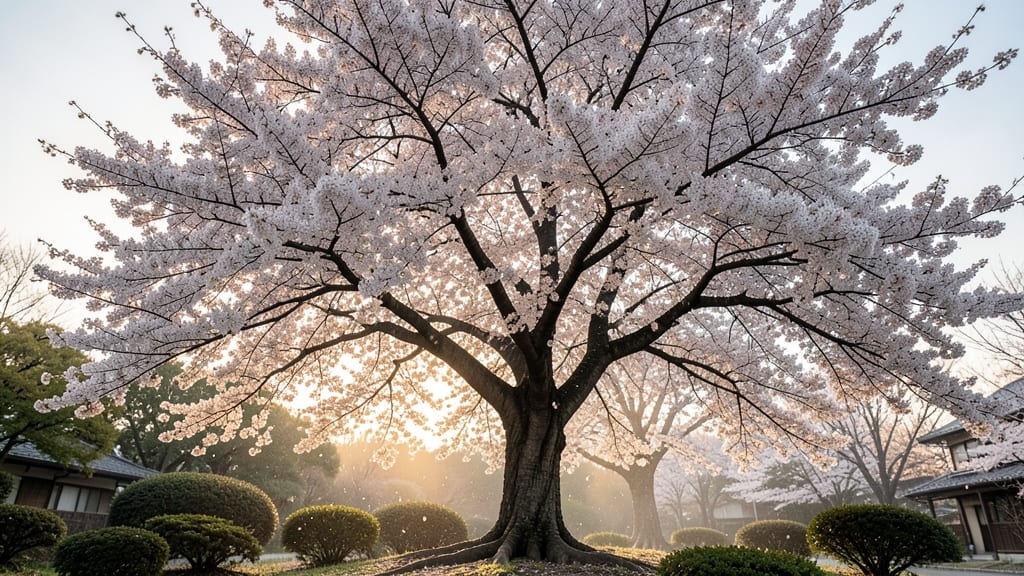
Transform your garden into a sensory paradise with these 10 fragrant trees that bloom with pristine white flowers. Their intoxicating scents—ranging from sweet to citrusy—will elevate any outdoor space, whether you crave a romantic cottage garden or a modern urban oasis.
Bridal Wreath Spirea for Spring Delight
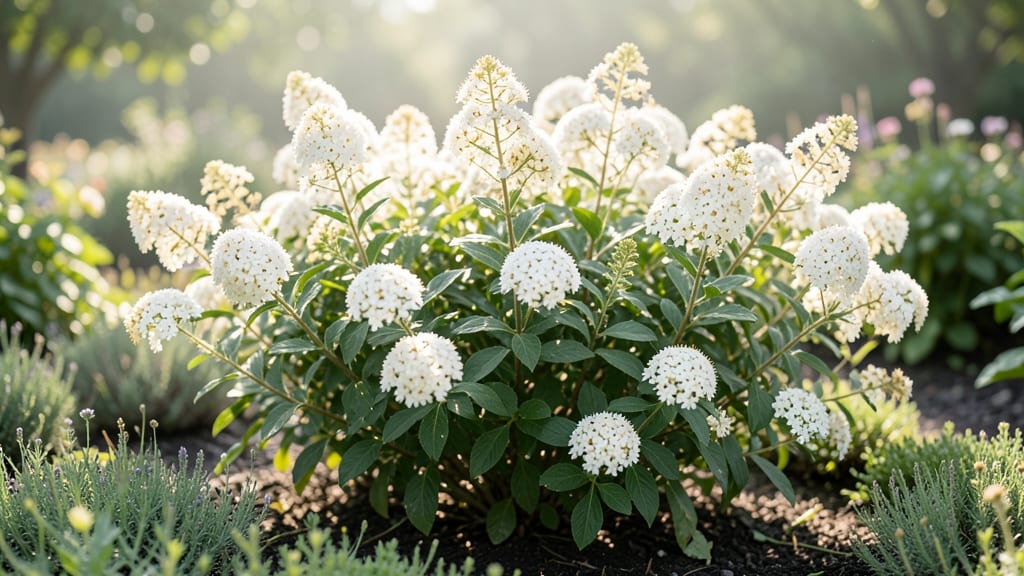
If you’re dreaming of a small garden bursting with fragrance and color without the fuss of large plants, Bridal Wreath Spirea (Spiraea prunifolia) is your perfect springtime ally. This compact shrub—typically reaching just 3 to 5 feet tall—delivers lush clusters of white, lacy flowers that bloom in early spring, often before many other garden stars even wake up.
The real magic? Its honey-like fragrance, which fills the air and draws in pollinators like bees and butterflies from the moment the flowers open. Unlike some fragrant plants that require full sun, Bridal Wreath Spirea thrives in partial shade, making it ideal for urban gardens, patios, or shady corners where other shrubs struggle. Prune it lightly after flowering to maintain its shape, and watch it reward you with repeat blooms in some climates.
This low-maintenance shrub is especially forgiving for beginner gardeners, tolerating a range of soils and even drought once established. Plant it near pathways or seating areas to fully enjoy its sweet scent—your garden (and pollinators) will thank you. 🌿
Crabapple Trees for Year-Round Interest
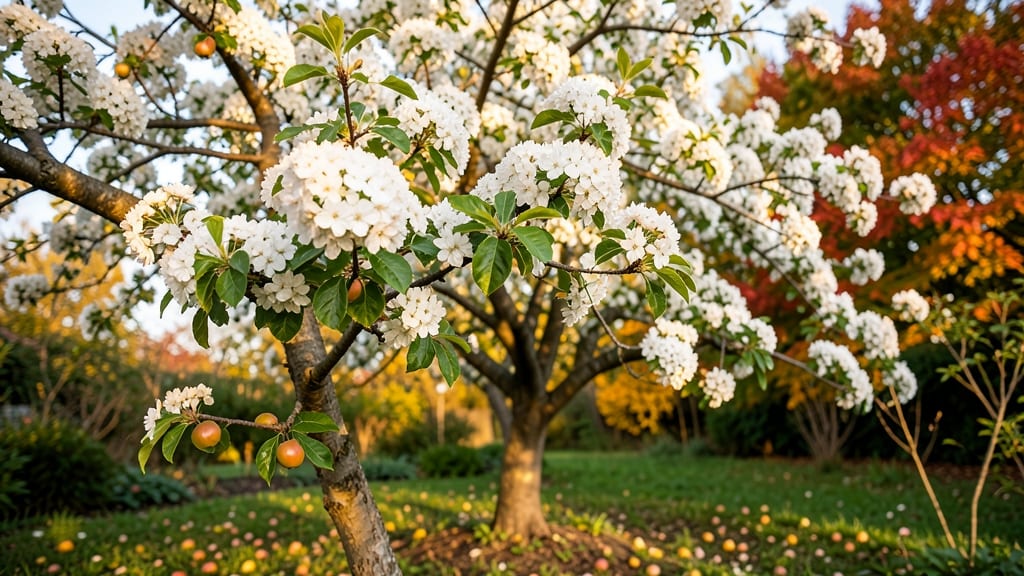
Want a tree that’s not just pretty but useful all year long? Crabapple trees deliver fragrant white blossoms in spring, vibrant fall foliage, and even edible crabapples for birds and wildlife—making them the ultimate multi-season garden star.
These trees thrive in full sun to partial shade and handle a range of soils, including clay. Varieties like ‘Dolgo’ or ‘Sargent’ offer disease resistance, while smaller cultivars (like ‘Centennial’ at 15–20 feet) work for tight spaces. The fragrant spring blooms attract pollinators, while autumn’s colorful fruit adds texture and food for wildlife.
Perfect for gardeners who want beauty and function—whether you’re designing a wildlife-friendly yard or a low-maintenance focal point. 🌟
Fringe Tree for Late-Spring Fragrance
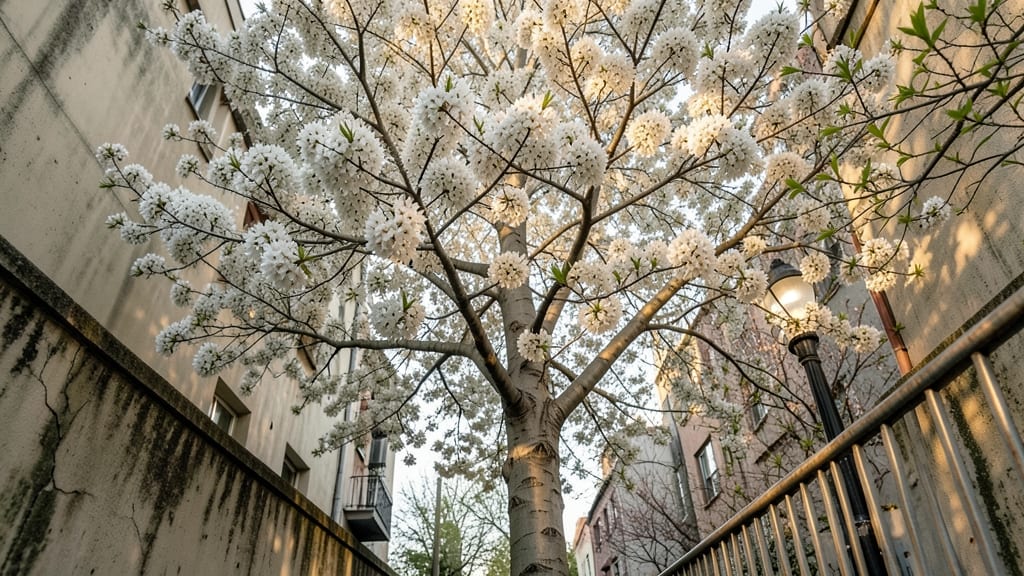
When city sidewalks and balconies need a burst of nature, the fringe tree (Chionanthus virginicus) delivers a fragrant surprise. Unlike early bloomers, this tree waits until late spring to unleash its feathery white flowers, filling the air with a jasmine-like scent that lingers for weeks—perfect for masking urban odors.
Thriving in tight spaces and tolerating pollution, it’s ideal for containers or small yards. Plant it where you’ll brush past the branches—patios, walkways, or near seating areas—to fully enjoy its intoxicating aroma. Prune lightly after flowering to maintain shape, and watch as its pollinator-friendly blooms attract bees and butterflies.
Urban gardeners and small-space enthusiasts will love this low-maintenance tree that turns concrete jungles into fragrant retreats. 🌻
Mock Orange for Citrusy Perfume
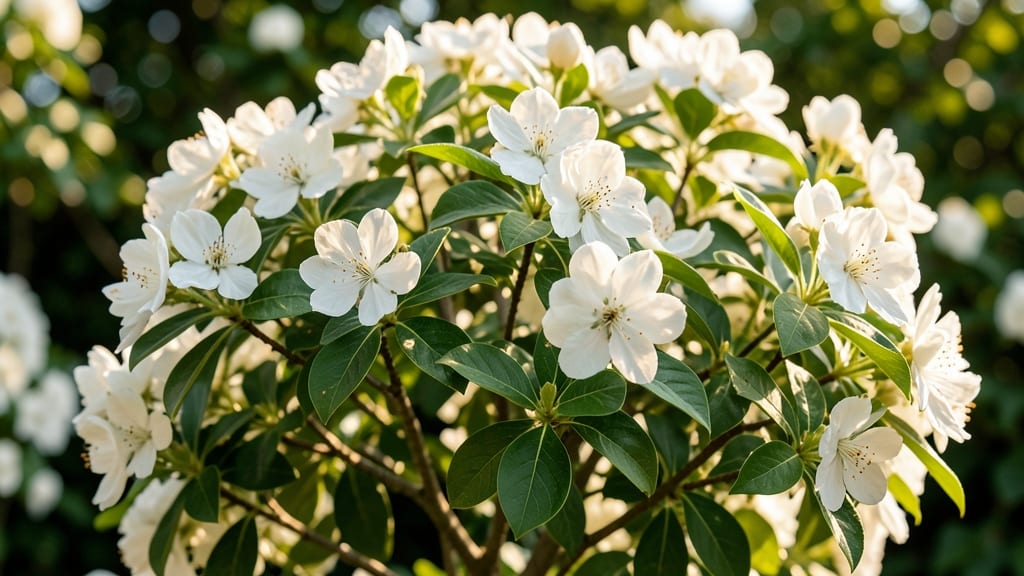
Looking for a shrub that delivers a citrusy punch without the fuss of aggressive growth? Mock orange (Philadelphus) is your answer—its fragrance is so potent it outshines even real orange blossoms, making it a star for hedges or containers where you want drama without sprawl.
This deciduous shrub thrives in partial shade to full sun and blooms prolifically in late spring with clusters of four-petaled white flowers. Prune lightly after flowering to encourage bushier growth, and enjoy its intoxicating scent that lingers long after the blooms fade. Unlike its namesake, mock orange doesn’t produce fruit, so it’s a low-maintenance choice for gardeners who crave fragrance without the mess.
Perfect for urban gardens, patios, or as a fragrant hedge, mock orange is especially rewarding for those who love bold aromas but limited space. 🌿
Japanese Snowbell for Shade Gardens
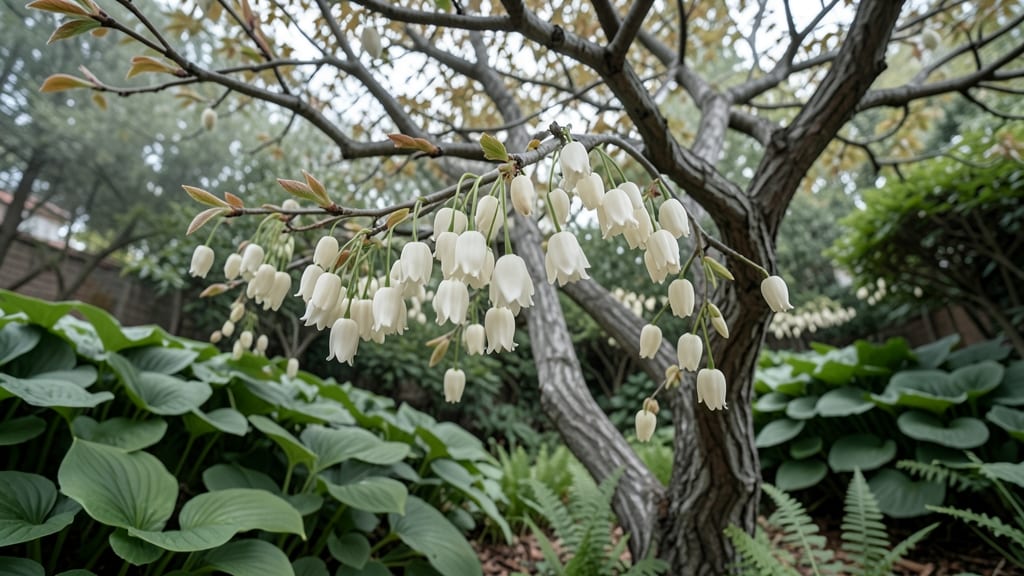
If your garden has spots where sunlight barely touches, the Japanese snowbell (Styrax japonica) is your secret weapon. This understory tree thrives in partial to full shade, producing delicate, downward-facing white bells that release a vanilla-like fragrance best enjoyed from ground level—where most gardeners never look.
Unlike sun-loving trees, the Japanese snowbell tolerates dry shade and even urban pollution, making it perfect for woodland gardens, foundation plantings, or under taller trees. Its late spring to early summer blooms (May-June) align with when other shade plants may struggle, and its glossy, dark green leaves provide year-round interest. For maximum fragrance, plant it near seating areas or pathways where you can brush against the branches.
Shade gardeners and woodland enthusiasts will love how this tree fills gaps where others fail, offering both scent and structure without the fuss. 🌿
Lilac Trees for Classic Elegance
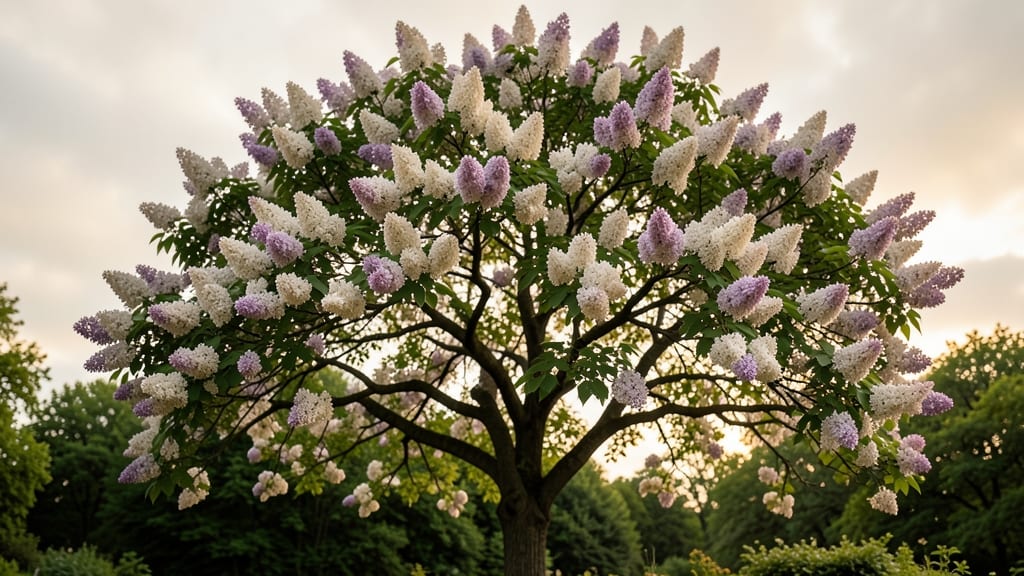
Step into a Victorian-era garden with the timeless allure of lilac trees, whose iconic white blooms and subtle lavender undertones evoke nostalgia. Unlike other fragrant trees, lilacs deliver a multi-sensory experience—their scent intensifies on warm evenings, while their dense clusters make perfect cut flowers for bouquets that last up to a week in a vase.
Plant lilacs in full sun (at least 6 hours daily) for the most abundant blooms, and choose a well-drained site to prevent root rot. Prune immediately after flowering to maintain shape and encourage next year’s vibrant displays. Varieties like ‘White Cascade’ or ‘Miss Kim’ offer both fragrance and adaptability, thriving in USDA zones 3-8 for year-round charm.
Perfect for traditionalists and cottage gardeners, lilacs transform any space into a fragrant sanctuary. Their low-maintenance nature and versatile placement—whether as a standalone specimen or mixed with roses—make them a must-have for classic garden aesthetics. 🌷
Saucer Magnolia for Early Spring Sensation
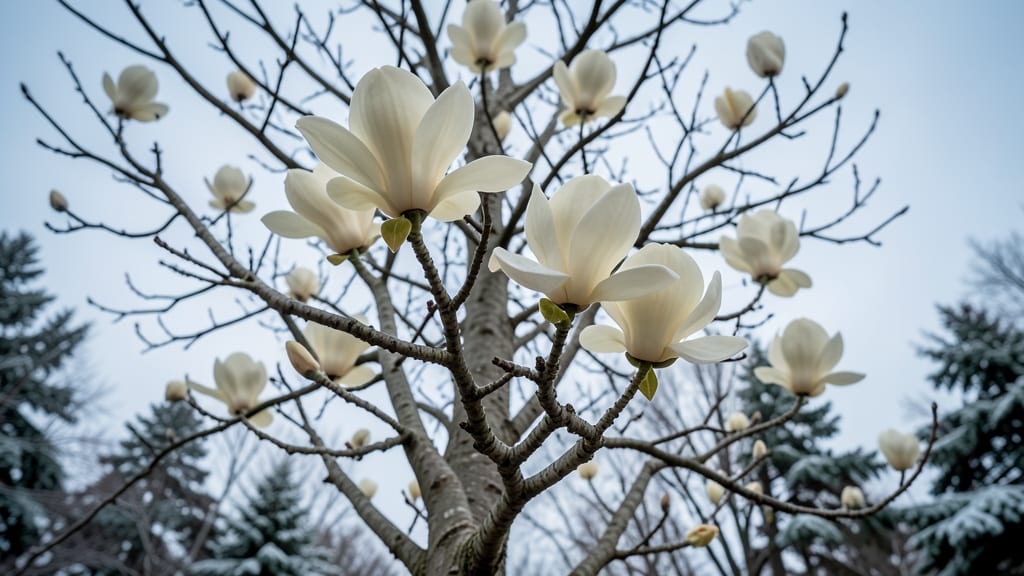
When your garden still feels asleep under winter’s grip, the saucer magnolia arrives like a springtime messenger. Its oversized, creamy-white blooms unfurl before leaves emerge, transforming bare branches into a fragrant spectacle that announces warmer days are here.
Plant this deciduous tree in full sun to partial shade, where it thrives in well-drained soil. Prune spent blooms in late spring to encourage next year’s display—just avoid heavy pruning now, as it blooms on old wood. The fragrance, often described as sweet and citrusy, lingers in the air, making it perfect for patios or garden entryways.
Urban gardeners and small-space planners will love its compact size (20-30 feet at maturity), while traditionalists adore its classic Southern charm. Pair it with hellebores or early daffodils for a layered spring show. 🌟
Sweetbay Magnolia for Humid Climates
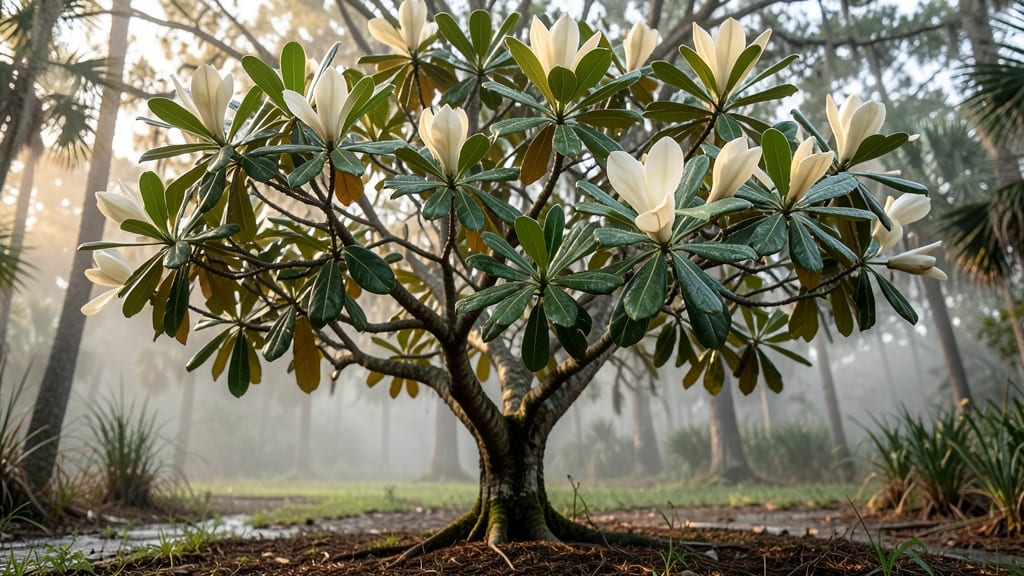
If you live in a humid climate where heat and moisture can stress other plants, the Sweetbay Magnolia (Magnolia virginiana) is your perfect fragrant ally. Unlike high-maintenance trees, this evergreen thrives in coastal regions, swamps, and subtropical zones, offering year-round greenery and gardenia-scented blooms that perfume the air from late spring through summer.
This adaptable tree handles poor, acidic, or even wet soils—ideal for rain gardens or low-lying areas where other magnolias fail. Its glossy, dark green leaves provide texture year-round, while the creamy-white flowers (each with a subtle pink stripe) attract pollinators without needing full sun. Just give it partial shade (especially in hotter zones) and occasional watering to keep it lush.
Perfect for gardeners in USDA Zones 5–9, the Sweetbay Magnolia is a low-fuss superstar for privacy screens, foundation plantings, or as a standalone specimen. Its resilience and intoxicating scent make it a must-have for coastal gardens, southern landscapes, and wildlife-friendly yards. 🌿
Deutzia Shrubs for Long-Lasting Blooms
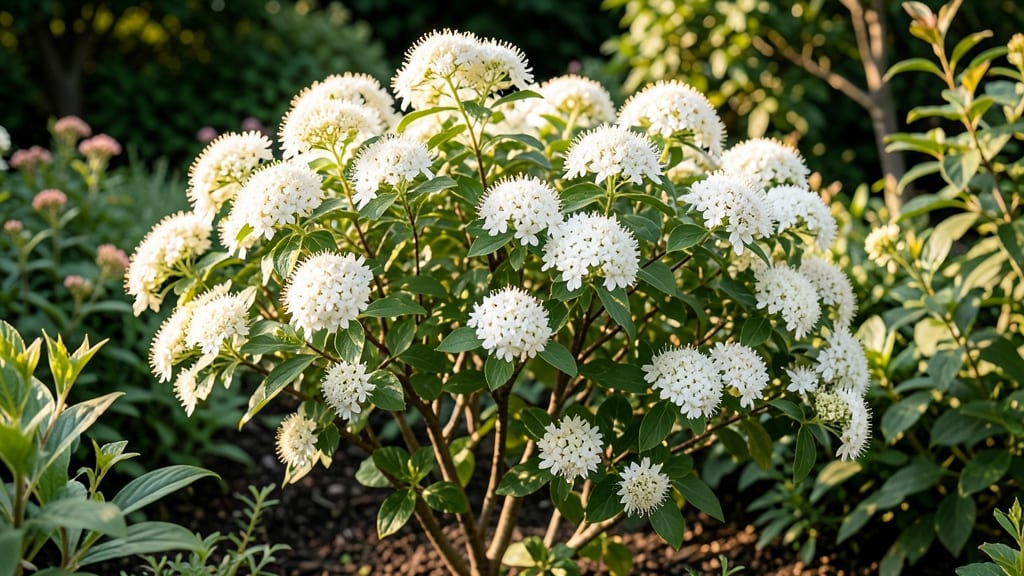
Looking for a low-maintenance shrub that delivers two rounds of blooms in one season? Deutzia shrubs are the unsung heroes of mixed borders, offering delicate white flowers in spring and sometimes a second flush in fall.
These shrubs thrive in part shade to full sun and tolerate a range of soils, making them perfect for gardeners who want fragrance without fuss. Their light, sweet scent—often compared to honeysuckle—adds depth to borders when paired with perennials like hostas or ferns. Prune after flowering to encourage bushier growth and more blooms next season.
Ideal for cottage gardens, woodland edges, or as a fragrant hedge, Deutzia shrubs bring effortless elegance to any space. 🌿
Japanese Cherry Blossoms for Dramatic Displays

Want a tree that doesn’t just look stunning but feels like stepping into a fragrant dream? The ‘Shirotae’ Japanese cherry blossom delivers a cloud-like canopy of pure white flowers that perfume the air with an intoxicating, sweet scent—stronger than its pink cousins. This isn’t just a pretty face; it’s a sensory experience designed to command attention in open spaces.
Plant it in full sun for optimal blooming, and choose a spot where its 20-30 foot spread can shine as a centerpiece. The late spring blooms (April-May) create a breathtaking show, while the delicate petals create a carpet of blossoms beneath. Prune lightly after flowering to maintain its natural shape, and enjoy years of dramatic displays with minimal fuss.
Perfect for gardeners who want to make a statement—whether you’re designing a Japanese-inspired garden, a park-like lawn, or a romantic backyard retreat. Just be ready for neighbors to stop and smell the blossoms! 🌷