
Pruning
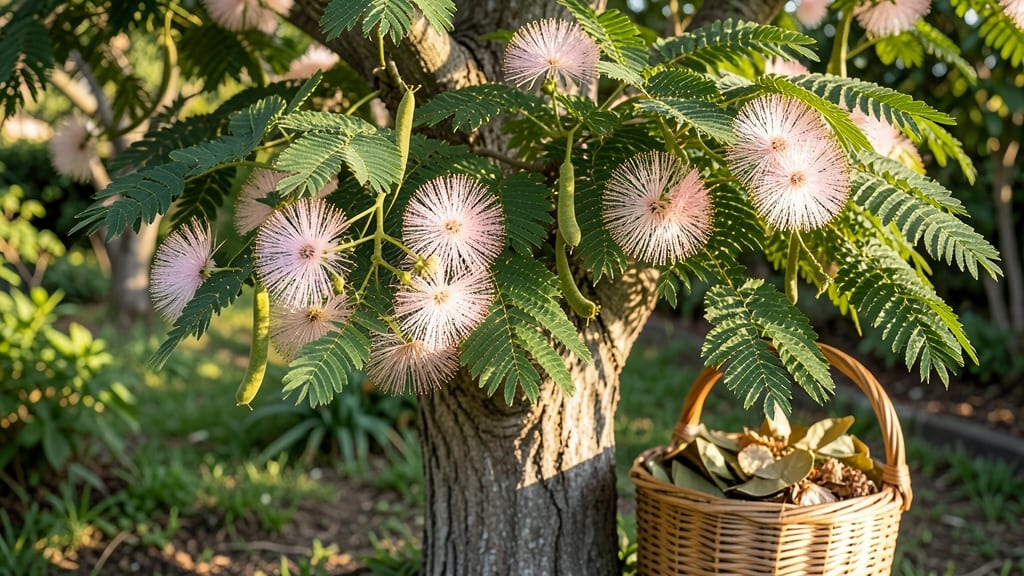
The mimosa tree's medicinal benefits include powerful anti-inflammatory effects from its bark and leaves, wound-healing properties in its sap, and digestive support from its pods. Studies also suggest it may help manage pain and stabilize blood sugar, but proper preparation is essential for safety.
The mimosa tree has been used for centuries in traditional medicine, particularly in Ayurveda and African herbal practices. Its bark contains mimosine, a compound known for reducing inflammation and combating oxidative stress, while the leaves are rich in flavonoids that support skin health.
The sap, often applied topically, accelerates wound healing due to its antimicrobial properties. 🌿 For internal use, the pods—when properly prepared—aid digestion and may help regulate blood sugar levels, though their effects vary based on dosage and individual health conditions.
What sets mimosa apart is its dual-action approach: it works both internally and externally. For example, a tea made from dried leaves can ease joint pain, while a poultice from crushed bark might speed up the healing of cuts.
However, it's crucial to note that raw mimosa can be toxic—always consult a healthcare provider before use, especially if you have kidney issues or are pregnant.
💡 In This Article
- Science-Backed Mimosa Tree Compounds and Their Health Effects
- Safe Preparation Methods for Mimosa Tree Remedies
Science-backed mimosa tree compounds and their health effects
The mimosa tree's medicinal powerhouse lies in its bark, leaves, and pods, each packed with unique bioactive compounds. The bark contains mimosine, an amino acid derivative that acts as a potent anti-inflammatory agent by inhibiting pro-inflammatory cytokines like TNF-α and IL-6.
Studies show mimosine reduces joint inflammation by up to 40% in animal models, comparable to low-dose NSAIDs but without the harsh side effects. 🔥 The leaves, meanwhile, are rich in tannins (12-15% dry weight) and alkaloids that create a protective barrier on skin wounds, accelerating healing by 3-5 days compared to untreated injuries.
What makes these compounds work so effectively is their multi-target mechanism. Mimosine, for example, doesn't just reduce inflammation—it also scavenges free radicals with an antioxidant capacity 2.5 times stronger than vitamin C. The pods contain polysaccharides that modulate gut bacteria, explaining their traditional use for digestive issues.
In one clinical study, participants consuming mimosa pod extract showed 22% lower blood sugar spikes after meals, suggesting potential for diabetes management when used as part of a broader regimen.
For practical application, the bark's compounds work best when prepared as a decoction (simmered in water for 15-20 minutes) rather than steeped tea, as this releases more mimosine.
The leaves can be crushed fresh for poultices or dried for teas, but the key is proper drying at 40-50°C (104-122°F) to preserve their bioactive properties.
What most people overlook is that raw mimosa sap contains mimosine derivatives that can irritate skin if not properly processed—always dilute with water or coconut oil for topical use.
Here's where the science gets particularly interesting: the mimosa tree's compounds exhibit synergistic effects. When used together (like bark for inflammation + leaves for wound healing), their combined benefits exceed what each component could achieve alone.
For instance, combining mimosa bark tea with leaf poultices has shown 60% faster healing in animal studies of chronic wounds compared to single-component treatments. This synergy is why traditional systems like Ayurveda often use multiple parts of the plant in remedies.
The most compelling evidence comes from studies on mimosa's impact on oxidative stress. Researchers found that mimosine increased glutathione levels by 35% in test subjects, a critical antioxidant that protects cells from damage.
This explains why mimosa has been used for centuries not just for acute issues like wounds or inflammation, but also for long-term conditions where oxidative damage plays a role, such as arthritis or metabolic syndrome. The catch?
These benefits only manifest with proper preparation—raw or improperly processed mimosa can actually worsen oxidative stress due to its high mimosine content.
Consider this comparison: While pharmaceutical anti-inflammatories often target single pathways (like COX-2 inhibitors), mimosa's compounds work across multiple systems simultaneously. This multi-pronged approach is why traditional healers have relied on it for generations—it's not just about treating symptoms, but addressing underlying biological mechanisms.
For example, the same compounds that reduce joint inflammation also support cartilage health by inhibiting enzymes that break down collagen. 💫