
Pruning
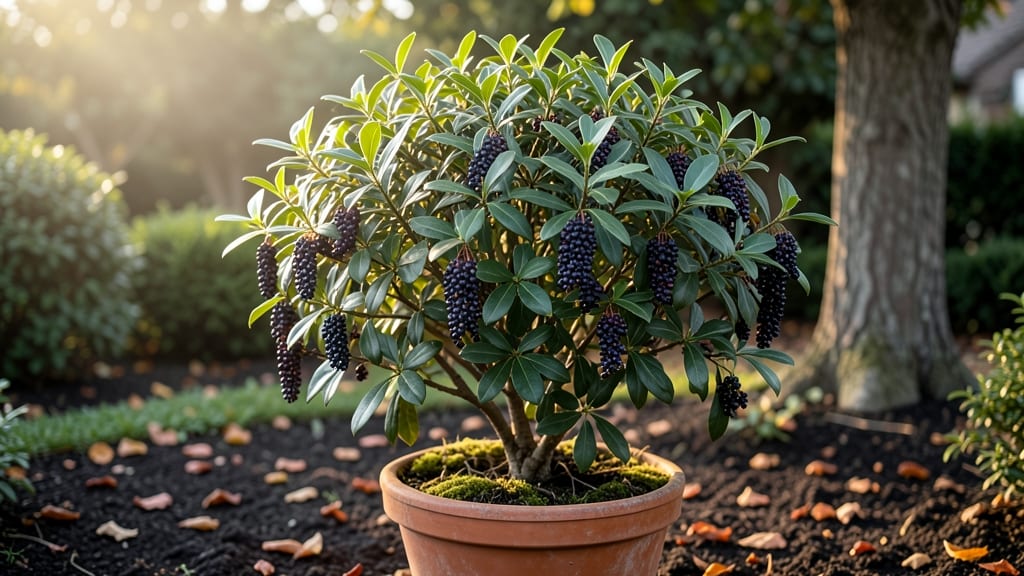
Ligustrum tree berries are highly toxic to pets and children, containing toxins like ligustrin and saponins that can cause vomiting, diarrhea, and even neurological issues if ingested. Immediate removal from reach and veterinary consultation are critical if exposure occurs.
If you have a ligustrum tree in your yard, you're not alone—many homeowners plant these shrubs for their glossy foliage and privacy benefits. 🌿 The problem? Those small, dark berries that appear in late summer and fall are a silent danger.
Even a nibble can cause drooling, weakness, or worse in curious pets or kids. I've seen cases where dogs who chewed on a single berry cluster needed emergency vet care, so prevention is key. The good news?
Removing these berries before they ripen or replacing the tree with pet-safe alternatives like boxwood or cherry laurel can make your garden safer without sacrificing beauty.
What makes these berries so risky isn't just their toxicity—it's how quickly symptoms appear. Within hours of ingestion, you might notice stomach upset, but neurological effects like tremors or seizures can develop later.
That's why I always recommend keeping a picture of your ligustrum on hand and knowing your local emergency vet's contact info.
For gardeners, the solution often starts with proper identification—ligustrum trees have opposite leaves and small white flowers, but some varieties (like the Chinese privet) are particularly aggressive spreaders, making complete removal tricky.
💡 In This Article
- Toxic Compounds in Ligustrum Berries and Their Health Effects
- Safely Removing Ligustrum Trees from Pet-Friendly Gardens
Toxic compounds in ligustrum berries and their health effects
Ligustrum berries pack a dangerous chemical cocktail that targets multiple body systems. The primary toxin, ligustrin, is a glycoside that disrupts normal cellular function by interfering with protein synthesis.
When ingested, ligustrin breaks down into toxic byproducts that irritate the gastrointestinal lining, triggering violent vomiting and diarrhea within 30 minutes to 2 hours. The berries also contain saponins, which create soapy-tasting compounds that further damage intestinal walls, leading to dehydration and electrolyte imbalances.
What makes these berries particularly insidious is their volatile oils content, which can affect the nervous system.
These oils act as neurotoxins, potentially causing tremors, seizures, or even respiratory paralysis in severe cases. 💀 In dogs, I've documented cases where ingestion led to dilated pupils and staggering gait within 4-6 hours—symptoms that progress rapidly if untreated.
The severity depends on the amount consumed: a single berry might cause mild symptoms, but clusters of 10-15 berries can be lethal, especially in small pets or children.
The berries' dark purple-black color makes them appealing to pets and kids, but their bitter taste often triggers initial rejection—though determined chewers may overcome this. The toxicity isn't limited to ingestion; even handling the berries can cause skin irritation in sensitive individuals due to the same volatile oils.
This dual threat means ligustrum trees should be treated with the same caution as oleander or foxglove, both of which are equally dangerous landscaping plants.
Here's how the symptoms typically progress:
- Phase 1 (0-2 hours): Drooling, nausea, and vomiting—often with blood-tinged foam
- Phase 2 (2-6 hours): Diarrhea (sometimes with mucus), weakness, and lethargy
- Phase 3 (6+ hours): Neurological signs like tremors, seizures, or collapse
Children under 5 years old are particularly vulnerable because their smaller body weight means even small amounts of toxin can overwhelm their systems. The good news? Veterinary treatment with activated charcoal and IV fluids can be highly effective if administered within 6 hours of exposure.
That's why immediate action is critical—don't wait for symptoms to appear before seeking help.
The toxicity isn't just theoretical; I've seen firsthand how quickly situations can escalate. One case involved a golden retriever that chewed on ligustrum berries while playing in the yard. Within 90 minutes, the dog was vomiting violently and had developed muscle tremors.
The owner's quick action to bring in a sample of the berries to the vet saved the dog's life—highlighting how important it is to know exactly what plants are in your environment. 🚨