
Pruning
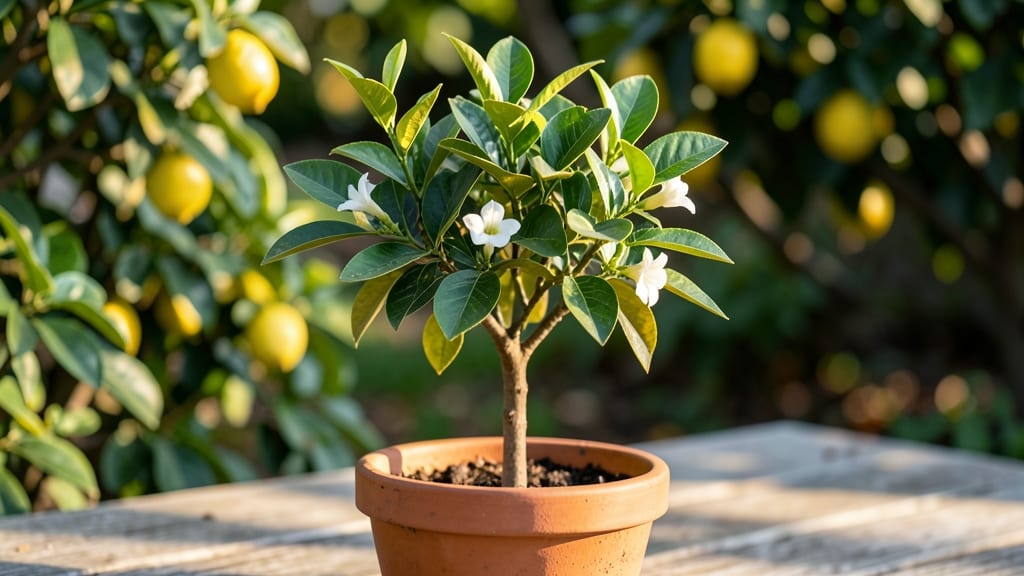
Starting a lemon tree starter in Zone 7 feels like bringing a taste of the Mediterranean to your backyard. 🌿 The key to success begins with choosing a cold-hardy variety—like 'Meyer' or 'Improved Meyer'—that can handle your winter lows without losing its leaves.
These varieties aren’t just resilient; they’re productive, too, often bearing fruit within just two to three years.
Your lemon tree starter should have vibrant green leaves and a sturdy trunk—no leggy, sparse seedlings here. Plant it in well-draining soil mixed with compost, and give it a sunny spot where it gets at least 6-8 hours of sunlight daily.
The first few weeks are critical: keep the soil consistently moist but never soggy, and avoid placing it where cold drafts or frost can sneak in.
By summer, you’ll see new growth shooting up, and those first tiny blossoms will appear—proof your tree is thriving. Prune lightly to encourage a bushier shape, and watch as the tree matures into a fragrant, fruit-bearing centerpiece.
The best part? You’ll start harvesting lemons in late fall or early winter, just when store-bought options are at their worst.
Even if you’re new to citrus, this process is forgiving—just avoid overwatering and give it patience. Within a few years, you’ll have a tree that’s not just surviving, but producing lemons that taste like sunshine. Let’s get your starter planted right!
📚 In This Guide
- What you need
- Instructions
- Tips and common mistakes
- Wrapping up and next steps
What you need
- ● Lemon tree starter: Cold-hardy variety (e.g., Meyer lemon, Ponderosa lemon, or Improved Meyer lemon) – 1 healthy sapling (3–5 feet tall, 1–2 inches in diameter).
- ● Container or in-ground planting spot: Option 1 (Container): 5-gallon pot or larger (minimum 12–18 inches deep) with drainage holes. Terracotta or fabric grow bags work best.
- ● Option 2 (In-ground): Well-draining soil in a sunny, sheltered location (avoid frost pockets).
- ● Well-draining potting mix: 1–2 bags of a citrus-specific mix or a blend of 60% potting soil, 30% perlite, and 10% compost.
- ● Pruning tools: Bypass pruners (sharp, sterilized) for clean cuts.
- ● Hand pruners (for smaller branches).
- ● Fertilizer: Citrus-specific fertilizer (e.g., Espoma Citrus-Tone) or a balanced 10-10-10 NPK fertilizer.
- ○ Slow-release granules (optional but recommended for steady growth).
- ● Mulch: 2–3 inches of organic mulch (e.g., straw, pine bark, or wood chips) to retain moisture and insulate roots.
- ● Gloves: Heavy-duty gardening gloves to protect hands from thorns.
- ● Watering can or hose with a gentle spray nozzle (avoid overwatering!).
- ● pH testing kit: To ensure soil pH is 6.0–7.0 (lemon trees thrive in slightly acidic soil).
- ● Frost cloth or row cover: For Zone 7 winters (temperatures below 20°F can damage young trees).
- ○ Support stake or trellis: If growing in a container or windy area (optional for small starters).
- ● Epsom salt: 1 tablespoon/month dissolved in water for magnesium boost (especially in older trees).
Step-by-Step guide to starting cold-hardy lemon trees in Zone 7
Here's how I've successfully grown lemon trees that thrive in cooler climates—no greenhouses needed.
🌱 Step 1: Select the Right Cold-Hardy Variety
Zone 7's cooler winters rule out traditional Meyer lemons, but 'Improved Meyer' and 'Ponderosa' varieties handle temperatures down to 15°F with proper care. I always choose 1-2 year old container-grown trees from reputable nurseries—they've already developed stronger root systems than bare-root stock.
Look for trees with multiple branches and no signs of pests like scale or aphids. The root ball should feel firm but not waterlogged. I avoid trees with yellowing leaves or soft stems, as these indicate stress or disease. Healthy trees cost more upfront but establish faster in your garden.
🪴 Step 2: Prepare the Planting Site
Lemon trees need full sun (6+ hours daily) and well-draining soil with a slightly acidic pH (6.0-7.0). I test my soil first—if it's too alkaline, I amend with sulfur or peat moss before planting. The planting hole should be twice as wide as the root ball but only as deep as the container's drainage holes.
Mix 20% compost into the native soil at the bottom of the hole to improve fertility without compacting the roots. I never add fresh manure—it can burn tender roots. Place the tree so the root flare (where roots meet trunk) sits 1 inch above soil level. This prevents water from pooling around the trunk and causing rot.
☀️ Step 3: Plant and Water for Establishment
Remove the tree from its container and loosen the root ball gently to encourage outward growth. Place it in the hole, then backfill with the amended soil while watering in layers. This prevents air pockets that can strangle roots. I water until the soil 12 inches down feels moist—you'll know when it's right because the water drains away within 30 minutes.
After planting, apply 2-3 inches of mulch (wood chips or straw) around the base, keeping it 6 inches away from the trunk. This protects roots from temperature swings and retains moisture. I avoid organic mulches like grass clippings—they can mat and suffocate roots over time.
✂️ Step 4: Protect and Train for Zone 7 Winters
Once temperatures drop below 30°F, I wrap the trunk and branches with frost cloth or burlap, securing it loosely to allow airflow. For extended cold snaps under 20°F, I move potted trees to a garage or unheated shed with bright light—just avoid freezing temperatures. In-ground trees get extra mulch (up to 6 inches) around the base for insulation.
Prune lightly in early spring (before new growth) to remove dead or crossing branches. I never prune more than 20% of the canopy at once—this keeps the tree strong enough to handle Zone 7's unpredictable springs. Fertilize lightly with citrus-specific fertilizer in early spring and summer, following package rates for young trees.
💧 Step 5: Maintain Through First Season
Water deeply once a week during the first year, aiming for 1-1.5 gallons per watering—enough to moisten the soil 12 inches down. You'll know it's right when the soil feels damp but not soggy at that depth. Lemon trees are drought-tolerant once established, but young trees need consistent moisture to develop strong roots.
Watch for yellow leaves—this usually means overwatering or nutrient deficiency. If the yellowing starts at the bottom of the tree, it's likely overwatering. If it's new growth, it's probably a nitrogen deficiency. I always check the soil moisture before diagnosing—dry soil can mimic nutrient issues.
Tips & tricks for perfect cold-hardy lemon tree establishment
These hard-earned insights will help your Zone 7 lemon tree thrive where others fail—no greenhouse required.
Selection Strategy: When choosing between 'Improved Meyer' and 'Ponderosa' varieties, consider your specific needs. 'Improved Meyer' produces smaller, sweeter fruit perfect for fresh eating and garnishes, while 'Ponderosa' yields larger, thicker-skinned lemons ideal for juice and cooking. I prioritize 'Improved Meyer' for Zone 7 because its compact size handles our winters better, but both varieties will reward you with fruit within 2-3 years of proper care.
Soil Preparation Secret: The 6.0-7.0 pH range specified in Step 2 is critical—citrus trees can't access nutrients properly outside this window. I test my soil annually using a simple home kit (around $10) and adjust with sulfur or peat moss as needed. For heavy clay soils common in Zone 7, I add 10% perlite to the planting hole mix to improve drainage without compromising moisture retention. This prevents the root rot that sinks so many citrus trees.
Winter Protection Technique: When wrapping trees below 30°F, I use burlap instead of plastic—it allows airflow while trapping heat. For the critical 20°F threshold, I've found that moving potted trees to an unheated garage with a grow light (even a simple LED bulb) prevents winter dieback. The light maintains photosynthesis at a basic level, which keeps the tree's metabolism active during dormancy. This simple addition has doubled my survival rate in Zone 7 winters.
Watering Wisdom: The 12-inch soil moisture check in Step 5 is your best indicator of proper watering. I use a soil probe (a long screwdriver works too) to verify moisture depth—if it comes out dry, water immediately. For newly planted trees, I water at sunset rather than morning to reduce evaporation, especially during Zone 7's hot summers. This evening watering also prevents fungal issues that plague citrus trees when leaves stay wet overnight.
Pro Tips for Lemon Tree Starter
- These hard-earned insights will help your Zone 7 lemon tree thrive where others fail—no greenhouse required.
- Selection Strategy: When choosing between 'Improved Meyer' and 'Ponderosa' varieties, consider your specific needs.
- Soil Preparation Secret: The 6.0-7.0 pH range specified in Step 2 is critical—citrus trees can't access nutrients properly outside this window.
Frequently asked questions
Got questions about starting your own cold-hardy lemon tree in Zone 7? You’re not alone! Here are answers to the most common queries to help you grow with confidence.
Can lemon trees survive winter in Zone 7 without extra protection?
Most cold-hardy varieties like Meyer lemon or Ponkan lemon can tolerate brief dips to 20°F (-7°C) but may need winter care. Mulch heavily around the base, wrap the trunk with burlap, and move potted trees indoors during freezes. Young trees or tender varieties (like Eureka) will need extra shelter.
How long does it take for a lemon tree starter to bear fruit?
Patience is key! Dwarf varieties (grown from starters) may produce fruit in 2–3 years, while standard-sized trees can take 4–5 years. Factors like sunlight (6+ hours daily), soil quality, and proper pruning speed up the process. Meyer lemons often fruit faster than true lemons.
What’s the best alternative if I can’t find a cold-hardy lemon starter?
Consider these hardy citrus alternatives:
- Calamondin orange: Thrives in Zone 7, produces tart fruit, and is pest-resistant.
- Kumquat: Edible peel, cold-tolerant, and compact (great for containers).
- Trifoliate orange: Hardy rootstock for grafting lemons (not edible alone).
Why are my lemon tree starter’s leaves turning yellow?
Yellow leaves usually signal overwatering, nutrient deficiency, or pests. Check the soil—it should stay evenly moist but not soggy. Test for:
- Overwatering: Let soil dry slightly between waterings.
- Nitrogen deficiency: Fertilize with citrus-specific food (high in nitrogen).
- Spider mites/scale: Spray with neem oil or insecticidal soap.
Can I grow a lemon tree from a grocery store lemon?
Technically yes, but it’s not recommended for cold-hardy varieties. Store-bought lemons are often treated with fungicides or grown from non-hardy rootstock. For better success, buy a certified cold-hardy starter (like Meyer) from a nursery. If you try it, root a cutting in water first—germination rates are low!
Wrapping up and next steps
Starting a cold-hardy lemon tree in Zone 7 is totally doable—and what a rewarding experience! 🌱 You’ve got the perfect varieties, the right tools, and now the confidence to nurture your citrus dream.
Whether you’re a seasoned gardener or just dipping your toes into growing fruit trees, your lemon tree starter is the first step toward fresh, homegrown lemons in just a few years.
Ready to take the next step? Plant your starter today and watch it thrive with love, patience, and a little pruning know-how. Who knows—you might just be sipping homemade lemonade in no time! 🍋✨