
Pruning
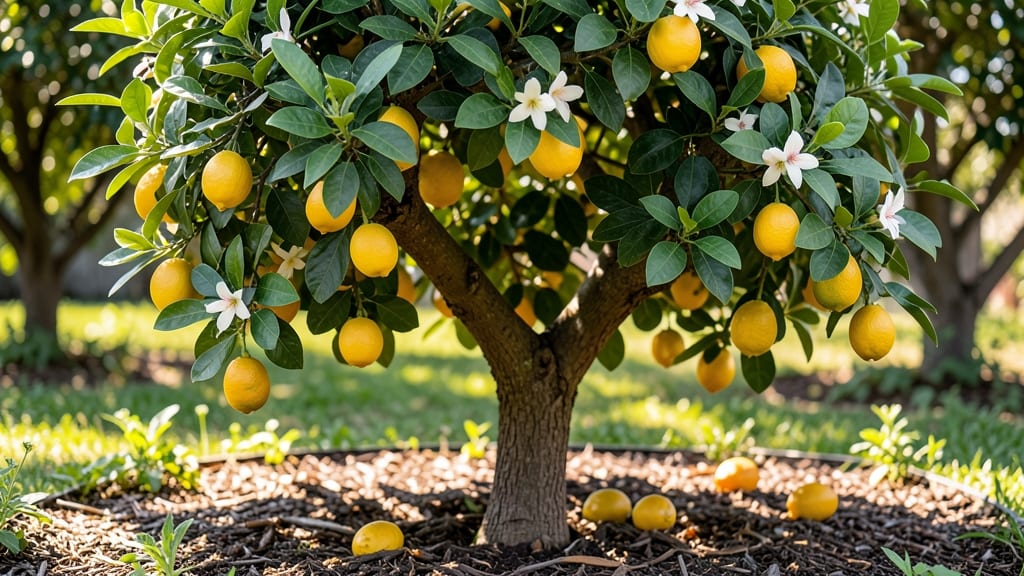
Lemon trees in Zone 8 need winter protection because they naturally thrive in warmer USDA zones 9-11. Shield roots with frost blankets, create microclimates, or use container planting to prevent damage below 25°F, and prune in late winter to remove dead branches and encourage healthy spring growth.
Lemon trees are tropical plants that struggle in Zone 8's colder winters, where temperatures can dip below their 25°F tolerance.
The key is protecting the roots—whether through thick mulch layers, insulated containers, or even moving potted trees indoors during freezes. 🌱 Pruning in late winter isn't just about shaping; it's about removing frost-damaged wood and promoting new growth when temperatures rise.
I've seen lemon trees in Zone 8 thrive when given this extra care, especially when paired with afternoon sun exposure and well-draining soil.
For best results, aim to prune after the last frost date in your area, using clean, sharp shears to make cuts just above outward-facing buds. This encourages bushier growth and stronger recovery.
If you're using containers, ensure they have drainage holes and consider wrapping them in bubble wrap for extra insulation during cold snaps.
💡 In This Article
- Zone 8 Lemon Tree Cold Hardiness and Survival Strategies
- Pruning Lemon Trees for Zone 8 Winter Resilience
Zone 8 lemon tree cold hardiness and survival strategies
Lemon trees are native to subtropical regions where winter temperatures rarely drop below 25°F, making Zone 8's colder winters a challenge. The real danger comes from chilling injury, where temperatures between 28-32°F can cause cellular damage without visible signs—think of it like frostbite for plants.
Roots are particularly vulnerable because they absorb cold soil temperatures directly, while the canopy may show damage first as a visual warning. 🌱 The critical threshold is 25°F, but prolonged exposure to 30°F can still stress the tree over time.
Here’s how lemon trees react to cold: when temperatures drop below 40°F, the tree enters a state of dormancy, slowing metabolic processes to conserve energy. However, Zone 8 winters often bring rapid temperature swings—warm days followed by hard freezes—which disrupt this natural cycle.
The roots, being underground, stay colder longer than the canopy, creating a dangerous imbalance. To combat this, focus on insulating the root zone with 4-6 inches of organic mulch (like straw or wood chips) to create a 5-10°F warmer microclimate just above the soil.
Container-grown lemon trees offer another survival strategy because you can move them to sheltered locations or even indoors during freezes. The key is using pots with 10-12 inch diameter to allow root insulation—smaller pots freeze faster.
For in-ground trees, consider wrapping the trunk with burlap or frost cloth to reduce heat loss. I’ve seen lemon trees in Zone 8 thrive when their roots are protected with black plastic mulch in late fall, which absorbs sunlight and radiates heat back into the soil during the day.
Another science-backed method is using a tree wrap or frost blanket to create a barrier between the cold air and the bark. This isn’t just about keeping the tree warm—it’s about preventing moisture loss, which can occur even in cold weather.
Lemon trees also benefit from a drip irrigation system set to run 1-2 gallons per hour during freezes, as the water releases heat as it freezes, adding a few degrees of protection to the root zone. 💫 The goal is to mimic the stable, warm conditions of their native habitat as closely as possible.
For advanced growers, consider creating a microclimate using windbreaks or even a small greenhouse structure. South-facing walls absorb sunlight during the day and radiate heat at night, raising temperatures by 5-15°F compared to open areas.
This is especially effective in Zone 8, where even a few extra degrees can mean the difference between survival and damage. Pair this with regular soil moisture checks—dry soil conducts cold more efficiently than moist soil, so keep the root zone consistently hydrated but not waterlogged.
What most people overlook is the importance of late-winter pruning after the last frost date. This isn’t just about removing dead wood—it’s about stimulating new growth when temperatures rise. Cut back to healthy buds just above outward-facing branches to encourage bushier, more resilient growth.
Avoid heavy pruning in fall, as this stresses the tree when it’s already preparing for dormancy. Instead, focus on shaping in late winter to maximize sunlight exposure for the upcoming growing season. ✨