
Pruning
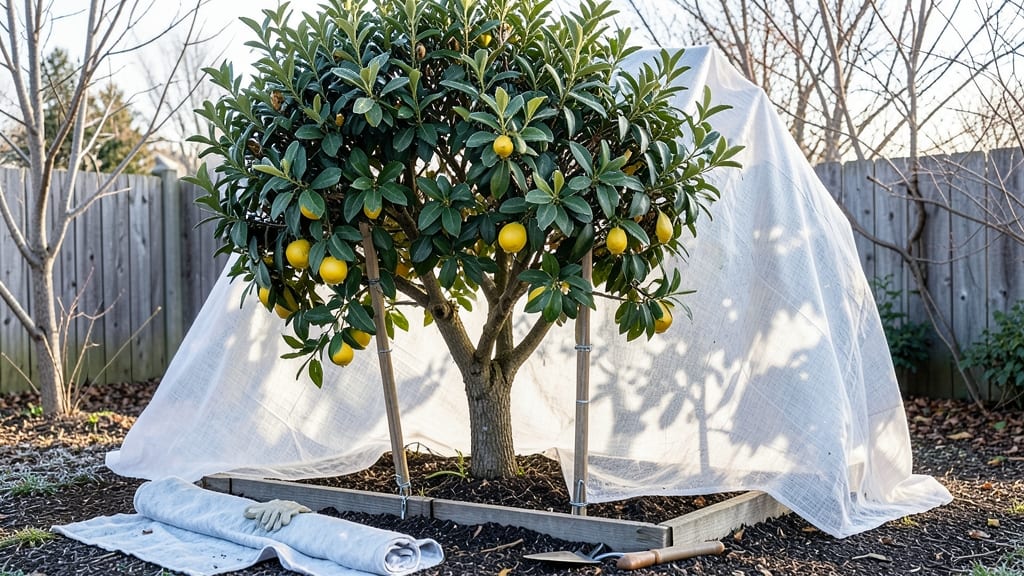
Tree frost blankets extend your growing season by shielding plants from freezing temperatures through heat retention and wind protection, using lightweight materials like burlap or polypropylene. Apply them loosely at night when temps drop below 28°F, then remove them during daylight hours to prevent overheating.
Frost blankets work by creating a microclimate around your plants, trapping radiated heat from the soil and blocking chilling winds that accelerate damage. 🌡️ The key is choosing the right material—polypropylene sheets offer better heat retention, while breathable burlap suits delicate blooms.
I’ve found that securing them with clothespins or stakes (never tight!) allows for air circulation while maintaining protection. For young trees or tender perennials, this simple barrier can mean the difference between survival and winter loss.
Timing matters just as much as the blanket itself. Cover plants before sunset when temperatures approach 32°F, and remove them by mid-morning to avoid trapping moisture.
Pro tip: Avoid plastic—it reflects heat away and can scorch leaves. Instead, opt for 30-ounce test fabric or agricultural frost cloth rated for your zone’s coldest nights.
💡 In This Article
- How Frost Blankets Work to Safeguard Plants
- Choosing and Using Tree Frost Blankets Correctly
How frost blankets work to safeguard plants
Frost blankets create a protective microclimate by combining two key mechanisms: heat retention and wind reduction. The fabric traps radiant heat emitted from the soil and plant foliage, similar to how a greenhouse effect works.
Studies show that even lightweight 30-ounce test polypropylene can raise temperatures by 4-8°F inside the blanket compared to uncovered plants. This difference is critical because many tender plants (like citrus or young fruit trees) suffer damage at 28°F or below.
The windbreak effect is equally important. Cold winds accelerate moisture loss from leaves and bark, which can cause cellular damage. A properly secured frost blanket reduces wind speed by up to 70% near the plant surface, creating a calmer environment.
For example, a 10-foot-tall young apple tree covered with a blanket might experience 50% less wind chill than an uncovered one during a 25°F night. The fabric's porosity also allows for slight air circulation, preventing condensation buildup that could lead to fungal issues.
Fabric thickness plays a crucial role in insulation efficiency. Heavier materials (like 45-ounce frost cloth) provide better protection in Zone 5 or colder, where nights can drop to 15°F. However, they trap more heat, making daytime removal essential to avoid overheating.
Lighter 15-ounce fabrics suit milder climates (Zone 7-10) where temperatures rarely fall below 25°F. The ideal choice depends on your hardiness zone and the plant's cold tolerance—citrus trees, for instance, need heavier blankets than established roses.
Here's what happens at the cellular level: when temperatures drop, plant cells lose water through transpiration, causing membranes to rupture. Frost blankets slow this process by maintaining relative humidity near the leaves.
Research from the University of California shows that covered plants retain 20-30% more moisture in their tissues during freezing nights. This moisture retention helps maintain cell turgor pressure, reducing the risk of frost cracks in fruit trees or leaf scorch in perennials.
Timing your coverage matters just as much as the material. The blanket should be in place by dusk when temperatures are still above freezing, allowing plants to gradually acclimate.
For sensitive species like olive trees, start covering when nighttime lows approach 30°F, even if the forecast shows a brief warm-up. The blanket's effectiveness drops dramatically if applied after frost forms—ice crystals can pierce thin fabrics, defeating the purpose.
Consider this real-world example: In Zone 6, a 5-year-old peach tree covered with a 30-ounce polypropylene blanket during a 20°F night showed no visible damage to its blossoms, while an identical uncovered tree lost 60% of its buds.
The blanket's ability to maintain temperatures above 28°F at the tree's canopy level made the difference. 🌱