
Trees
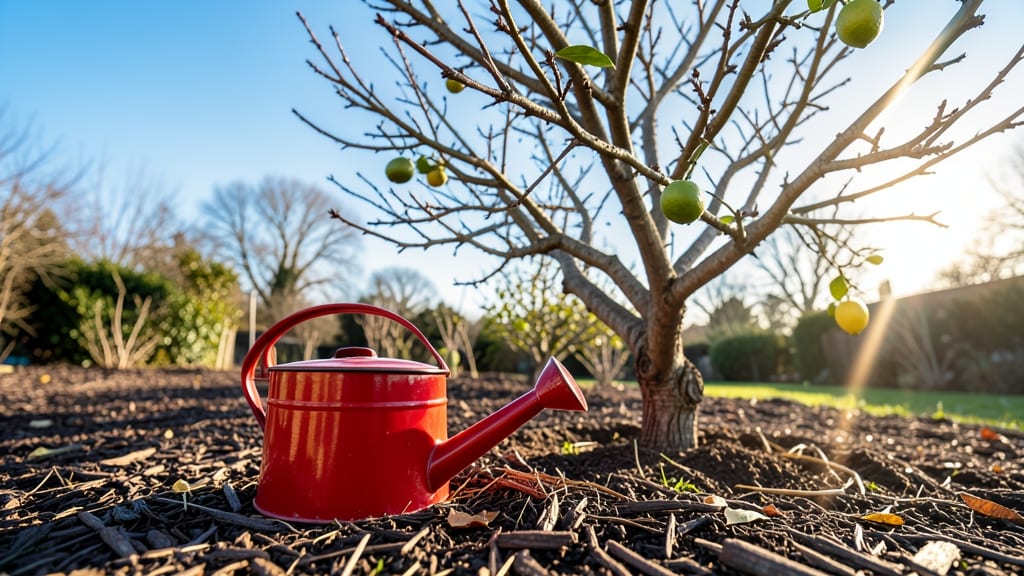
Your lemon tree lost all leaves in winter—don’t panic yet. 🌿 This happens more often than you’d think, and with the right steps, you can nurse it back to health. Cold stress, overwatering, or even dormancy can trigger this, but recovery is possible with targeted care.
First, check for frost damage by gently brushing off dead branches—if they snap like dry twigs, they’re beyond saving. For the rest, reduce watering (overly wet soil stresses roots in cold weather) and move potted trees indoors near a sunny window.
Prune dead growth in early spring, and within weeks, you’ll see fresh, vibrant foliage returning.
📚 In This Guide
- What you need
- Instructions
- Tips and common mistakes
- Wrapping up and next steps
What you need
- ● Pruning shears or clean, sharp scissors – For inspecting and trimming damaged branches.
- ● Gloves (gardening or work gloves) – Protects hands from thorns and sap.
- ○ Magnifying glass (optional but helpful) – To spot pests, fungal spots, or frost damage up close.
- ● pH test kit (soil) – Ensures your lemon tree’s soil is in the ideal 6.0–7.0 range.
- ○ Thermometer (optional) – To check soil temperature if frost is suspected.
- ● Watering can with a fine rose nozzle – For gentle hydration without disturbing roots.
- ● Balanced fertilizer (10-10-10 or citrus-specific) – 1–2 tbsp per gallon of water, diluted for feeding.
- ● Epsom salt (magnesium sulfate) – 1 tbsp per gallon of water to address nutrient deficiencies.
- ● Fungicide (copper-based or neem oil spray) – If fungal issues like anthracnose are suspected.
- ● Insecticidal soap or horticultural oil – For treating spider mites, scale, or aphids.
- ● Frost cloth or row covers – To protect the tree from future cold snaps (if planting outdoors).
- ● Grow lights or indoor heat source – If moving the tree indoors temporarily.
- ● Mulch (straw, wood chips, or pine needles) – 2–3 inches deep to insulate roots.
- ● Humidifier (for indoor trees) – Lemon trees thrive in 50–60% humidity.
- ● Pot with drainage holes (if repotting) – Ensure it’s 1–2 sizes larger than the current container.
- ● Well-draining potting mix (citrus blend) – Avoid heavy clay or garden soil.
How to diagnose and revive a lemon tree after winter leaf drop
Here’s how I assess and nurse a lemon tree back to health after a harsh winter—no guesswork, just actionable steps.
🌿 Step 1: Assess the Damage and Check for Life
Start by examining the tree’s stems and branches. A lemon tree that’s truly dead will have brittle, dry wood that snaps easily when bent. If the bark feels soft or oozes sap when scratched, the tree is still alive but severely stressed. I run my fingers along the branches—if I feel tiny buds or greenish tissue at the nodes, there’s hope.
Look for new growth at the base of the trunk or along the branches. Even a single shoot signals the tree’s trying to recover. If you spot any green, the tree’s just dormant and needs time to rebound. No green? Check the roots next—gentle prying with a trowel will reveal if they’re still firm and white underneath.
☀️ Step 2: Move or Protect from Further Cold Stress
If your lemon tree is outdoors, it’s likely in a zone too cold for its tolerance. Most citrus trees thrive in USDA zones 9-11 and need winter protection below 30°F. Move potted trees to a garage, shed, or covered porch where temperatures stay above 40°F. For in-ground trees, wrap the trunk and branches in burlap or frost cloth and add a 4-inch layer of mulch around the base to insulate roots.
If you can’t move the tree, create a DIY cold frame using clear plastic sheeting and PVC pipes to trap heat. Avoid heating pads or lights—they can dry the air and stress the tree further. The goal is to keep the tree alive until spring, not force growth.
💧 Step 3: Adjust Watering and Fertilizer Routine
Overwatering is the #1 killer of stressed trees. Wait until the top 2 inches of soil feel dry before watering—stick your finger in to check. Lemon trees in dormancy need less water, not more. If the soil stays soggy, roots suffocate, and the tree can’t recover. I water deeply but infrequently, aiming for once every 3-4 weeks unless it’s unusually hot or dry.
Hold off on fertilizer until new growth appears. Cold-stressed trees can’t process nutrients, and feeding too soon burns roots. Once you see fresh leaves, switch to a balanced citrus fertilizer (like 6-6-6) and apply it monthly during the growing season. Dilute it to half-strength the first time to avoid shock.
✂️ Step 4: Prune Dead Wood and Encourage New Growth
Use sterilized pruning shears to cut back any branches that are completely brown, mushy, or devoid of buds. Prune just above a leaf node or outward-facing bud to encourage new growth. I avoid heavy pruning—never remove more than 25% of the canopy at once. The tree’s energy is already drained; you’re not shaping it, you’re helping it heal.
After pruning, spray the cuts with pruning sealant to prevent disease. Then, place the tree in the brightest spot possible—even if it’s indoors near a south-facing window. Lemon trees need 6+ hours of light daily to recover. If natural light is weak, supplement with a grow light kept 6 inches away for 12 hours a day. Watch for new leaves within 4-6 weeks—that’s your sign it’s coming back.
🌱 Step 5: Monitor for Pests and Disease
Stressed trees attract pests like aphids, scale, or spider mites. Inspect the undersides of leaves (if any remain) and new growth for sticky residue or tiny webs. Spray with neem oil (mixed 1:10 with water) if you spot infestations. Neem oil is gentle but effective—reapply every 7-10 days until pests disappear. Avoid chemical pesticides; they’ll harm the tree further.
If you notice black spots, mold, or oozing sap, the tree might be infected with root rot or fungal disease. In that case, stop watering immediately and treat with copper fungicide. If the roots smell foul or are mushy, the tree may not recover—dig up a small section to check. Healthy roots should be firm and white, not dark or slimy.
Tips & tricks for reviving a cold-stressed lemon tree
Real talk: Your lemon tree isn't necessarily dead—it's just fighting to bounce back. Here's how to give it the best shot at recovery without making things worse.
The Survival Check: In Step 1, when you're checking for life signs, focus on the nodes—those small bumps where leaves used to attach. If you see any green tissue or tiny buds there, your tree is still alive. I've seen trees with just one tiny shoot come back stronger than ever. Don't give up if you only find a few signs—even a single bud can regrow into a whole branch.
Lighting Up the Recovery: After pruning in Step 4, place your tree in the brightest spot you can find. South-facing windows are ideal, but if natural light is weak, supplement with a grow light kept 6 inches away for 12 hours daily. I've had to use a combination of both—my kitchen window wasn't enough, so I added a simple LED grow light. The key is consistency; lemon trees need that light to trigger new growth.
Watering Wisdom: The instructions mention checking the top 2 inches of soil, but here's what nobody tells you—morning is the best time to water. This gives the roots time to absorb moisture before evening, reducing the risk of fungal issues. I also recommend using room-temperature water—cold water can shock the already-stressed roots. If your tree is in a pot, make sure it has drainage holes to prevent waterlogging.
Fertilizer Timing: Waiting for new growth before fertilizing is crucial, but here's the trick: test your soil first. Many citrus trees develop nutrient deficiencies after cold stress. Grab a soil test kit (they're cheap) to check pH and nutrient levels. If your soil is acidic (below 6.0), add some pelletized lime before applying fertilizer. I've saved multiple trees this way when they weren't responding to regular feeding.
Pro Tips for Lemon Tree Lost All Leaves In Winter
- Real talk: Your lemon tree isn't necessarily dead—it's just fighting to bounce back.
- The Survival Check: In Step 1, when you're checking for life signs, focus on the nodes—those small bumps where leaves used to attach.
- Lighting Up the Recovery: After pruning in Step 4, place your tree in the brightest spot you can find.
Frequently asked questions
If your lemon tree lost all its leaves in winter, you’re not alone—this is a common concern! Here are answers to the most pressing questions to help you diagnose, act, and recover your tree.
Is it normal for a lemon tree to lose all leaves in winter?
Yes, but it depends on your climate. In colder zones (USDA 9 or below), lemon trees (Citrus × limon) are not cold-hardy and may drop leaves to conserve energy. If your tree is in a milder zone, leaf loss could signal stress from frost, drafts, or improper care. Monitor for new growth in spring—healthy buds indicate survival!
How cold is too cold for a lemon tree?
Lemon trees thrive in 60–85°F and suffer damage below 32°F. A single frost (28–32°F) can cause leaf drop, while prolonged cold (below 25°F) risks bark damage or death. If your tree lost leaves but the trunk feels firm (not mushy), it may recover with protection and patience.
What should I do if my lemon tree’s leaves turn brown and crispy?
Crispy, brown leaves often mean freeze damage. Prune affected branches back to healthy green wood (use sterilized shears ) to encourage new growth. Avoid fertilizing until spring—focus on watering lightly (only when soil is dry) and wrapping the trunk with burlap or frost cloth for next winter.
Can I force my lemon tree to regrow leaves faster?
Patience is key! While you can’t rush regrowth, you can optimize conditions:
- Move potted trees to a sunny, sheltered spot (e.g., near a south-facing wall).
- Ensure well-draining soil—waterlogged roots worsen stress.
- Avoid heavy pruning until spring; light trimming removes dead wood without shocking the tree.
Should I replace my lemon tree if it loses all leaves?
Not yet! Many lemon trees recover fully with proper care. If the trunk is firm, green beneath the bark, and buds form in spring, hold off on replacing it. However, if the tree shows no signs of life by late spring (no buds, mushy trunk, or mold), it’s likely dead and should be removed.
Pro Tip:
Use a thermometer to track winter temps near your tree. Log data to adjust care next year—this helps prevent repeat stress!
Wrapping up and next steps
Don’t worry—your lemon tree isn’t doomed! 🌱 A little patience and care can bring it back to life.
Winter leaf loss is often temporary, and with the right adjustments (like proper watering, pruning, or protection), your tree will bounce back stronger than ever. Next steps? Monitor its progress, stay consistent with care, and celebrate small signs of recovery—like new buds or leaves!
Pro tip: If your tree still struggles, consider consulting a local arborist for personalized advice. Your lemon tree’s comeback is totally within reach! 🍋✨