
Pruning
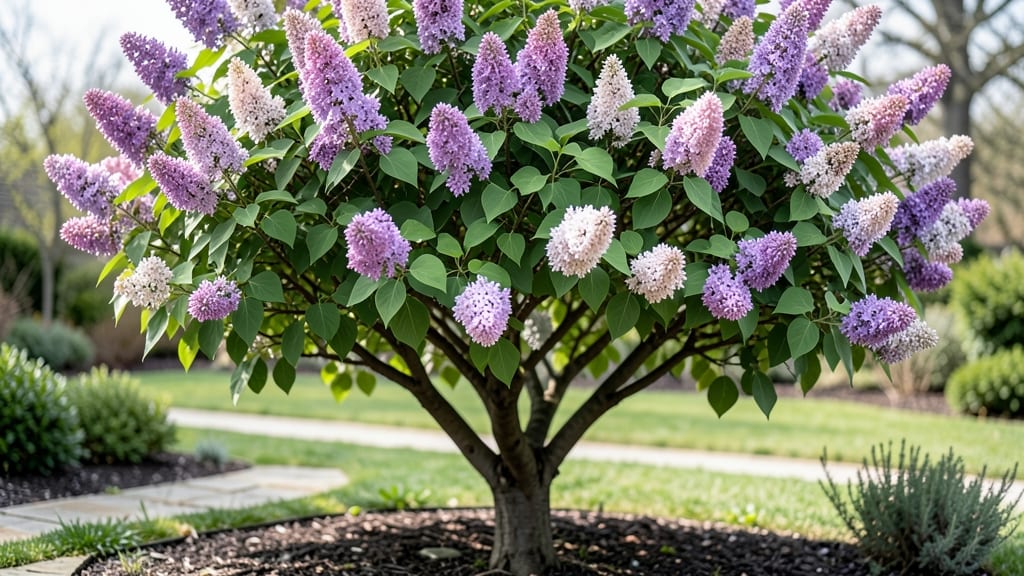
The Lila tree in English is called the lilac tree (Syringa vulgaris), a beloved garden plant celebrated for its intoxicating spring fragrance and easygoing nature. Quick-start varieties like 'Tinkers' and 'Dwarf Korean' grow rapidly in most temperate climates with basic upkeep.
The name "lilac" comes from its signature lavender-purple flowers, which pack a heady scent that can fill entire neighborhoods in late spring. 🌸 These trees aren't just pretty—they're also hardy, surviving everything from city pollution to rural windstorms once established.
What makes them especially appealing to gardeners is their low-maintenance reputation: they handle drought better than many flowering shrubs and bloom reliably year after year with minimal pruning.
If you're looking for fast results, the 'Tinkers' variety grows about 2 feet per year and reaches maturity in just 3-5 years, while 'Dwarf Korean' stays compact but still packs a fragrant punch. Both varieties produce abundant blooms that attract pollinators, making them a smart choice for eco-friendly landscaping.
💡 In This Article
- Why Lilac Trees Are Popular in Gardens
- Top 3 Fast-Growing Lilac Varieties for Beginners
Why lilac trees are popular in gardens
Lilac trees (Syringa vulgaris) have dominated gardens for centuries thanks to their unique combination of fragrance and hardiness. The flowers contain volatile organic compounds like linalool and benzyl acetate, which create that signature sweet, floral aroma that can linger in the air for blocks.
These compounds are released most intensely during the day when temperatures reach 60-75°F, making late spring mornings the peak scent time. 🌿 The fragrance isn't just pleasant—it's also evolutionarily designed to attract pollinators, which explains why bees and butterflies flock to lilac blooms.
Botanically, lilacs thrive in USDA hardiness zones 3-7, meaning they can survive winters as cold as -40°F while also tolerating summer heat up to 90°F with proper watering. Their deep root systems (reaching 3-5 feet deep) make them drought-resistant once established, unlike many ornamental plants that wilt under stress.
This adaptability is why you'll find lilacs in everything from urban parks to rural homesteads—they perform equally well in clay soil or well-draining loam.
Their cultural significance adds to their popularity. Lilacs symbolize renewal and first loves in many traditions, which is why they're often planted near homes or romantic spots.
In landscaping, their upright growth habit (typically 10-20 feet tall) creates natural focal points, while their dense foliage provides seasonal interest—lush green in summer, golden-yellow in fall, and bare branches that offer winter structure.
Unlike roses that require constant care, lilacs reward gardeners with decades of blooms with just annual pruning.
What most gardeners don't realize is how their flowering mechanism works. Lilacs bloom on old wood (last year's growth), which means aggressive pruning can actually reduce next year's flowers. The key is strategic pruning after blooming to shape the tree without cutting back more than 1/3 of the stems.
This botanical quirk explains why many lilacs produce fewer flowers after heavy pruning—it takes 2-3 years for new stems to mature enough to bloom again.
Consider these practical advantages that make lilacs stand out:
- Pollinator magnet: Attracts bees, butterflies, and hummingbirds with their nectar-rich flowers
- Low-maintenance: Requires only seasonal pruning and occasional watering after planting
- Multi-season interest: Provides visual appeal from spring blooms to winter structure
- Air quality boost: Helps filter pollutants through their extensive foliage
Their purple-blue flowers also create stunning color contrasts with greenery, making them perfect for cottage gardens or modern landscapes alike. Whether you're drawn to their scent, hardiness, or symbolic meaning, lilacs deliver year-round value with minimal effort. 💜