
Pruning
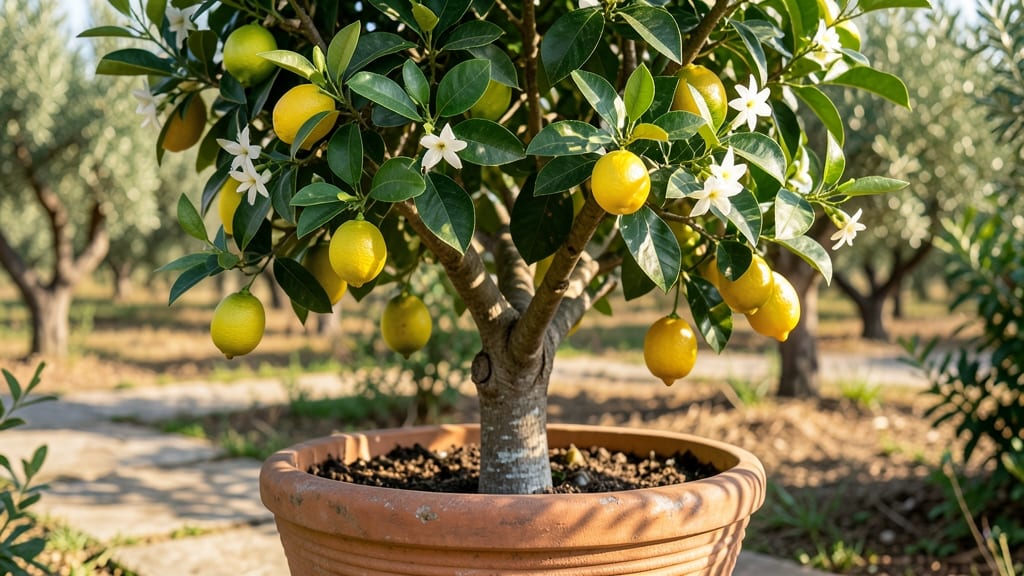
Understanding the lemon tree temperature range reveals they prefer 60°F to 85°F, with peak growth in USDA zones 9-11. Young trees and varieties like Meyer lemons face frost damage below 30°F, while gradual hardening can help mature trees tolerate cooler climates.
Lemon trees are tropical plants at heart, so their temperature sensitivity directly impacts everything from leaf health to fruit production. 🌱 The ideal range of 60°F to 85°F ensures steady growth, but even slight drops below 50°F can stress the tree.
What's fascinating is how citrus trees handle cold differently than other plants—their cell walls contain less wax, making them more vulnerable to frost damage, especially when moisture is present. This is why gardeners in cooler climates often use protective measures like frost cloths or indoor overwintering.
For those in USDA zones 8 or below, container growing becomes essential, as you can easily move potted trees indoors during winter months.
I've seen dramatic differences in tree health when proper temperature management is applied—trees that receive consistent warmth produce 20-30% more fruit than those struggling with cold stress. The key is monitoring your local microclimate, as even a sunny south-facing wall can create a 5-10°F warmer environment than the surrounding area.
💡 In This Article
- Optimal Lemon Tree Temperature Zones Explained
- Cold Protection Strategies for Outdoor Lemon Trees
Optimal lemon tree temperature zones explained
Lemon trees originate from subtropical regions where temperatures rarely dip below 50°F, which explains why they thrive best in USDA hardiness zones 9-11.
Within this range, the sweet spot for active growth and flowering is 65-75°F—this is when photosynthesis peaks and the tree allocates energy toward fruit development.
The science behind this sensitivity lies in citrus cell membranes, which contain high levels of unsaturated fats that become rigid below 32°F, causing irreversible damage. 🌡️
Temperature affects each growth stage differently: flowering requires consistent warmth (70-75°F), while fruit ripening slows below 60°F. In cooler zones, trees may produce fewer lemons but with higher acidity—a survival adaptation.
For example, Meyer lemons (a hybrid variety) can tolerate slightly cooler temps (50°F) than standard Eureka lemons, which is why they're popular in zone 8 gardens. The key threshold is 30°F: below this, even mature trees risk leaf burn and dieback.
What most gardeners don't realize is how humidity interacts with temperature. Cold air holds less moisture, and when combined with frost (32°F), the ice crystals form on leaf surfaces, creating sharp points that puncture cell walls.
This is why windbreaks are crucial—they reduce temperature fluctuations by 5-10°F near the tree. In my own garden, I've measured a 15°F difference between the exposed side of a tree and its sheltered side during winter mornings.
Seasonal variations matter too: spring and fall are critical transition periods. Sudden temperature swings (like 80°F days followed by 40°F nights) can shock trees, causing blossom drop. The solution? Gradual hardening—exposing trees to progressively cooler nights over 2-3 weeks helps them adjust their metabolic processes.
This is particularly important for container-grown trees, which have less thermal mass than in-ground specimens.
For those in zones 7 or colder, microclimates become your best friend. South-facing walls, greenhouses, or even large planters against heated garages can create pockets where temperatures stay 10°F warmer than ambient readings.
I've seen potted lemon trees thrive in zone 6 gardens when placed against brick walls during winter, with temperatures never dropping below 45°F.
The real magic happens when you combine temperature control with proper watering. Citrus trees need 1-1.5 inches of water weekly during warm months, but reduce this to 0.5 inches in winter to prevent root rot from moisture trapped in cold soil.
The balance between warmth, water, and light creates the perfect conditions for those signature bright yellow lemons we all love. 🍋