
Pruning
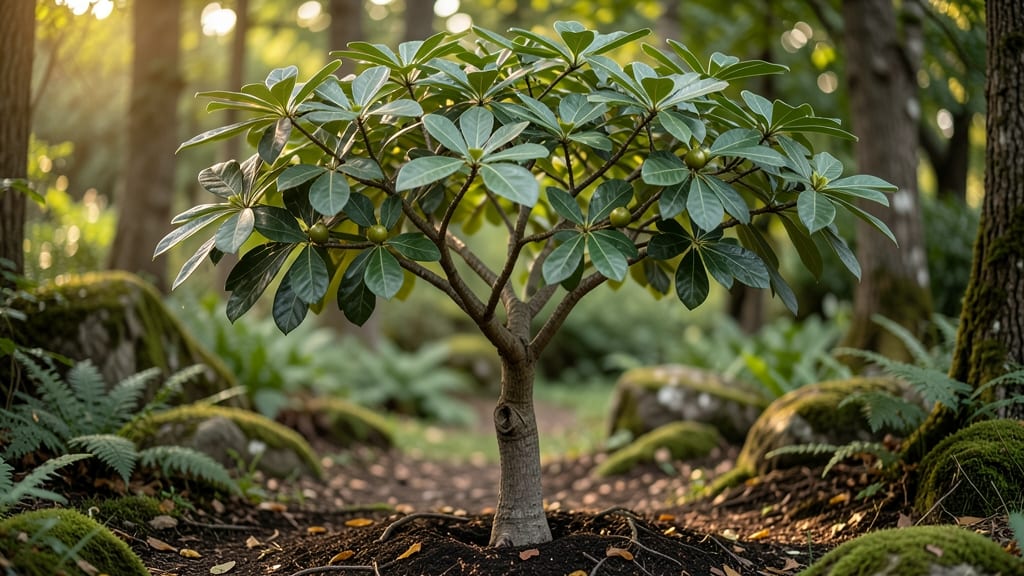
A stink tree picture should capture its signature traits: broad, glossy leaves with jagged edges, deeply grooved gray bark, and round fruits that release a strong odor when damaged. These visual markers help distinguish it from look-alikes like tulip poplars or sycamores.
Stink trees are instantly recognizable once you know what to look for in photos.
The leaves are the first clue—large, oval-shaped, and arranged alternately along the branches, with serrated edges that catch light beautifully in images. 🌿 The bark is another standout feature, developing deep furrows as the tree matures, creating a textured pattern that's perfect for close-up shots.
As for the fruit, photographers often capture the moment when the skin splits open, revealing the pungent seeds inside—a defining characteristic that sets this tree apart from others in the landscape.
The key to a great stink tree photo lies in composition. Focus on contrast between the glossy leaves and rough bark, and include a reference object (like a hand or ruler) to emphasize the tree's size. Early morning light softens shadows, while midday sun highlights the leaf edges.
For fruit shots, a macro lens or smartphone with a high-resolution camera captures the fine details of the seed pods that give the tree its infamous name.
💡 In This Article
- Key Botanical Features of Stink Tree Leaves, Bark, and Fruit
- How to Photograph Stink Tree Features for Accurate Identification
Key botanical features of stink tree leaves, bark, and fruit
The stink tree's leaves are its most striking visual feature, measuring 5-12 inches long with a glossy, dark green surface that reflects light beautifully in photographs.
The serrated edges create a saw-tooth pattern when viewed closely, a detail that helps distinguish it from similar trees like the tulip poplar, which has smoother leaf margins.
The leaves are arranged alternately along the branches, forming a spiral pattern that botanists call phyllotaxy—this arrangement maximizes sunlight exposure while minimizing overlap.
The bark of a mature stink tree develops into a thick, grayish-brown armor with deep, irregular furrows that resemble a cracked earthen surface. These grooves become more pronounced as the tree ages, creating a textured pattern that's perfect for close-up photography.
The bark's rough texture contrasts sharply with the smooth leaves, offering photographers a natural composition of opposing surfaces.
What makes this bark unique is its ability to peel in thin sheets, revealing a lighter, almost chalky underlayer—a feature that sets it apart from sycamores, whose bark peels in larger, papery flakes.
The fruit is where the stink tree earns its name, producing small, round seed pods that emit a foul odor when crushed. This pungent smell comes from compounds like methyl salicylate and benzaldehyde, which are released when the fruit's skin is damaged.
These chemicals serve as a natural defense mechanism, deterring herbivores from eating the seeds. In photographs, the fruit often appears in clusters, with each pod measuring about 1/2 inch in diameter and turning from green to brown as it matures.
The contrast between the glossy leaves and the matte, textured fruit creates a visually striking subject for macro photography.
What most people don't realize is how the stink tree's features change with seasons. In spring, the leaves emerge a vibrant red before turning green, offering photographers a stunning seasonal palette.
The bark's color deepens from gray to a rich brown as the tree matures, while the fruit's odor becomes stronger in late summer when the pods are fully developed. These seasonal variations provide multiple opportunities to capture the tree's evolving beauty throughout the year.
For those studying botany, the stink tree's scientific name, Carya illinoinensis, reflects its Illinois origin, though it's now found across the eastern United States. The tree's distinctive features make it a favorite subject for botanical illustrators and nature photographers alike.
Its combination of glossy foliage, textured bark, and aromatic fruit creates a visual and olfactory experience that's hard to replicate in other tree species.
When photographing the stink tree, focus on these three key elements: the leaf arrangement (spiral pattern), the bark texture (deep furrows), and the fruit clusters (pungent pods). Each element tells a story about the tree's biology and ecology, making it a fascinating subject for both amateur and professional photographers.