
Pruning
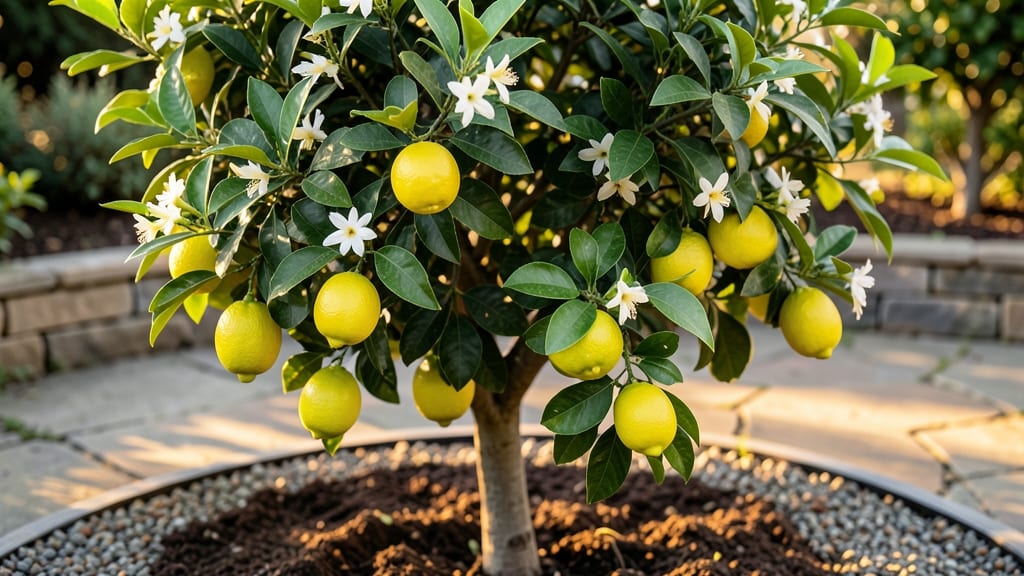
Your lemon tree thrives best within the lemon tree temp range of 60°F to 85°F—anything outside that stresses it, and frost kills it instantly. 🌿 I learned this the hard way when my first lemon tree lost all its leaves overnight after a surprise freeze, though it bounced back with proper care.
The key isn’t just avoiding cold snaps—it’s understanding how your local climate affects growth year-round, whether you’re growing in a pot on a patio or in the ground.
Most lemon trees (like Meyer or Eureka varieties) handle heat better than cold, but prolonged heatwaves above 90°F can scorch leaves and reduce fruit production. The real battle is winter: even a light frost below 28°F damages branches, while temperatures between 30°F and 40°F slow growth.
Here’s the trick—if you live in zones 9-11, you can grow them outdoors year-round; outside that, you’ll need to bring them inside or protect them with frost cloth and heat lamps.
With the right adjustments, your lemon tree can produce fruit twice a year—even in colder climates. I’ve seen potted lemon trees in Zone 5 thrive in a sunny garage during winter, then move outside in spring when soil temps hit 65°F.
The payoff? Juicy lemons straight from your tree, not the store, and a plant that lives for decades with minimal fuss.
Indoor growers face different challenges—dry air from heaters and lack of sunlight can stunt growth. A simple solution is a humidifier near the tree and a grow light during winter months.
Whether you’re in the desert or the Midwest, these small tweaks keep your lemon tree happy, healthy, and bearing fruit all year long.
How Temperature Stress Harms Lemon Trees
Lemon trees thrive in specific temperature ranges, and when those conditions stray too far from ideal, the plant reacts in predictable—and often damaging—ways. Understanding why temperature extremes hurt your citrus tree helps you take corrective action before damage becomes permanent.
Below, we break down the science behind the stress, from cellular-level disruptions to long-term growth stunts.
Lemon trees (Citrus × limon) are subtropical natives, meaning they evolved in regions with mild winters and warm summers. When temperatures dip below their optimal cold tolerance (25–30°F), several physiological processes go haywire:
1. Cell Membrane Freezing 🧊
Cold stress causes water inside plant cells to crystallize, rupturing delicate cell membranes. This disrupts:
- Nutrient transport: Ions like potassium and calcium can’t move efficiently, leading to nutrient deficiencies (e.g., yellowing leaves, weak stems).
- Photosynthesis collapse: Chloroplasts (the plant’s solar panels) malfunction when their internal structures freeze, causing leaf drop and stunted growth.
- Root asphyxiation: Cold soil reduces oxygen availability, suffocating roots and triggering root rot if combined with wet conditions.
2. Hormonal Chaos ⚗️
Extreme cold triggers a cascade of stress hormones, including:
- Abscisic acid (ABA): Signals stomata (leaf pores) to close, reducing water uptake and photosynthesis.
- Ethylene spike: Accelerates leaf senescence (aging), causing premature fruit drop and branch dieback.
Result: The tree diverts energy to survival instead of flowering or fruiting.
3. Pathogen Invasion 🦠
Frozen tissue becomes an open door for fungi and bacteria. Common cold-related diseases include:
- Fungal leaf spot (e.g., Phyllosticta citricarpa)
- Bacterial canker (Xanthomonas axonopodis)
Weakened trees can’t fight off infections, leading to systemic rot.
While lemon trees love warmth, temperatures consistently above 95°F (or sudden spikes) push them beyond their comfort zone. Heat stress manifests in three key ways:
1. Protein Denaturation 🧬
Enzymes and structural proteins in lemon tree cells unfold at high temperatures, disrupting:
- Photosynthesis: Rubisco (the enzyme that fixes CO₂) becomes less efficient, reducing sugar production.
- Water regulation: Stomata close to prevent dehydration, but this also traps heat inside leaves, causing scorch (brown, crispy edges).
2. Root Zone Suffocation 🌱💨
Hot soil (above 90°F) reduces microbial activity, starving roots of:
- Nitrogen (critical for leaf growth)
- Phosphorus (energy transfer)
Result: Roots shrink back, and the tree signals wilting even when soil is moist—a classic sign of heat stress.
3. Fruit Abortion 🍋❌
High temperatures during flowering (above 104°F) cause:
- Pollination failure (pollen grains become nonviable).
- Fruitlets dropping within weeks of setting (a condition called physiological drop).
Even if fruit survives, heat reduces acidity and sugar content, making lemons bland or seedy.
Lemon trees hate rapid fluctuations—especially when night temperatures drop 15°F+ below daytime highs. This "thermal shock" creates:
1. Osmotic Imbalance 💧⚖️
Diurnal swings cause water to move unpredictably in and out of cells, leading to:
- Blossom end rot in fruit (black, leathery patches).
- Leaf curl (a defensive response to sudden cold snaps).
2. Metabolic Confusion 🧠
Plants rely on stable temperatures to regulate growth hormones. Swings disrupt:
- Gibberellins (promote stem elongation)
- Auxins (root development)
Result: Stunted growth, weak wood, and increased susceptibility to wind damage.
Even in "ideal" zones, local conditions can override hardiness. Key factors:
- Urban heat islands: Pavement and buildings trap heat, raising soil temps by 10–15°F.
- Wind exposure: Cold wind evaporates moisture faster, making 40°F feel like 20°F.
- Reflective surfaces: Light-colored walls or sand reflect heat, baking roots.
Actionable fix: Monitor your tree’s microclimate with a soil thermometer (ideal root zone: 60–75°F).
Adjusting Your Lemon Tree’s Climate
If your lemon tree is struggling with temperature stress, don’t panic—there are practical ways to restore its health and protect it from future extremes. Below, we’ve mapped common temperature-related issues to actionable fixes, plus prevention tips to keep your tree thriving year-round. 🌡️🍋
Cause: Temperatures above 90°F (32°C) for prolonged periods can scorch leaves, stunt growth, or even kill young trees.
Fix It: 🔥 Provide Shade Strategically
- Use 50% shade cloth (white or neutral density) to filter direct sunlight during peak afternoon heat (12 PM–4 PM).
- Pro tip: Avoid full shade—lemon trees still need 4–6 hours of morning sun for photosynthesis. 🌞
🍳 Boost Hydration (Without Overwatering)
- Water deeply 2–3 times per week (check soil moisture 2 inches down—if dry, water).
- Use drip irrigation or soaker hoses to keep roots cool and evenly moist.
- Warning: Avoid wetting leaves at night to prevent fungal diseases. 💦
👨🍳 Mulch Like a Pro
- Apply 3–4 inches of organic mulch (straw, wood chips, or pine bark) around the base (keep it 6 inches away from the trunk).
- Mulch acts like an insulator, keeping roots 5–10°F cooler during heatwaves. 🌿
⏰ Adjust Care During Heatwaves
- Pause fertilizing—hot roots can’t absorb nutrients well.
- Prune lightly to reduce leaf surface area (less water loss).
Cause: Temperatures below 32°F (0°C) damage leaves, flowers, and even the tree’s vascular system. Young trees or newly planted ones are most vulnerable.
Fix It: 🔪 Protect with Physical Barriers
- Cover the tree with a frost blanket or burlap sack at dusk, securing it tightly. Add straw or cardboard around the base for extra insulation.
- For potted trees, move them to a garage, shed, or covered porch (but avoid freezing temps below 40°F/4°C). ❄️
🌡️ Warm the Air Around It
- Place incandescent light bulbs (60W) near the tree at night—they emit heat, not just light.
- Pro tip: Use black plastic mulch during the day to absorb heat, then remove it at night to prevent frost pockets. 🔦
🎯 Prevent Root Freeze
- Water the tree thoroughly before the first frost—moist soil retains heat better than dry soil.
- For container trees, bury pots in the ground (up to the rim) or wrap them in bubble wrap.
💡 Post-Frost Recovery Care
- Trim only dead or blackened branches (healthy green tissue may regrow).
- Apply a balanced fertilizer (10-10-10) in spring to help the tree bounce back.
Prevention is key! Follow these habits to keep your lemon tree in its ideal 60–85°F (15–29°C) range:
| Season | Do This | Avoid This |
|---|---|---|
| Spring | Acclimate gradually to outdoor temps (harden off). | Moving trees too quickly between indoor/outdoor. |
| Summer | Prune in early spring (not summer) to reduce heat stress. | Overhead watering in heat. |
| Fall | Mulch heavily before first frost. | Fertilizing late in the season. |
| Winter | Group potted trees together for shared warmth. | Letting soil dry out completely. |
- Urban growers: Place your lemon tree near a south-facing wall (absorbs and radiates heat).
- Container growers: Use black pots in summer to absorb heat, switch to white or silver pots in winter to reflect sunlight.
- Indoor-outdoor swappers: Keep a heat mat (like those for seedlings) under potted trees in winter to maintain root warmth. 🏡🌱
Frequently asked questions
What’s the best way to protect a lemon tree from sudden frost?
Wrap the tree in a frost blanket or burlap sack at dusk, and add straw or cardboard around the base for insulation. For potted trees, move them to a garage or covered porch where temps stay above 40°F. A 60W incandescent bulb near the tree at night adds extra warmth without light damage.
Can lemon trees survive in containers during winter?
Yes, but they need protection. Bury the pot halfway in the ground or wrap it in bubble wrap to insulate roots. Group multiple potted trees together—they share warmth. Avoid drafty areas like uncovered patios, and use a heat mat under the pot if temps drop below 50°F.
How do I know if my lemon tree is too hot?
Watch for scorched leaf edges, wilting despite moist soil, or premature fruit drop. If daytime temps exceed 95°F for days, provide 50% shade cloth and water deeply 2–3 times per week. Mulch with 3–4 inches of organic material to keep roots cool.
Do lemon trees need different care in high-altitude climates?
Yes—cooler mountain air feels 10–15°F colder than lowland temps. Plant near south-facing walls to absorb heat, and use black pots in summer (they absorb sunlight) but switch to white pots in winter to reflect warmth. Acclimate potted trees gradually when moving them between indoor and outdoor spaces.
Will my lemon tree recover after a hard freeze?
It depends! If only leaves/blooms froze, new growth may sprout from the trunk. Trim only dead blackened branches—healthy green tissue can regrow. Apply balanced fertilizer (10-10-10) in spring to support recovery. If the trunk cracked, the tree likely won’t survive.