
Container Gardens
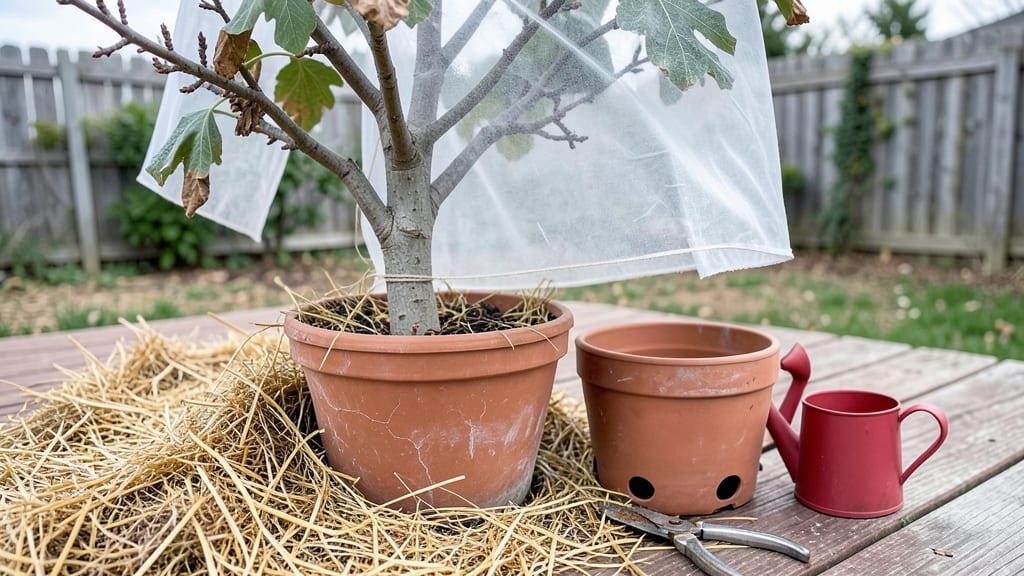
Your potted fig tree can survive winter with the right care—no frost damage in sight. 🌿 I’ve kept my figs thriving through subzero temps by adjusting water, light, and protection, and you can too. The key is mimicking their natural Mediterranean climate indoors or under shelter.
Start by moving your fig to a sunny indoor spot near a south-facing window or under grow lights. Reduce watering to every 2-3 weeks—overwatering is the #1 winter killer. Wrap the pot in bubble wrap or burlap to insulate roots from cold drafts, and avoid sudden temperature swings.
Prune lightly in early spring to remove dead wood, but hold off until after last frost. A light feeding with half-strength fertilizer in late winter jumpstarts growth. With these tweaks, your fig will bounce back stronger than ever—ready to burst into leaf by May.
Works for both dwarf varieties and larger potted figs. The same principles apply whether you’re in Zone 4 or a frost-prone balcony. Here’s how to keep yours alive until spring without losing a single branch.
📚 In This Guide
- What you need
- Instructions
- Tips and common mistakes
- Wrapping up and next steps
What you need
- ● Potting mix: Well-draining, organic-rich blend (e.g., 60% potting soil + 30% perlite + 10% compost). Quantity: Enough to refresh the top 2–3 inches of soil (1–2 gallons per 12" pot).
- ● Slow-release fertilizer: Balanced (10-10-10 or 20-20-20) for late winter feeding. Quantity: 1–2 tbsp per gallon of soil.
- ● Mulch: Straw, pine needles, or shredded leaves (avoid fresh wood chips). Quantity: 2–3 inches thick around the pot (but not touching the trunk).
- ● Watering can: With a narrow spout for gentle hydration. Size: 1–2 gallons.
- ● Thermometer: Digital soil or air thermometer (to monitor temps below 40°F/4°C).
- ● Frost cloth or bubble wrap: Breathable, 30–50g weight. Size: Large enough to drape over the pot + extend 6–12" above the plant.
- ● Container insulation: Pool noodles, foam board, or bubble wrap strips. Use: Wrap around the pot’s sides (1–2 inches thick).
- ○ Support stake or trellis: (Optional but helpful for large/heavy pots). Material: Untreated wood or metal.
- ● Heating mat: Low-wattage (5–10W/sq ft) for pots in freezing zones (<30°F/-1°C).
- ● Grow lights: LED or fluorescent (12–14 hours/day) if natural light drops below 6 hours.
- ● Humidity tray: With pebbles and water to boost moisture in dry indoor spaces.
- ● Pruning shears: Sharp, sterilized (for post-winter cleanup).
- ● Pot feet or casters: To elevate pots off cold surfaces (e.g., concrete).
Step-by-Step instructions for potted fig tree winter care
Here’s how I keep my potted fig trees thriving through winter—no frost damage in sight.
🪴 Step 1: Move Trees to a Sheltered, Bright Location
Fig trees hate cold drafts but love winter light. Place your pots near an unheated garage, covered patio, or even a sunroom where temperatures stay above 30°F. If you’re in a colder zone, a basement with a south-facing window works—just avoid freezing floors.
Watch for drafty spots near doors or windows. A gentle breeze won’t hurt, but a howling wind will shock the tree. You’ll know it’s in the right spot when the leaves stay firm and green, not crispy or yellowing.
⏰ Step 2: Reduce Watering and Monitor Soil Moisture
Figs go dormant in winter, so they need far less water. Stick your finger 1-2 inches into the soil—if it’s dry, water lightly until moisture reaches 3-4 inches deep. Overwatering now causes root rot, which kills trees faster than frost.
I check soil moisture every 7-10 days unless my home is extremely dry. A pot’s weight drops noticeably when it’s time to water—lift it to test. If the soil feels damp but not soggy, wait another week.
☀️ Step 3: Protect Leaves from Freezing Temperatures
When nights dip below 25°F, cover the tree with frost cloth or a breathable blanket secured loosely at the top. Figs can handle brief cold snaps, but prolonged freezing damages leaves and buds. Leave the cover off during the day to prevent overheating.
If you’re in a Zone 7 or colder, move the pot into a garage or shed for the harshest months. A single freeze below 15°F can kill a potted fig outright—don’t gamble on “it’ll be fine.”
✂️ Step 4: Prune Dormant Branches in Early Spring
Wait until late winter or early spring (when buds swell but haven’t broken) to prune. Remove any dead, broken, or crossing branches first—these won’t regrow. Then trim back 1/3 of the canopy to encourage airflow and fruit production.
Use sterilized pruners to avoid spreading disease. You’ll see fresh green growth within 2-3 weeks if the tree is healthy. If branches stay bare, it’s a sign of winter stress—adjust next year’s care.
🌱 Step 5: Fertilize Lightly in Early Spring
Hold off until March or April, when new growth starts. Use a balanced 10-10-10 fertilizer at half strength—figs wake up slowly and don’t need heavy feeding yet. Scratch the granules into the top 2 inches of soil and water deeply.
Too much fertilizer now burns roots. You’ll know it’s working when bright new leaves appear within 4-6 weeks. If the tree hesitates, it’s still recovering from winter—wait another week before reapplying.
Tips & tricks for perfect potted fig tree winter care
Keeping your fig tree alive through winter isn't just about survival—it's about setting it up for a spectacular spring. Here's what I've learned after years of trial and error with my own trees.
Location Intelligence: The 30°F minimum temperature isn't just a number—it's the threshold where fig trees start showing stress. I've found that placing pots against south-facing walls captures extra winter sun without overheating. For extra protection, add a layer of bubble wrap around the pot itself (yes, really!) to create an insulating barrier against cold drafts.
Watering Wisdom: Those 7-10 days between waterings can feel like forever, but remember—figs are dormant for a reason. I've ruined trees by overwatering, so I always test moisture by lifting the pot. If it feels noticeably lighter than when it was last watered, that's your cue. Pro tip: Use a moisture meter for 1-2 inches depth—it's more accurate than your finger test.
Frost Protection Hacks: When temperatures drop below 25°F, I double up on protection. First, wrap the pot in insulating foam (available at garden centers), then cover with frost cloth. For extreme cold (15°F or below), I move the entire wrapped pot into an unheated garage. The key is to avoid sudden temperature swings—never move a covered tree from inside to outside without acclimating it first.
Pruning Preparation: That 1/3 canopy trim in Step 4 isn't arbitrary—it's about balance. I always prune on a dry, sunny day to reduce disease risk. Sterilize your tools with rubbing alcohol between cuts, and make sure to seal larger cuts with pruning sealant. This prevents sap loss and infection, which can weaken your tree during its vulnerable dormant period.
Pro Tips for Potted Fig Tree Winter Care
- Keeping your fig tree alive through winter isn't just about survival—it's about setting it up for a spectacular spring.
- Location Intelligence: The 30°F minimum temperature isn't just a number—it's the threshold where fig trees start showing stress.
- Watering Wisdom: Those 7-10 days between waterings can feel like forever, but remember—figs are dormant for a reason.
Frequently asked questions
Got questions about keeping your potted fig tree thriving through winter? You’re not alone! Here are some of the most common concerns—and straightforward answers to help you prep like a pro.
How cold is too cold for a potted fig tree in winter?
A potted fig tree can handle light frosts (down to 25°F (-4°C) for short periods), but prolonged exposure below 20°F (-7°C) risks damage. If your area dips lower, move it indoors or use frost cloths. Young trees or dwarf varieties are especially sensitive—prioritize protection!
Can I leave my potted fig tree outside all winter?
It depends! If you live in USDA Zones 8–10, your fig tree may survive outdoors with a thick mulch layer and wind protection. For colder zones, bring it indoors near a sunny window or a garage with consistent temps above 30°F (-1°C). Avoid drafty spots—figs hate temperature swings!
What do I do if my fig tree’s leaves drop in winter?
Leaf drop is normal in winter! Fig trees are deciduous and conserve energy by shedding foliage. If leaves turn brown or crispy, it’s likely cold stress—relocate the pot to a warmer spot. Avoid watering until spring (overwatering in cold soil = root rot). New growth will return when temps rise!
Should I prune my potted fig tree in winter?
Light pruning in late winter (Feb–March) helps shape the tree and remove dead wood. Avoid heavy cuts—figs bloom on new growth, and pruning too early can delay spring fruiting. Use sterilized shears to prevent disease, and focus on open-air circulation to reduce moisture buildup.
What’s the best indoor spot for a potted fig tree in winter?
Place your fig tree near a south-facing window where it gets 6+ hours of sunlight daily. Avoid heat vents or cold drafts (like near sliding doors). If indoor light is dim, supplement with a grow light 12–14 hours/day. Rotate the pot weekly for even growth!
My fig tree’s leaves are yellow—is it dying?
Yellow leaves often signal overwatering or nutrient deficiency. Check the soil—it should be slightly dry before watering. Feed your tree in early spring with a balanced fertilizer (10-10-10) to revive growth. If yellowing persists, test for pests like spider mites (common in dry winter air).
Wrapping up and next steps
With the right winter care, your potted fig tree can thrive even in colder months—proving that chilly seasons don’t have to mean goodbye to your leafy green friend! 🌿❄️ From cozying up with frost cloths to monitoring moisture and light, these simple steps ensure your tree stays healthy until spring.
Now that you’re armed with expert tips, take action: inspect your fig tree’s winter setup this week and make any adjustments before the next frost hits. Your future harvest (or just a happy, lush plant!) will thank you!