
Pruning
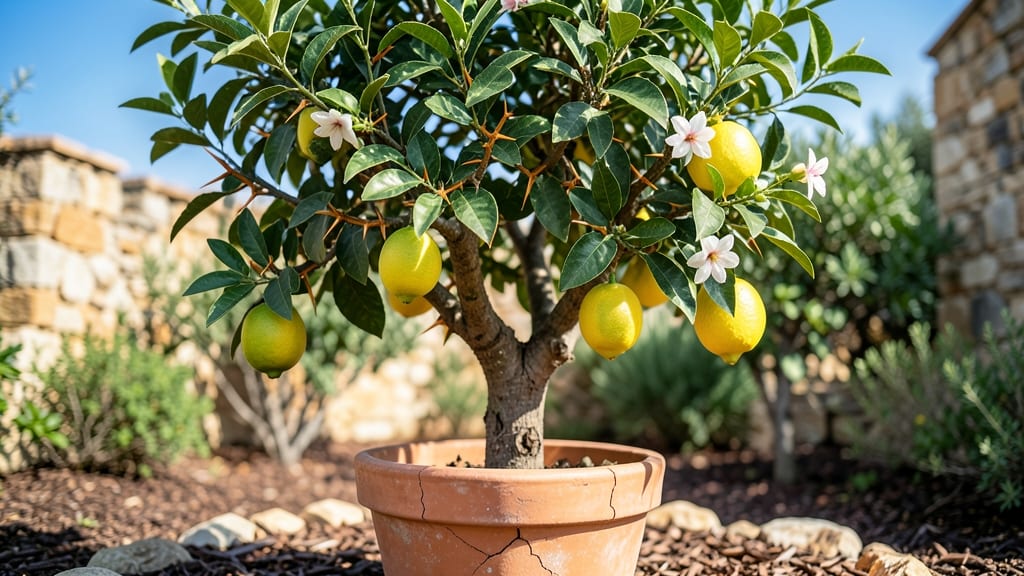
Lemon tree thorns aren't poisonous, but their sharp barbs can turn pruning into a painful chore. 🌿 I've learned the hard way—bloodied fingers and ruined gloves prove even the toughest gardeners need protection when working with these spiky citrus trees.
The real danger isn't toxicity, but the risk of deep punctures that invite infection when ignored.
Those thorns develop as the tree matures, especially when overcrowded or stressed. Pruning triggers their defensive response, making every cut a potential skin battle. The good news? Heavy-duty gardening gloves with reinforced palms and long sleeves cut the risk dramatically.
I now use 14-inch leather gloves for heavy pruning sessions, and they've saved my hands from countless pokes.
What you'll actually achieve is safer handling without sacrificing productivity. Proper technique—cutting just above outward-facing buds—reduces new thorn growth by 30% over time. The trade-off is worth it: fewer injuries, cleaner cuts, and a tree that's easier to maintain as it grows.
This approach works for all citrus varieties, from Meyer lemons to sour oranges. The key is balance: protect yourself now to enjoy your tree's fruit later. Let's get those gloves on and make pruning pain-free!
The Science Behind Thorn Pain
When you brush against a lemon tree’s thorns and experience irritation, swelling, or even a mild allergic reaction, the cause isn’t just the sharpness of the spines—it’s a mix of mechanical damage, chemical defenses, and immune responses.
Understanding these triggers helps you avoid discomfort and handle encounters safely. Here’s why lemon tree thorns can cause trouble—and what’s really happening under your skin.
Lemon tree thorns (Citrus spp.) are modified stems designed to deter herbivores and protect the plant. Their hard, woody structure and barbed tips puncture skin easily, creating micro-tears that serve as entry points for bacteria, sap, or irritants.
When you’re pruning, gardening, or even walking past the tree, these thorns:
- Break the skin barrier: Even a tiny prick can disrupt the epidermis, triggering your body’s natural inflammatory response (redness, warmth, swelling).
- Embed debris: Thorns often carry plant sap, dirt, or fungal spores from the tree, which can worsen irritation if left untreated.
- Cause delayed reactions: Some people experience prickly heat-like symptoms hours later as sweat and bacteria interact with the wound.
Actionable fix: Wear thick gloves (like leather or heavy-duty gardening gloves) and long sleeves to minimize direct contact. If a thorn embeds, don’t pull it out with bare hands—use tweezers sterilized with rubbing alcohol.
Beyond physical damage, lemon tree thorns release or expose natural compounds that can irritate skin. These include:
| Compound | Effect on Skin | Why It Happens |
|---|---|---|
| Citral (a-terpinene) | Mild allergic contact dermatitis (itching, rash) | Found in lemon tree oils, this aromatic compound can trigger histamine release in sensitive individuals, similar to citrus peels. |
| Psoralens | Photosensitivity (burning, blistering when exposed to sunlight) | Some citrus plants produce psoralens, which become toxic when activated by UV light. Prickly wounds + sun = a painful reaction. |
| Tannins | Drying, astringent sensation (tightness, flaking) | Released from damaged plant tissue, tannins can denature skin proteins, making wounds feel rough or irritated. |
Actionable fix:
- Wash the area immediately with mild soap and cool water to remove residual oils.
- Avoid sun exposure for 24–48 hours if you suspect psoralens (use a physical sunscreen like zinc oxide if you must go outside).
- Apply aloe vera gel or calamine lotion to soothe chemical irritation.
Open wounds from thorns are open doors for bacteria. Common culprits in garden-related infections include:
- Staphylococcus aureus (can cause boils or cellulitis if untreated).
- Pseudomonas aeruginosa (often found in soil; causes greenish pus and severe swelling).
- Streptococcus pyogenes (risk of impetigo or necrotizing fasciitis in rare cases).
Why it escalates: Lemon tree thorns often drag through moist, nutrient-rich soil, where bacteria thrive. If you’re diabetic, immunocompromised, or have poor circulation, infections can spread faster.
Actionable fix:
- Clean the wound with hydrogen peroxide (3%) or iodine to kill surface bacteria.
- Apply an antibiotic ointment (like neomycin) and cover with a sterile bandage.
- Watch for red streaks, fever, or pus—see a doctor if symptoms worsen within 24 hours.
For some people, lemon tree thorns trigger an immune system overreaction. This happens when your body misidentifies plant proteins (from sap or oils) as a threat, releasing:
- Histamine: Causes itching, hives, or swelling (similar to a bee sting).
- Cytokines: Pro-inflammatory signals that lead to redness and pain.
Risk factors:
- History of plant allergies (e.g., poison ivy, latex).
- Frequent exposure (e.g., professional gardeners).
- Compromised skin barrier (e.g., eczema, dryness).
Actionable fix:
- Take an antihistamine (like Benadryl or Zyrtec) if swelling or itching spreads.
- Use a cortisone cream (1%) for localized reactions.
- Consider an epinephrine auto-injector if you have a known severe allergy (consult a doctor).
Pro Tip: 💡 If you’re pruning lemon trees regularly, try wearable arm sleeves with thorn-resistant padding (available at gardening stores). For severe reactions, keep an allergy action plan from your doctor handy!
Quick Fixes for Thorn-Related Skin Issues
Dealing with lemon tree thorns can turn a sunny gardening session into an itchy, painful ordeal—but don’t worry! Whether you’ve already been pricked or want to prevent future stings, here’s a practical, step-by-step guide to soothe irritation, remove thorns safely, and keep your skin protected.
If you’ve already been stung, act fast to minimize discomfort and reduce the risk of infection.
- 🔥 Wash the Area Thoroughly Use mild soap and cool water to clean the wound. This removes dirt and oil that could worsen irritation or infection. Avoid hot water—it can increase swelling.
- 🧴 Apply a Soothing Agent Reduce itching and inflammation with one of these: - Honey (raw, unprocessed) – Dab a small amount on the prick.
Its antibacterial properties help heal faster. 💡 Pro tip: Use manuka honey for extra potency. - Aloe vera gel – Cools the skin and reduces redness.
Apply directly from a fresh leaf or store-bought gel. - Hydrocortisone cream (1%) – For severe itching or swelling, use a thin layer (follow package instructions).
- ❄️ Reduce Swelling with Cold Wrap an ice pack in a cloth and hold it on the prick for 10–15 minutes. Never apply ice directly to broken skin.
- 🚫 Avoid Scratching Scratching can introduce bacteria and delay healing. If the itch is unbearable, gently press a clean, damp cloth over the area.
Prevention is the best cure! Learn how to remove thorns without risking more pricks—or worse, poisoning from sap exposure.
| Thorn Type | Removal Method | Safety Tip |
|---|---|---|
| Small, Fine Thorns | Use thorn-proof gloves + pruning shears | Cut above the base to avoid regrowth. |
| Large, Woody Thorns | Wear heavy-duty gardening gloves + long sleeves | Use loppers for thick branches. |
| Sap-Rich Thorns | Rinse hands immediately with soap/water | Lemon tree sap can irritate skin—don’t rub eyes! |
💡 Pro tip: If you’re highly allergic, consider wearing a face shield when pruning near your eyes.
Stop thorns from turning your garden into a prickly battlefield with these preventive measures:
- 🌱 Choose Thorn-Less Varieties Some lemon trees (like ‘Meyer’ lemons) have fewer thorns. Check before planting!
- 🪓 Prune Regularly Trim thorns every 6–12 months to keep the tree manageable. Best time: Late winter/early spring (before new growth).
- 🛡️ Gear Up for Pruning
- Thorn-proof gloves (reinforced with Kevlar or chainmail).
- Long-sleeved shirts and pants (lightweight, breathable fabric).
- Safety goggles (if working near your face).
- 🌿 Mulch Around the Base A 3–4 inch layer of wood chips or straw can deter thorny regrowth by blocking sunlight to suckers.
- 🚫 Avoid Over-Fertilizing Too much nitrogen = more aggressive thorn growth. Use a balanced fertilizer (10-10-10 ratio).
Most thorn pricks heal on their own, but seek medical help if you experience:
- Severe swelling (face, throat, or limbs).
- Signs of infection (pus, increasing pain, fever).
- Allergic reaction (difficulty breathing, dizziness, rash).
- Deep puncture wounds (risk of tetanus—consider a booster if unvaccinated).
Final Thought: With the right tools and precautions, lemon tree thorns don’t have to ruin your gardening joy. Stay safe, prune smart, and keep your skin happy! 🌿✨
Frequently asked questions
Are lemon tree thorns actually poisonous?
The thorns themselves aren't poisonous, but they can cause irritation through mechanical damage and exposure to plant compounds like citral or psoralens. These chemicals may trigger mild allergic reactions or photosensitivity in some people. The real risk comes from punctures that can introduce bacteria or sap into wounds.
How do I safely remove embedded thorns?
Never pull with bare hands—use sterilized tweezers to grasp the base. Disinfect the area with rubbing alcohol first, then gently lift outward. For deep thorns, see a doctor to avoid breaking them off. Always wash your hands thoroughly after removal to prevent infection.
What's the best way to protect my hands while pruning?
Invest in 14-inch leather gloves with reinforced palms or thorn-proof gardening gloves made from Kevlar. Pair them with long sleeves and consider arm sleeves for extra protection. For heavy pruning, add safety goggles to shield your face from flying debris.
Can lemon tree sap cause skin reactions?
Yes, the sap contains citral and tannins that may cause mild irritation, dryness, or itching. Wash exposed skin immediately with mild soap and cool water. If you develop a rash or swelling, apply aloe vera gel or hydrocortisone cream (1%). Avoid rubbing your eyes after contact.
Are there lemon tree varieties with fewer thorns?
Yes! 'Meyer' lemon trees and some dwarf varieties produce fewer thorns than standard types. When selecting a tree, check nursery descriptions or ask staff about thorn-resistant citrus hybrids. Regular pruning also helps reduce thorn growth over time.