
Trees
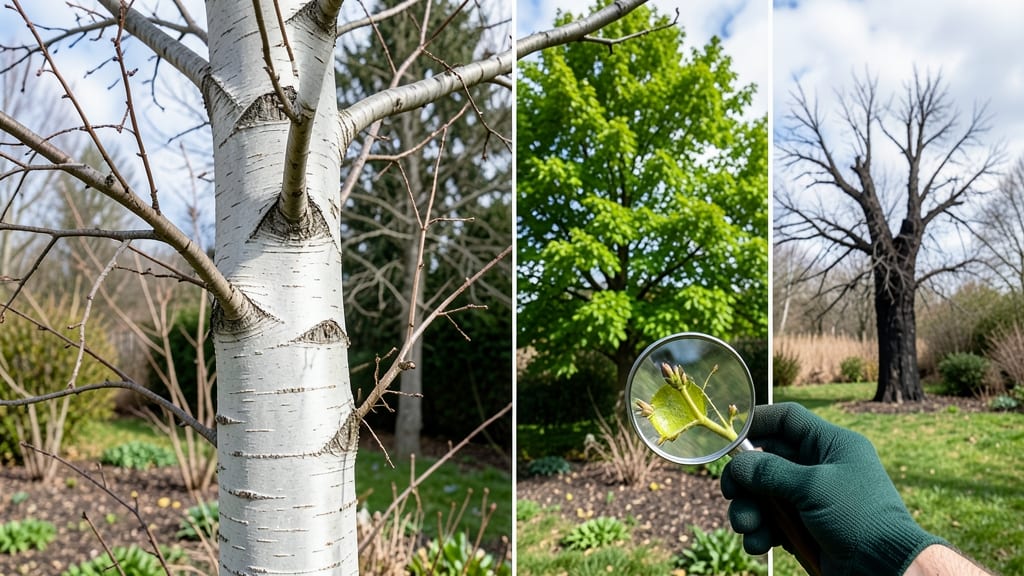
A tree with no leaves isn’t necessarily dead—is a tree dead if it has no leaves? It could just be taking its winter nap. 🌲 I've seen this confusion play out in neighborhood yards every fall, where homeowners panic over their bare trees.
The truth is more nuanced than a simple yes-or-no answer, and understanding the difference between dormancy, stress, and death saves you from unnecessary worry (or worse, pruning a healthy tree).
Seasonal shedding is nature's way of conserving energy, but disease, pests, or drought can mimic dormancy. Look for fresh growth in spring—healthy trees sprout new leaves within weeks of warmer weather. If you're unsure, check the bark: smooth, intact bark suggests life, while cracked, peeling, or oozing bark signals trouble.
Even a simple scratch test (peeling back a small section) reveals whether green layers hide beneath the surface.
You'll know for sure when you see buds forming in early spring or hear birds nesting in the branches. A truly dead tree stands hollow, with no signs of life even after bud break, and often develops mushrooms at its base.
The good news? Most bare trees are just resting—and with proper care, they'll bounce back stronger than ever.
This works for deciduous trees in temperate climates, but evergreens tell a different story. If you're still unsure, grab a notebook and track changes over a few months. You might just discover your tree's secret survival strategies right under your nose.
Natural Seasonal Shifts Explained
Trees are masters of survival, and one of their most fascinating adaptations is seasonal dormancy—a state where they shed leaves to conserve energy during harsh conditions.
This isn’t a sign of death but a strategic pause in growth. Let’s break down why trees lose their leaves and how they pull it off.
When temperatures drop, trees enter a dormant phase to protect themselves from freezing. Here’s how it works:
- Photosynthesis slows: Cold weather reduces sunlight and water absorption, making leaf production inefficient. Trees prioritize survival over growth.
- Nutrient relocation: Before shedding leaves, trees absorb nutrients (like nitrogen and phosphorus) from the foliage and store them in roots or stems for spring. Think of it as a tree’s version of squirreling away acorns!
- Anti-freeze compounds: Some trees (like oaks or maples) produce antifreeze proteins to prevent cellular damage in cold snaps. Others, like evergreens, have waxy needles that resist freezing.
Actionable tip: 🌡️ If a tree loses leaves in winter but the bark is firm and branches are intact, it’s likely just resting. Tap the trunk—if it sounds hollow (not rotten), it’s alive!
Extreme environmental stress can trick a tree into thinking it’s time to conserve resources prematurely. Common triggers include:
💧 Drought or Overwatering
| Cause | Tree’s Reaction | How to Help |
|---|---|---|
| Drought | Roots struggle to absorb water, so the tree drops leaves to reduce evaporation. Wilting leaves may appear before they fall. | Water deeply but infrequently (1–2 inches per week). Mulch to retain moisture. |
| Overwatering | Root rot cuts off oxygen, forcing the tree to shed leaves as a last resort. Yellowing leaves or mushy bark are red flags. | Check soil moisture—water only when the top 2 inches are dry. Improve drainage with sand or gravel. |
🌡️ Temperature Extremes
Sudden heatwaves or late frosts can shock a tree into dropping leaves. For example:
- 🔥 Heat stress: Temperatures above 90°F (32°C) for days can cause scorch (brown, crispy leaves). Trees like maples may shed early to avoid damage.
- ❄️ Late frost: New leaves budding too early can freeze and drop. This is common in fruit trees (e.g., cherries or peaches).
Pro tip: 🌱 Monitor your tree’s hardiness zone (USDA Zone Map) to plant species suited for your climate. Avoid pruning in late summer/early fall—it stresses trees before winter.
Not all leaf loss is seasonal—some trees are attacked by pests or pathogens that force them to drop foliage prematurely. Here’s how to spot the difference:
🐜 Common Culprits
| Pest/Disease | Signs | Solution |
|---|---|---|
| Spider mites | Tiny webs on undersides of leaves; leaves turn yellow/brown and fall. | Spray with water to dislodge mites. Use neem oil or insecticidal soap if severe. |
| Japanese beetles | Skeletonized leaves (chewed edges); beetles cluster on foliage. | Handpick beetles or use traps (place them away from trees to avoid attracting more). |
| Fungal infections (e.g., anthracnose) | Dark spots on leaves; premature leaf drop. Common in wet springs. | Prune infected branches. Apply fungicide in early spring. |
🌿 How to Tell If It’s an Invasion
Unlike seasonal shedding, pest-related leaf drop often includes:
- ✅ Uneven loss: Only certain branches or leaves are affected.
- ✅ Visible damage: Holes, webs, or discoloration remain.
- ✅ New growth stunted: Buds fail to open, or leaves are small/deformed.
Quick fix: 🔍 Inspect leaves and bark with a magnifying glass. Early intervention (like pruning infected areas) can save the tree!
Remember: A tree’s ability to regrow leaves in spring is the ultimate test of its health. Stay tuned for our next section on how to tell if a leafless tree is truly dead vs. just taking a nap!
Reviving Your Tree Step by Step
A leafless tree isn’t always a lost cause—often, it’s just waiting for the right care to bounce back! Whether your tree is dormant, struggling, or on the brink, these practical solutions will help you diagnose and restore it to health.
Below, we break down the most common causes of leaf loss and the easy fixes to bring your tree back to life.
Fix: Patience and seasonal care If your tree lost leaves in fall or winter, it’s likely just dormant—like a bear hibernating! Most deciduous trees (maples, oaks, birches) drop leaves to conserve energy in cold weather. Don’t panic! Here’s how to support it:
- ❄️ Wait for spring – New leaves should sprout by late April or May (timing varies by climate). - 💧 Light watering – Even dormant trees need moisture in dry winters.
Give it a deep watering every 3–4 weeks if rain is scarce. - ❄️ Protect from frost – Young trees or those in urban areas (with heat islands) may need burlap wraps or mulch to shield roots from extreme cold. - 🌿 Avoid pruning – Never trim a dormant tree; wait until late winter or early spring when it’s actively growing.
💡 Pro Tip: If your tree never had leaves in summer, it’s not dormant—it’s likely dead or diseased. Move to Cause 2 or 3 below.
Fix: Immediate relief and long-term protection Harsh weather can strip leaves or stunt growth. Here’s how to revive a stressed tree:
- 💦 Rehydrate the roots – Water deeply 1–2 times per week (check soil moisture 2 inches below the surface).
- 🌡️ Shade relief – If heat is the culprit, provide afternoon shade with a lightweight cloth or temporary shade sail.
- 🌬️ Windbreak barriers – Use burlap fencing, lattice, or evergreen shrubs to block strong winds.
- 🌿 Mulch like a pro – Apply 3–4 inches of organic mulch (wood chips, bark) to retain moisture and regulate soil temp.
⚠️ Warning Signs It’s Too Late:
- Bark peeling or oozing sap (sign of severe damage).
- No buds in spring (tree may be dead).
Fix: Targeted treatment and prevention If your tree has spots, holes, or unusual growths, it’s likely under attack. Act fast!
| Problem | Signs | Solution |
|---|---|---|
| Fungal Infection | Black spots, powdery white coating | 🍄 Prune infected branches (sterilize tools with rubbing alcohol). Spray with copper fungicide or neem oil. |
| Bacterial Leaf Spot | Yellow/brown spots with greasy edges | 🔥 Remove and destroy infected leaves. Apply bacterial spray (like copper-based treatments). |
| Aphids/Scale Insects | Sticky residue (honeydew), curled leaves | 🐞 Blast off with water (strong hose spray). Use insecticidal soap or horticultural oil. |
| Borers (Wood-Boring Beetles) | Sawdust-like frass, holes in bark | 🪓 Drill holes into the trunk and inject beneficial nematodes or insecticide. |
💡 Pro Tip: Prevent future infestations by:
- 🌿 Keeping the area clean (remove fallen leaves/debris).
- 🌱 Watering at the base (not overhead) to avoid fungal spores.
- 🐝 Encouraging natural predators (ladybugs, birds) with nearby plants.
Fix: Nutrient boost and root care If your tree’s roots are compacted, flooded, or starved, it can’t support leaves. Try these root-reviving tricks:
- 🌱 Aerate the soil – Use a manual aerator or dig small holes around the base to improve drainage. - 💧 Fix waterlogging – If soil stays soggy, raise the root zone with gravel or sand (but don’t bury the trunk!). - 🍃 Fertilize smartly – Use a slow-release, balanced fertilizer (10-10-10) in early spring.
Avoid high-nitrogen if the tree is young. - 🔄 Test soil pH – Most trees prefer 6.0–7.0. Adjust with lime (to raise pH) or sulfur (to lower pH).
✨ Bonus: Mulch volcanoes are bad! Keep mulch 3–4 inches deep and 6 inches away from the trunk to prevent rot.
Fix: Know when to let go Sometimes, a leafless tree won’t recover. Here’s how to tell:
- 🪵 No buds or green growth by late spring.
- 🪵 Bark is cracked, peeling, or oozing (not just dry).
- 🪵 Branches snap easily when bent (sign of internal rot).
If it’s dead:
- 🪓 Remove it safely (hire a pro if it’s large).
- 🌱 Replace with a native, low-maintenance tree (like oak, maple, or serviceberry).
- 💡 Turn it into mulch or firewood! (Don’t waste a good tree.)
Final Thought: Most leafless trees aren’t dead—they’re just waiting for the right conditions to thrive again. Start with water, check for pests, and give it time! 🌿✨
Frequently asked questions
Why do some trees keep their leaves all year while others lose them?
Evergreens like pines and spruces have waxy needles that resist freezing, while deciduous trees (oaks, maples) drop leaves to conserve water. The key difference is their adaptation strategy—evergreens prioritize photosynthesis year-round, while deciduous trees focus on survival during cold months.
Can a tree lose leaves in summer and still be healthy?
Yes, but it’s usually a warning sign! Sudden summer leaf drop often means heat stress, drought, or pests. Check for wilting, brown edges, or insects. If the tree regrows leaves within 2-3 weeks after watering, it’s likely just stressed—not dead.
How can I tell if a bare tree is dead or just dormant?
Scratch the bark with your fingernail—if it’s green underneath, the tree’s alive! For a definitive test, wait until late spring. If you see new buds or leaves, it was just dormant. No growth? It’s likely dead.
Will mulching help a leafless tree recover?
Apply 3-4 inches of organic mulch (wood chips) around the base to retain moisture and protect roots. Keep it 6 inches away from the trunk to prevent rot. This mimics natural forest conditions and gives struggling trees a survival boost.
What should I do if my tree has no leaves in spring?
First, check for buds or sap flow—these indicate life. If present, wait 2-3 weeks for leaves to emerge. If nothing happens, the tree may be dead. For confirmation, tap the trunk—if it sounds hollow (not rotten), it’s likely beyond saving.