
Trees
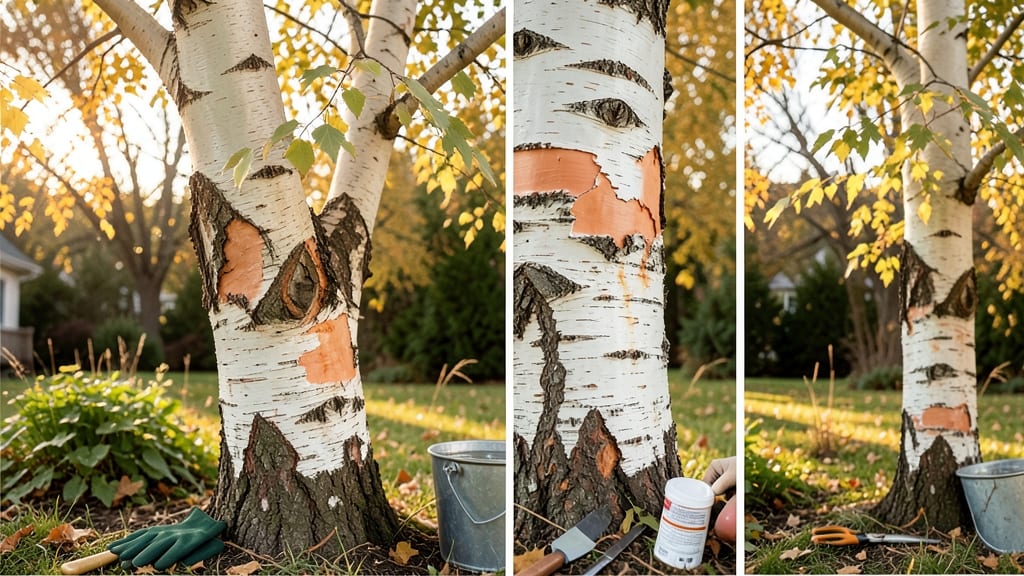
When your tree’s bark peeling treatment is needed—like sunburned skin—it’s not just cosmetic; it’s a sign your tree is struggling. 🌳 I’ve seen this happen after winters where bark freezes and thaws repeatedly, or when pests like bark beetles burrow beneath the surface.
The good news? Most peeling bark issues are fixable, especially if you catch them early in the dormant season.
First, identify the cause: is it environmental stress (like harsh winters), fungal infections (often marked by discolored patches), or pests (tiny holes or sawdust-like frass)? The treatment varies—pruning dead branches, applying a dormant-season fungicide, or sealing wounds with pruning paint can make all the difference.
Mulching around the base also helps regulate soil temperature and moisture, reducing stress.
With the right care, your tree can bounce back stronger. I’ve revived trees that looked hopeless by spring—smooth bark, vibrant leaves, and no further peeling. The key is acting before the damage spreads deeper into the trunk.
Think of it as giving your tree a fresh coat of armor for the next growing season.
Even better, prevention is easier than repair. Water deeply during dry spells, avoid wounding the bark with tools, and inspect your trees every season. A little attention now means a healthy, thriving canopy for years to come—no peeling in sight.
Understanding Bark Peeling Causes
If your tree’s bark is peeling like an old paint job, don’t panic—it’s usually a sign of natural processes or environmental stress. But knowing the why behind the peel helps you decide whether to intervene or simply observe.
Below, we break down the most common culprits, from biological quirks to harsh weather, with science-backed explanations to help you diagnose the issue.
Trees are living thermometers, and rapid temperature changes—especially between freezing winters and scorching summers—can trigger bark peeling. Here’s how it works:
- Cold Snaps & Frost Cracking: When water freezes inside the bark, it expands and creates microscopic fractures. As temperatures rise, the outer layers literally split apart, peeling away like a sunburned human skin. This is most common in deciduous trees like maples, elms, and birches, where bark is thinner and more prone to cracking.
- Summer Heatwaves: Prolonged drought causes bark to dry out and contract. If the tree can’t absorb enough moisture, the outer layers become brittle and flake off—think of it like a leather jacket cracking in the desert.
- Sun Scald: Sudden exposure to intense sunlight (e.g., after winter pruning or in urban heat islands) can cook the bark, causing it to blister and peel. This is a major issue for young trees or those with thin bark, like cherries or apples.
💡 Pro Tip: If peeling is only on sun-exposed sides (south or west), sun scald is likely. Mulch the base and water deeply during dry spells to protect vulnerable bark.
Not all peeling bark is harmless—some is a red flag for infections that weaken (or even kill) your tree. These pathogens thrive in damp, stressed bark:
| Pathogen | How It Causes Peeling | Warning Signs |
|---|---|---|
| Canker Diseases (e.g., Valsa or Nectria) | Fungi invade bark wounds, creating sunken, oozing cankers. As the infection spreads, healthy bark peels away in irregular patches. | Black, tar-like ooze; dead branches; peeling in bands around the trunk. |
| Bacterial Leaf Scorch (e.g., Xylella) | Bacteria clog the tree’s water-conducting vessels, starving the bark of moisture. The outer layers dry out and slough off, often starting at the top. | Brown, crispy leaf edges; peeling starts high up on the trunk. |
| Armillaria Root Rot (aka "Honey Fungus") | This aggressive fungus attacks roots and trunk base, causing bark to peel in concentric rings as it spreads upward. | Shelf-like fungal growth at the base; mushrooms at the roots; tree decline. |
⚠️ Warning: If peeling is accompanied by ooze, dead branches, or fungal growth, your tree may need professional treatment (e.g., pruning infected areas, fungicides, or removal in severe cases).
Some insects don’t just nibble leaves—they carve into bark, creating tunnels that stress the tree and trigger peeling. The most notorious culprits:
- Bark Beetles: These wood-boring beetles (like the emerald ash borer) lay eggs under the bark. Their larvae tunnel through the cambium layer (the tree’s growth ring), starving it. As the tree tries to seal off the damage, the bark peels or cracks.
- Sapsuckers (Woodpeckers): While they don’t kill trees, their drilling for sap can create vertical peeling patterns. The tree’s defense response—producing more sap—can also loosen bark.
- Scale Insects & Mealybugs: These sap-sucking pests weaken the tree, making bark more susceptible to peeling. Heavy infestations often lead to sooty mold growth, which can further stress the tree.
🔍 Look for:
- Small holes (beetle exit tunnels)
- Sawdust-like frass (insect droppings) at the base
- Irregular peeling with no fungal signs
💡 Pro Tip: If you spot beetle holes, do not ignore them. Infested trees (especially ash, elm, or pine) may need insecticide treatment or removal to prevent spread.
Not all peeling is a crisis—some trees shed bark naturally as they grow, like a snake shedding its skin. Here’s when it’s just part of the process:
- Thin-Barked Trees: Species like birch, sycamore, or paperbark maple have naturally exfoliating bark. Peeling is uniform, starting at the top and working downward, revealing smooth, healthy layers underneath.
- Cambium Layer Stress: The cambium (the tree’s growth layer) sometimes overproduces cells, causing the outer bark to pucker and peel. This is common in fast-growing trees like willows or poplars.
- Root Girdling or Expansion: As roots grow, they can pull the bark slightly, creating vertical splits or peeling. This is often seen in young, rapidly growing trees.
🌿 How to Tell It’s Normal:
- Peeling is patchy but not widespread.
- The tree has no other symptoms (wilting, discolored leaves, dead branches).
- New growth is vigorous (healthy leaves, buds, or flowers).
✨ Key Insight: If the tree looks otherwise healthy, peeling bark is often just its way of renewing itself. No treatment is needed!
Next Steps: If you’re unsure whether peeling is natural or a sign of trouble, examine the tree closely for the clues above. In the next section, we’ll cover how to assess damage and decide if treatment is necessary.
Fixing Peeling Bark Naturally
Peeling bark can make your trees look unkempt, but with the right approach, you can restore their health and beauty. Below are practical, step-by-step solutions tailored to the most common causes—plus prevention tips to keep your trees thriving.
Some trees naturally shed bark as they grow, especially during dormancy. If the tree looks healthy (green leaves, no wilting, no oozing sap), you can skip treatment entirely.
Instead: - Leave it be—peeling bark often protects the tree from pests and disease. - Remove loose flakes only if they’re falling onto walkways or posing a tripping hazard. - Monitor for changes—if the peeling worsens or spreads, investigate further.
If bark is peeling due to borers, beetles, or scale insects, act fast to prevent spread.
🔥 Step 1: Identify the Pest
- Look for tiny holes, sawdust-like frass, or sticky residue (signs of borers).
- Check for tiny crawling bugs (scale, bark beetles).
- Use a flashlight at dawn/dusk—pests are most active then.
🍳 Step 2: Apply Natural Repellents
| Pest Type | Solution | When to Apply |
|---|---|---|
| Bark Beetles | Neem oil spray (1 tsp neem oil + 1 quart water) or kaolin clay (dust trunk). | Late spring/early summer. |
| Scale Insects | Horticultural oil (dormant season) or soapy water spray (1 tbsp dish soap + 1 gallon water). | Fall or spring, when pests are dormant. |
| Borers | Beneficial nematodes (apply to soil) or prune infested branches (sterilize tools with rubbing alcohol). | Early spring before new growth. |
👨🍳 Step 3: Encourage Natural Predators
- Plant companion species like ladybugs (for scale) or parasitic wasps (for borers).
- Avoid broad-spectrum pesticides—they kill helpful insects too.
If peeling is due to sudden temperature shifts, drought, or harsh sun, protect the bark with these fixes:
🌡️ Step 1: Improve Moisture Retention
- Water deeply 2–3 times per week (1–2 inches per session) during dry spells.
- Mulch the base (2–4 inches of wood chips or shredded bark) to lock in moisture.
- Avoid overhead watering—wet bark slows healing.
🎯 Step 2: Provide Physical Protection
- Wrap young trees in tree guard (burlap or specialized bark wrap) for winter.
- Prune nearby branches blocking sunlight to reduce stress.
- Use shade cloth (30–50%) for newly planted trees in hot climates.
If peeling is caused by canker, anthracnose, or root rot, act quickly to stop the spread.
✨ Step 1: Prune Infected Areas
- Cut 6–12 inches beyond visible damage (sterilize pruners with 70% alcohol).
- Dispose of infected branches in sealed bags (do not compost).
- Avoid pruning during wet weather—spores spread easily.
🔪 Step 2: Apply Fungicide
- Copper fungicide spray (for bacterial canker) or baking soda mix (1 tbsp baking soda + 1 quart water + a few drops of dish soap).
- Reapply every 2–4 weeks until new bark forms.
- For root rot, improve drainage by raising the soil level or installing a French drain.
- 🌿 Water consistently—deep, infrequent watering > shallow daily sprinkles.
- 🌡️ Mulch properly—keep mulch 3–4 inches deep but 6 inches away from the trunk.
- 🍃 Prune in late winter/early spring—avoid heavy pruning in summer heat.
- 🐞 Inspect annually—catch pests early with a magnifying glass and flashlight.
- 🌳 Choose the right tree—some species (like birch or sycamore) peel naturally; others (oak, maple) are more prone to disease.
Pro Tip: 💡 If peeling persists after treatment, consult a certified arborist—some issues (like honey fungus) require professional intervention.
With these solutions, your tree’s bark will heal, strengthen, and return to its smooth, vibrant self—just in time for spring’s fresh growth!
Frequently asked questions
Is peeling bark always a sign my tree is dying?
Not necessarily! Many trees naturally shed bark as they grow, especially species like birch or sycamore. The key is to check for other signs of distress: if leaves are healthy, the tree is producing new growth, and there's no oozing or dead branches, peeling bark is often just a normal part of the tree's life cycle.
When is the best time to treat peeling bark?
Dormant season (late fall to early spring) is ideal for most treatments. This gives your tree time to recover before new growth begins. For fungal issues, apply fungicides in early spring before spores spread. If dealing with pests, treat in late spring when they're most active.
Can I use pruning paint on peeling bark?
Only if the wound is fresh and exposed wood is visible. Pruning paint helps seal wounds to prevent disease entry, but it's not needed for normal peeling bark. For healthy trees, simply remove loose flakes and let the tree heal naturally. The paint can actually trap moisture against the bark, potentially causing more problems.
How do I tell if my tree has sun scald vs. fungal infection?
Sun scald typically appears only on sun-exposed sides (south or west) and looks like cracked, dry patches. Fungal infections often show black ooze, irregular peeling patterns, and may appear on all sides of the trunk. Check for other symptoms: fungal infections often come with dead branches or discolored leaves.
Will mulching help prevent peeling bark?
A 2-3 inch layer of organic mulch helps regulate soil temperature and moisture, reducing stress that can cause bark to peel. Keep mulch 6 inches away from the trunk to prevent rot. For young trees, mulching is especially important as their bark is most vulnerable to temperature fluctuations.