
Pruning
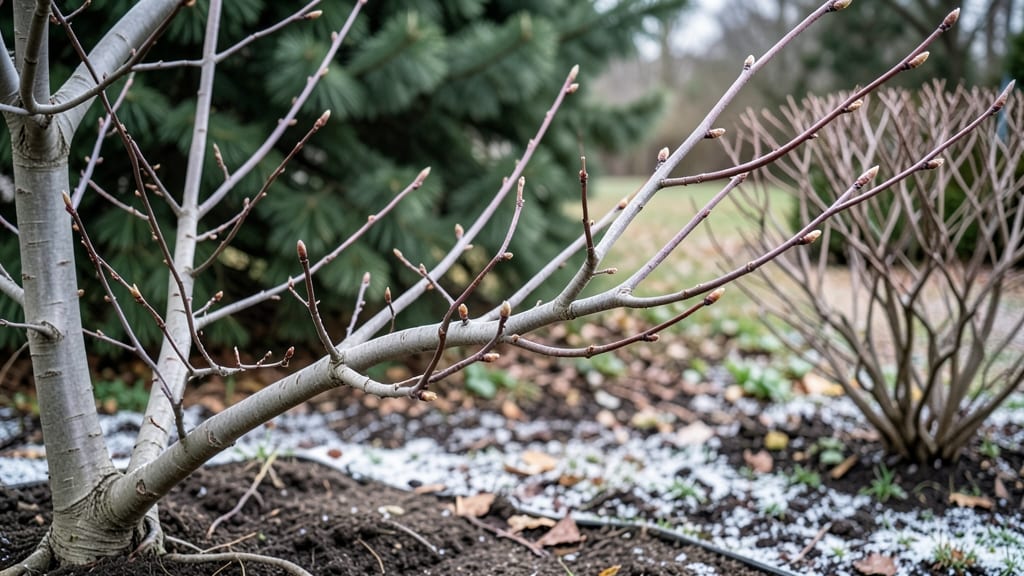
Pruning dormant tree branches in late winter unlocks stronger spring growth—here’s how to do it right. ✂️ I’ve seen gardeners hesitate because they fear cutting too much or hurting the tree, but the truth is, proper pruning at this time of year actually boosts health and shape.
The key is knowing which branches to remove and which to keep, and doing it safely before buds start swelling.
First, identify dead or diseased branches—they’re usually dry, brittle, or missing bark. Live branches will have buds or green tissue underneath the bark when scratched. Once you’ve spotted them, use clean, sharp pruners to make cuts just outside the branch collar, where the branch meets the trunk.
This prevents damage and promotes faster healing. Safety first: wear gloves and eye protection, especially when dealing with large branches.
You’ll end up with a tree that looks balanced, with better airflow and sunlight reaching all parts. Proper pruning also reduces the risk of storm damage, as weaker branches are less likely to snap.
Plus, the tree will put energy into new growth instead of struggling to support dead wood. Think of it as a fresh start for your tree before the growing season kicks in.
This works for fruit trees, shade trees, and even young saplings—just adjust the timing slightly based on your climate. If you’re unsure, start with just a few branches and observe how the tree responds before tackling the whole thing.
With practice, you’ll have a tree that’s healthier, stronger, and ready to burst into life when spring arrives.
Natural Tree Life Cycles Explained
Dormant tree branches aren’t a sign of trouble—they’re often a natural part of a tree’s seasonal rhythm. Understanding the science behind why branches go dormant helps you prune smarter and encourage healthier regrowth. Here’s why it happens, broken down by the most common causes:
Trees enter dormancy as a survival strategy when temperatures drop or daylight shortens. This isn’t laziness—it’s biology. During winter, trees conserve energy by halting non-essential growth, including new branch development. Here’s how it works:
- Temperature triggers: Most trees sense cold through hormones like abscisic acid, which signals buds to stop growing until spring.
- Daylight hours: Shorter days reduce gibberellins, growth-promoting hormones, putting branches into a temporary "pause mode."
- Water conservation: Frozen soil makes water uptake difficult, so trees prioritize root health over above-ground expansion.
Actionable tip: If you prune in late winter (just before buds swell), you’ll remove dead branches without stressing the tree’s dormant systems. Timing is everything!
When branches go dormant, trees often "recycle" nutrients from older growth to fuel roots and trunks. This process, called senescence, explains why some branches appear shriveled or bare:
- Leaf and twig breakdown: Trees reabsorb nitrogen, phosphorus, and other nutrients from dying leaves and small branches to store in roots or trunk tissue.
- Weak branch dieback: Branches with poor vascular connections (e.g., those growing from weak crotches) may wither first, as the tree prioritizes stronger structures.
- Fungal or pest damage: Even dormant branches can suffer from latent infections (like hypoxylon canker) that only become visible when the tree’s defenses are low.
Pro tip: Look for brown, brittle branches—these are often dead and should be pruned immediately to prevent disease spread. Use a clean saw and seal cuts with pruning paint if the trunk is exposed.
Drought, extreme heat, or physical damage can force branches into premature dormancy, even mid-season. Here’s how stress factors play a role:
| Stressor | Effect on Branches | Signs to Watch For |
|---|---|---|
| Drought | Reduces water pressure in xylem, causing buds to fail to swell. | Wilting leaves, brown tips, or branches that look "asleep" in summer. |
| Competition | Overcrowded branches (e.g., in dense forests) compete for sunlight/nutrients, leading to stunted growth. | Thin canopies, sparse foliage, or branches growing only on one side. |
| Mechanical damage | Broken bark or crushed branches disrupt the phloem (sugar transport system), starving the branch. | Peeling bark, oozing sap, or branches that look "shocked" after storms. |
✨ Key insight: Stressed branches often won’t regrow in spring. If you see no green tissue under the bark when you scrape it, the branch is likely dead—remove it to avoid harboring pests.
Next up: How to Prune Dormant Branches Without Harming Your Tree.
Fixing Dead Branches for Renewed Growth
Now that you understand why dormant branches form, it’s time to take action! Pruning dead or dormant branches not only improves your tree’s appearance but also promotes healthier spring growth. Below are practical, step-by-step solutions tailored to common causes—plus prevention tips to keep your tree thriving.
Fix: Remove infected or infested branches immediately to stop the spread.
- 🔍 Identify the Problem
- Look for discolored bark, oozing sap, or tiny holes (signs of pests).
- Check for fungal growth (mushrooms, powdery spots, or cankers).
- 🪓 Prune with Precision
- Use sterilized pruning shears (rubbing alcohol or bleach wipe) to avoid cross-contamination.
- Cut 6–12 inches below the last sign of disease or pest damage—healthy tissue is usually green or firm.
- Make cuts at a 45-degree angle (just outside the branch collar) for faster healing.
- 🧼 Clean Up Debris
- Bag and dispose of infected branches (don’t compost them!).
- Disinfect tools again after pruning.
💡 Prevention Tip:
- Apply copper fungicide or neem oil spray in early spring to deter fungal diseases.
- Encourage beneficial insects (like ladybugs) to control pests naturally.
Fix: Prune only after the tree shows new growth in spring (usually late March–April).
- 🌱 Wait for the Right Time
- Avoid pruning in winter—fresh cuts can invite disease in cold, damp conditions.
- Look for swollen buds (a sign the tree is waking up).
- 🌿 Trim Deadwood Selectively
- Remove completely blackened or brittle branches—they won’t regrow.
- Leave partially damaged branches if they show green tissue underneath (they may recover).
- 🌿 Fertilize for Recovery
- Apply a balanced, slow-release fertilizer (like 10-10-10) in early spring to boost growth.
💡 Prevention Tip:
- Mulch heavily around the base in fall to insulate roots from freezing temps.
- Water deeply before winter to help trees withstand cold snaps.
Fix: Adjust your pruning habits and feed the tree properly.
- 📝 Reassess Your Pruning Style
- Never remove more than 25% of the canopy in one season—it stresses the tree.
- Focus on thinning out (removing entire branches at the base) rather than topping.
- 🌱 Boost Soil Health
- Test your soil (a basic kit costs ~$20) and amend with compost or organic matter if deficient.
- Use a tree-specific fertilizer (high in nitrogen for leafy growth, potassium for roots).
- 💧 Water Deeply but Infrequently
- Water slowly (1–2 inches per week) to encourage deep root growth.
- Avoid overwatering, which can suffocate roots.
💡 Prevention Tip:
- Prune in late winter/early spring (just before buds swell) for minimal stress.
- Avoid heavy pruning in summer—it can lead to sunburn or pest attacks.
Fix: Act fast to prevent further harm, but don’t over-prune.
- 🚨 Assess the Damage
- If a branch is hanging by a thread, remove it—it’s a safety hazard.
- For partially broken branches, check if the tree can still support it. If not, prune it out.
- 🪓 Make Clean Cuts
- Use a sharp saw for thick branches (2+ inches).
- Cut just outside the branch collar (the swollen area where the branch meets the trunk).
- 🌿 Help the Tree Recover
- Apply wound dressing (optional)—some studies show it’s unnecessary, but a thin layer of pruning sealant can protect large cuts.
- Water thoroughly after pruning to reduce shock.
💡 Prevention Tip:
- Thin the canopy slightly in summer to reduce wind resistance.
- Stake young trees temporarily if they’re top-heavy in storm-prone areas.
Final Reminder: Always sterilize tools, prune at the right time, and avoid over-cutting. With the right care, your tree will bounce back stronger—and greet spring with lush, vibrant growth! 🌿✨
Frequently asked questions
How can I tell if a dormant branch is truly dead or just sleeping?
Scratch the bark with your fingernail—if you see green underneath, it's alive but dormant. Dead branches will be completely brown or black inside. Another test: bend a small twig—if it snaps easily, it's dead. For larger branches, look for buds or signs of life in spring.
Is it safe to prune dormant branches in winter, or should I wait?
Late winter (just before buds swell) is ideal for pruning dormant branches. Avoid heavy pruning in freezing temperatures, as cold weather can stress the tree. If your area has mild winters, early spring is also a great time. Never prune in extreme heat or drought conditions.
What's the best way to remove a large dormant branch without damaging the tree?
Use a sharp pruning saw and cut just outside the branch collar (the swollen area where the branch meets the trunk). For branches thicker than 2 inches, make the cut at a slight angle. Seal larger cuts with pruning paint to prevent disease entry. Always wear gloves and eye protection when working with large branches.
Will pruning dormant branches encourage new growth in spring?
Yes! Removing dead or weak branches redirects the tree's energy to healthier growth. Just avoid over-pruning—never remove more than 25% of the canopy in one season. Focus on removing deadwood and shaping the tree for better airflow and sunlight penetration.
What should I do with the branches after I prune them?
Dispose of diseased or pest-infested branches immediately in sealed bags. Healthy branches can be composted or used as mulch. For firewood, let branches dry for at least 6 months to prevent smoke issues. Never leave pruned branches on the ground near your tree, as they can harbor pests.