
How To
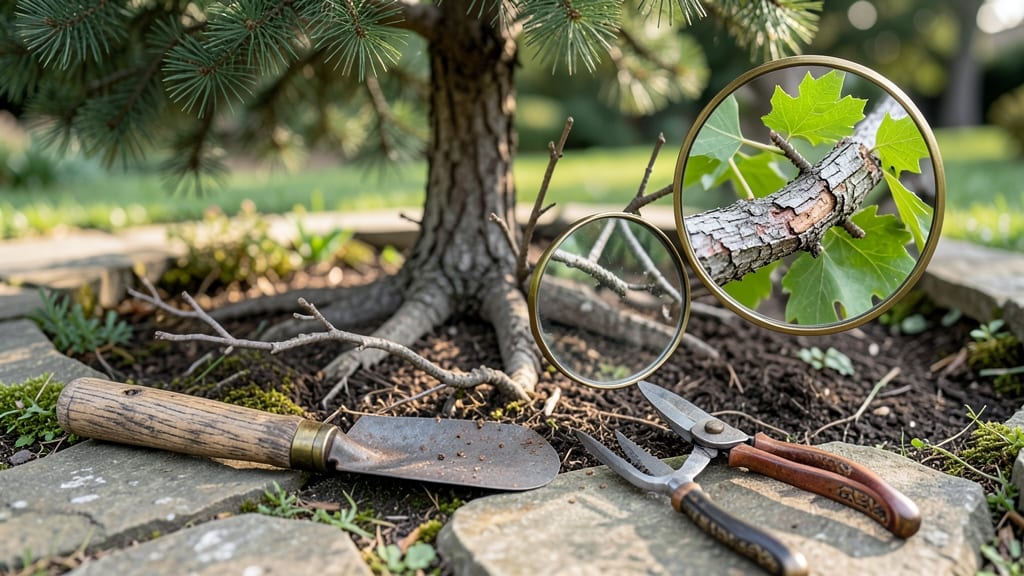
Can dead tree branches come back to life? Yes, if only the outer bark is damaged while the inner cambium layer stays alive, the roots remain strong, and the tree still has healthy foliage elsewhere. Prune affected branches carefully and watch for new growth indicators like bud swell or fresh green shoots.
Tree branches often appear dead when only the outer bark is compromised, but the real story happens beneath the surface.
The cambium layer, a thin growth zone between bark and wood, holds the key—if it's still alive, the branch can recover. 🌱 Think of it like a paper cut on your skin: the wound might look severe, but if the deeper layers stay intact, healing can occur.
Environmental factors like consistent watering and proper sunlight exposure accelerate this process, while extreme damage (like complete bark loss) usually means permanent loss.
What's fascinating is how trees prioritize resources. A healthy root system acts like a bank account—if it has enough stored nutrients, it can redirect them to revive seemingly dead branches.
I've seen oak trees send out new shoots from what looked like completely dead limbs, proving that trees are far more resilient than we often assume. The catch? You need to give them time and the right conditions.
💡 In This Article
- How Tree Branches Recover from Damage
- Step-by-Step Guide to Reviving Damaged Tree Branches
How tree branches recover from damage
The secret to a tree branch's revival lies in its cambium layer, a thin, living layer just beneath the bark that produces new cells for growth and healing.
When only the outer bark is damaged—like from frost, disease, or mechanical injury—the cambium can remain alive, allowing the tree to regenerate. Think of it like a tree's skin: if you scrape off the top layer, the deeper tissues can still function and heal over time.
This layer is particularly active during the tree's growing season (typically spring and early summer), when it produces new xylem (wood) and phloem (nutrient transport tissue) at rates of up to 0.5 inches per year in healthy trees. 🌿
Nutrient flow is another critical factor. A healthy root system acts like a reservoir, storing carbohydrates and water that can be redirected to damaged branches. For example, a mature oak tree might store enough energy in its roots to sustain new growth even after winter damage.
However, if the roots are compromised (due to drought, construction, or disease), the tree won't have the resources to revive branches. Environmental conditions like consistent moisture and sunlight also play a role—trees in full sun can photosynthesize more efficiently, producing the energy needed for recovery.
In contrast, shaded branches often struggle to revive because they lack sufficient light for photosynthesis.
Seasonal timing matters greatly. Branches damaged in late fall or winter may appear dead at first, but they can "wake up" in spring when temperatures rise and sap begins flowing.
Look for signs like bud swell (when buds plump up before leafing out) or green shoots, which indicate the cambium is still active.
However, if the damage occurs in late summer or early fall, the tree may not have enough time to mobilize resources before dormancy sets in, making recovery less likely.
This is why arborists often recommend pruning damaged branches in late winter or early spring, just before the growing season begins. 🌱
There's a crucial difference between reversible and permanent damage. If the cambium is completely severed or the branch is girdled (where a ring of bark is removed, cutting off nutrient flow), the branch will not recover.
Girdling is a common mistake when pruning too close to the trunk—it's like cutting off a limb's lifeline. On the other hand, superficial damage (like cracked bark or minor splits) often heals naturally as the tree produces new protective layers.
To test if a branch is truly dead, perform a scratch test: scrape the bark with your fingernail. If green tissue appears underneath, the cambium is alive and recovery is possible.
Water stress is another silent killer of branch revival. Even if the cambium is intact, prolonged drought can deplete the tree's energy reserves, leaving it unable to support new growth. In urban areas, trees often face additional stress from compacted soil, which restricts root growth and nutrient uptake.
To help a struggling tree, focus on improving soil aeration (with mulch or aeration tools) and providing deep, infrequent watering—aim for 1-2 inches of water per week during dry spells. This mimics natural rainfall patterns and encourages deeper root development, giving the tree the strength to revive damaged branches. 💧
Finally, age and tree species play a role. Younger trees with faster growth rates (like willows or poplars) often recover more quickly than slow-growing species (like pines or maples).
For instance, a willow tree might send out new shoots from a damaged branch within weeks, while an ancient oak could take years—or never fully recover. Understanding your tree's species and growth habits can help you set realistic expectations for revival.
If you're unsure, consult a local arborist or extension service for species-specific advice. 🌳