
Pruning
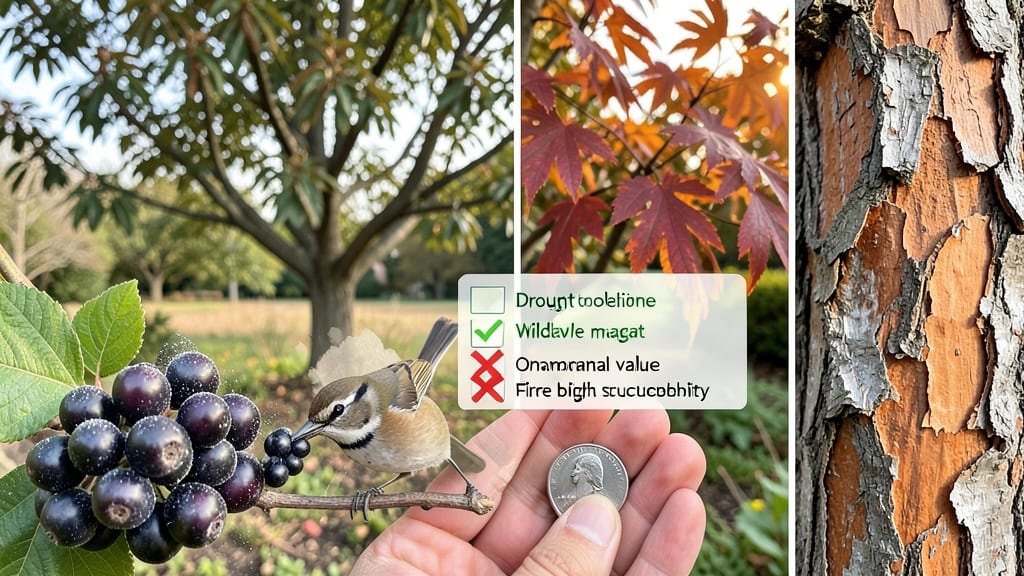
Considering serviceberry trees reveals key pros and cons: their showy spring blooms, edible berries, and adaptable nature make them excellent for ornamental and edible landscapes, but gardeners should weigh their slow growth, modest fruit production, and vulnerability to pests or diseases before planting.
Serviceberry trees shine as multi-season stars with their delicate white flowers in spring and vibrant fall foliage, making them a favorite for gardeners seeking both beauty and function. 🌸 The edible berries add a bonus, though yields are rarely enough to justify commercial harvests.
What really sets them apart is their adaptability—thriving in everything from full sun to partial shade and tolerating a range of soil types, including poor or rocky conditions.
However, their slow growth (often less than a foot per year) and susceptibility to pests like Japanese beetles or diseases such as powdery mildew require patience and proactive care.
For those willing to invest time in maintenance, serviceberries offer a rewarding balance of aesthetics and utility. Their compact size (typically 15–25 feet tall) also makes them ideal for small yards or urban landscapes where space is limited.
The trade-off comes in fruit production—while the berries are delicious, they're often inconsistent, and the trees may require cross-pollination for optimal yields.
💡 In This Article
- Serviceberry Tree Growth Habits and Environmental Adaptability
- Maximizing Serviceberry Fruit Production and Pest Management
Serviceberry tree growth habits and environmental adaptability
Serviceberry trees thrive because of their remarkable genetic adaptability, which stems from their native range spanning from Canada to the southeastern U.S. This hardiness translates to their ability to grow in USDA zones 3-9, making them one of the most versatile native trees for gardeners.
Their deep root systems allow them to access moisture from 2-3 feet underground, which gives them exceptional drought tolerance once established—something that sets them apart from many ornamental trees that wilt under dry conditions.
Their compact growth habit—typically reaching 15-25 feet tall with a 10-15 foot spread—makes them perfect for small yards or urban landscapes where space is limited.
Unlike fast-growing trees that can quickly outgrow their intended space, serviceberries grow at a modest 12-24 inches per year, providing steady, predictable growth without the need for aggressive pruning. This slow-and-steady approach also means they develop strong structural integrity, reducing the risk of storm damage compared to faster-growing species.
What truly makes serviceberries stand out is their multi-season visual appeal. In spring, their 4-inch-wide white flowers create a stunning canopy that attracts pollinators like bees and butterflies. The flowers transition into blue-purple berries in late summer, which ripen to a deep purple-black by early fall.
As temperatures drop, the leaves turn brilliant shades of orange and red, providing a dramatic autumn display that rivals many ornamental trees. This seasonal progression offers year-round interest, which is a major selling point for gardeners seeking low-maintenance beauty.
Their adaptability extends to soil preferences too. Serviceberries perform well in sandy, loamy, or clay soils, even tolerating slightly alkaline conditions where many plants struggle. They're also resistant to urban pollution, making them ideal for city landscapes where air quality can stress more sensitive species.
However, this adaptability comes with a trade-off: their slow growth means they take 5-7 years to reach maturity, which may not suit gardeners seeking immediate visual impact.
Another key advantage is their resistance to deer browsing—a common issue with many ornamental trees. The tree's bitter-tasting leaves and bark act as a natural deterrent, reducing the need for protective measures in rural or suburban settings.
This deer resistance, combined with their ability to thrive in partial shade, makes serviceberries an excellent choice for understory planting or mixed woodlands where other trees might struggle.
For those considering serviceberries, the decision often comes down to balancing patience with long-term rewards. While they may not deliver instant gratification, their ability to thrive with minimal intervention—once established—makes them a favorite among eco-conscious gardeners looking for native, sustainable landscaping options. 🌿