
How To
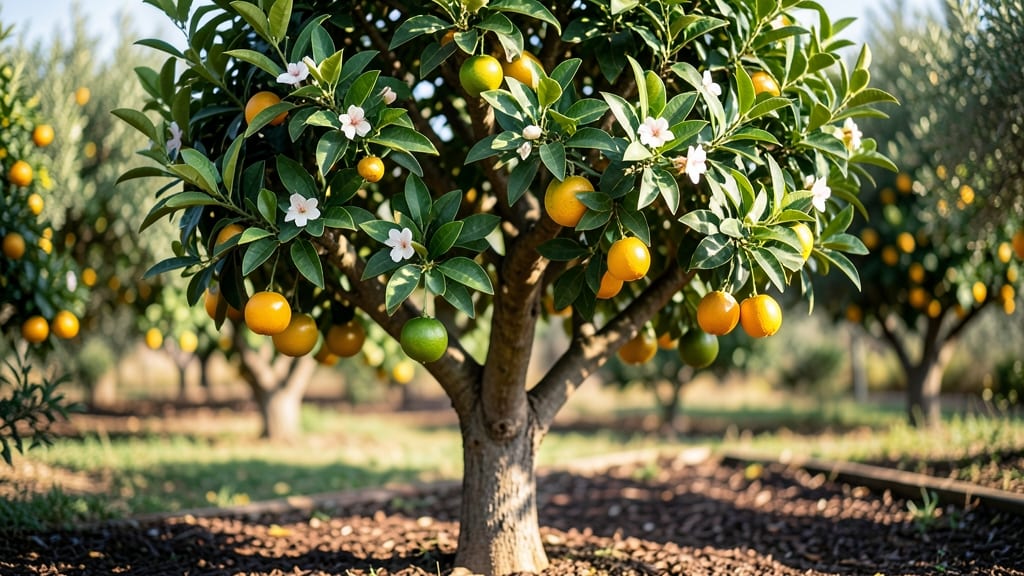
How tall an orange tree grows can vary dramatically—from a compact 8 feet to a towering 40 feet, depending on the variety and care you provide.
Wondering if that tiny orange tree seedling will one day shade your entire backyard? The mature height of orange trees varies dramatically by variety and growing conditions—some stay compact enough for containers while others tower like small trees.
Standard varieties like the Valencia or Navel orange can reach 20-40 feet in ideal climates, while dwarf types like the Calamondin max out around 8-12 feet—perfect for patios or small yards.
Here’s how to choose the right size for your space, plus 5 pro tips to control growth naturally, whether you want a tabletop tree or a backyard giant.


Orange tree height by popular variety: from dwarf to giant
When you bring home a tiny orange tree sapling, it's hard to imagine it growing into a towering shade provider or a compact container plant. The truth is, orange tree height varies wildly depending on the variety.
Some varieties stay under 10 feet tall, perfect for patios, while others can reach 40 feet—taller than a three-story building! The right variety for your space depends on your garden's size, climate, and whether you prefer easy container growing or a full-sized backyard tree.
Understanding these height differences helps you choose the perfect orange tree for your needs. Dwarf varieties are ideal for small spaces, balconies, or even indoor growing, while standard varieties thrive in large gardens or orchards.
Even within the same variety, factors like pruning, soil conditions, and sunlight exposure can influence how tall your tree grows. Let’s explore the most popular orange tree varieties and their mature heights so you can make an informed decision before planting.
⚠️ Pro Tip: Always check your local nursery for grafted varieties, as the rootstock can significantly impact growth rate and final height. Some nurseries offer semi-dwarf options that bridge the gap between compact and full-sized trees.
If you're dreaming of a backyard orange grove, standard varieties like Valencia or Navel oranges are excellent choices. These trees can reach 20-35 feet tall, providing ample shade and a bountiful harvest. However, if your space is limited, dwarf varieties like the Meyer Lemon or
How climate zones affect orange tree growth height
Your orange tree's mature height isn't just about genetics—it's heavily influenced by your USDA hardiness zone. Trees in warmer zones like 10-11 can reach their full 20-40 foot potential, while those in zone 9 may stay shorter due to seasonal stress.
The key difference lies in how each zone affects growth cycles and cold tolerance.
In zones 8-9, orange trees experience partial dormancy during winter, which naturally slows vertical growth. This creates a more compact tree structure compared to tropical zones where growth is continuous year-round.
The 20°F threshold separates safe zones from risky ones—any colder, and your tree may struggle to reach maturity.
- 🌡️ Zone 10-11: 30-40 ft - Tropical growth with year-round expansion
- 🌬️ Zone 9: 20-30 ft - Moderate dormancy creates slower vertical growth
- ❄️ Zone 8: 15-25 ft - Cold snaps limit height potential
- 🌱 Dwarf varieties: 8-12 ft - Genetic dwarfing overrides zone effects
- 📏 Container growth: 50% reduction - Root restriction stunts height regardless of zone
The most dramatic differences appear in tropical vs. temperate growing conditions. In zones 10-11, trees grow 3-4 feet annually without winter breaks, while zone 8 trees may only gain 1-2 feet per year due to seasonal stress.
This explains why Florida's Valencia oranges reach 40 feet while California's Navel oranges often stay under 25 feet.
Cold damage in zones 7 and below creates another growth limitation. When temperatures drop below 28°F, new growth dies back, forcing the tree to redirect energy toward survival rather than height. This explains why dwarf varieties thrive in cooler zones—their genetic growth suppression compensates for environmental limitations.
Microclimates within zones also play a role. A sheltered spot in zone 9 might support 30-foot growth, while an exposed area could limit height to 20 feet.
Always consider your local frost dates and winter lows when estimating potential height—these factors often determine whether your orange tree will become a shade tree or a container specimen.
For container growers, zone effects become less critical since root restriction naturally limits height. However, even potted trees will grow 10-20% taller in zones 10-11 compared to zone 8 containers.
The key is matching your variety to your climate—tropical types like Meyer lemons thrive in warm zones while Satsuma mandarins handle cooler winters better.