
How To
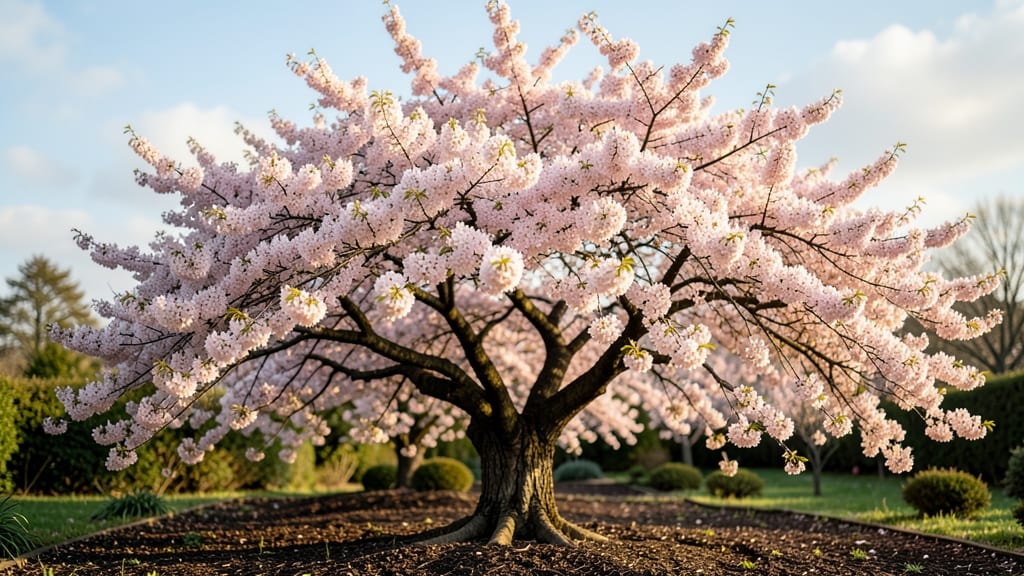
A cherry blossom tree grows how tall does a cherry blossom tree grow anywhere from 20 to 40 feet at maturity, depending on the variety you choose 🌸 — and picking the right size for your yard can make all the difference between a dreamy spring canopy and a tree that outgrows its space in just a few years.
If you’ve ever dreamed of a stunning springtime canopy bursting with delicate pink and white blooms, understanding cherry blossom tree growth is your first step to creating that magical landscape.
The wrong choice could leave you with a towering giant that blocks sunlight or a dwarf variety that feels lost in a large garden.
From the compact 10-15 feet of a dwarf Yoshino to the grand 30-40 feet of a standard Kwanzan, each variety has its own growth story.
Below, I’ll break down the height ranges by popular types, how fast they grow, and the simple tricks to manage their size if they start stretching too tall.
Whether you’re planning a small urban yard or a sprawling landscape, knowing these details helps you pick the perfect tree for your space — and avoid the head-scratching moment when your "small" blossom suddenly needs a crane to prune.


Cherry blossom tree height by variety: from dwarf to towering giants
Choosing the right cherry blossom tree for your space means understanding their mature heights—because a 40-foot giant won’t fit in a small yard, while a 10-foot dwarf might disappear in a large landscape.
These ornamental trees, scientifically known as Prunus serrulata, come in stunning varieties with vastly different growth habits. Whether you want a showstopping centerpiece or a compact accent plant, knowing the height range helps you plan for years of springtime beauty.
The most famous cherry blossom, the Yoshino cherry, typically reaches 30-40 feet at maturity, while newer hybrids like Akebono stay under 20 feet. Even within the same species, growth rates vary based on soil quality, sunlight exposure, and pruning practices.
Below, I’ve broken down the mature heights of 10+ popular varieties, complete with growth habits and visual comparisons to help you visualize their scale in your landscape.
| Variety | Mature Height (ft) | Growth Habit | Best For |
|---|---|---|---|
| Yoshino (Prunus × yedoensis) | 30-40 ft | Upright, fast-growing | Large parks, statement trees |
| Kwanzan (Prunus serrulata 'Kwanzan') | 25-35 ft | Round canopy, moderate growth | Medium yards, urban landscapes |
| Somei-Yoshino (Prunus × yedoensis 'Somei-Yoshino') | 25-30 ft | Narrow, upright | Street trees, narrow spaces |
| Akebono (Prunus × yedoensis 'Akebono') | 15-20 ft | Compact, slow-growing | Small yards, containers |
| Shirotae (Prunus serrulata 'Shirotae') | 20-25 ft | Weeping branches, moderate | Garden focal points |
| Okame (Prunus × yedoensis 'Okame') | 20-25 ft | Dense, rounded | Privacy screens, hedges |
| Autumnalis (Prunus serrulata 'Autumnalis') | 25-35 ft | Upright, multi-season blooms | Extended bloom periods |
| Mount Fuji (Prunus serrulata 'Mount Fuji') | 15-20 ft | Weeping, slow-growing | Patio trees, small gardens |
| Taihaku (Prunus serrulata 'Taihaku') | 25-30 ft | Upright, vigorous | Large landscapes |
| Dwarf varieties (e.g., 'Snow Fountain') | 10-15 ft | Slow, controlled growth | Containers, bonsai-style |
If you’re comparing varieties, the Yoshino cherry and Taihaku are the tallest, often reaching 40 feet in ideal conditions, while dwarf varieties like 'Snow Fountain' stay under 15 feet. The Kwanzan cherry, with its 25-35 foot height, is a popular middle-ground choice for medium-sized yards.
For small spaces, the Akebono and Mount Fuji varieties are excellent picks, offering weeping branches and compact growth without sacrificing beauty.
One key factor influencing height is the rootstock used during propagation. Dwarf varieties are often grafted onto stunted rootstock, limiting their height, while standard trees grow freely on their own roots. If you’re planting near power lines or sidewalks, always check local regulations—some cities require pruning to
How fast do cherry blossom trees grow? Growth rate timeline by size
If you’re planning to plant a cherry blossom tree, knowing its growth speed helps you visualize its future beauty. Standard varieties can grow 2-4 feet in their first year, while dwarf types stay under 10 feet even at maturity.
The growth rate depends on soil quality, sunlight exposure, and pruning habits, so let’s break down what to expect year by year.
Cherry blossom trees thrive in full sun (6+ hours daily) and well-draining soil. With ideal conditions, they can add 3-6 feet annually during their first decade.
However, growth slows as they mature, focusing more on canopy width than height. Understanding this timeline helps you plan for pruning, spacing, and long-term landscape design.
- 1 Year 1: 2–4 ft (focus on root establishment)
- 2 Year 2: 6–10 ft (rapid vertical growth begins)
- 3 Year 3: 12–18 ft (canopy starts filling out)
- 4 Year 4: 18–25 ft (growth rate slows slightly)
- 5 Year 5+: 25–40 ft (mature height reached; focus shifts to maintenance)
For faster growth, ensure your tree gets full sun and nutrient-rich soil. Mulch around the base to retain moisture, and fertilize in early spring with a balanced 10-10-10 formula.
Overwatering or poor drainage can stunt growth, so prioritize well-draining soil. Prune in late winter to shape the tree and remove dead branches.
If you’re planting near power lines or sidewalks, choose a dwarf variety like 'Shirotae', which tops out at 15 feet. Standard types like 'Kwanzan' or 'Yoshino' need more space—plant them 30+ feet from structures to avoid future issues. Always check local regulations before planting near utilities.
With proper care, your cherry blossom tree will reward you with spectacular spring blooms for decades. Track its growth each year by marking the trunk with a paint dot—this helps visualize annual progress. Patience pays off, as these trees reach their full glory between 10 and 20 years.
For a head-start, consider buying a 3–5 year old tree from a nursery. These have already established roots and may bloom sooner. Just be sure to water deeply after planting to reduce transplant shock.
With the right conditions, your cherry blossom will become the centerpiece of your garden in no time. 🌸