
Size
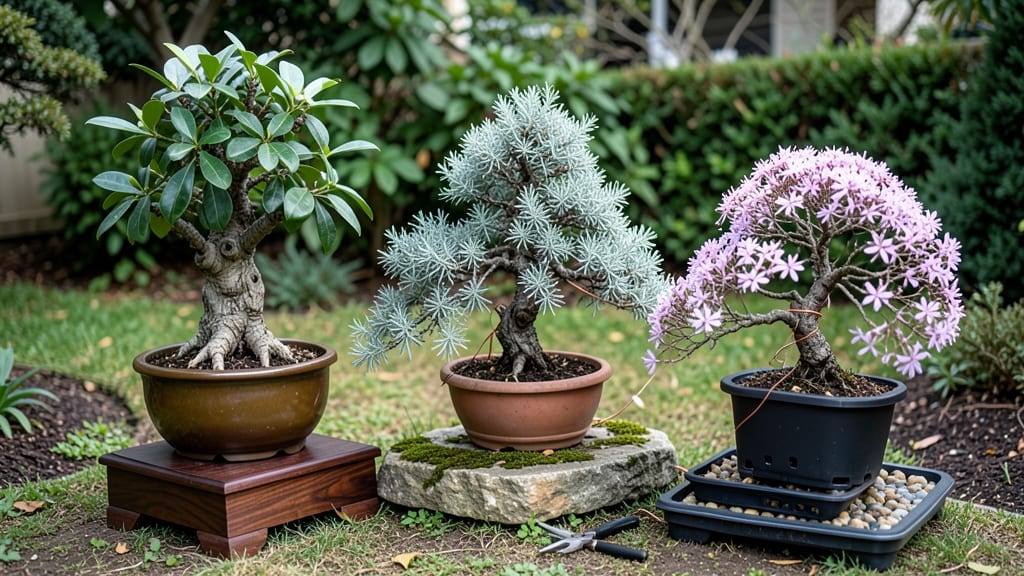
A bonsai tree can grow anywhere from a few inches to three feet tall—all thanks to careful pruning, root restriction, and species selection.
Imagine transforming a towering oak into a delicate desk accessory—or a sprawling pine into a living room centerpiece. The magic of bonsai lies in its ability to control nature’s giants, but how small (or tall) can you really go?
Most bonsai enthusiasts aim for a 1- to 3-foot height, but some species, like the ficus or juniper, naturally stay shorter with the right techniques.
Others, like the black pine, can reach 3+ feet if not pruned aggressively. The key? Understanding your tree’s growth habits and when to intervene.
In this guide, I’ll break down how to maintain your bonsai’s ideal height—whether you want a miniature masterpiece or a slightly taller statement piece—plus the tools and timing that make all the difference.


Bonsai tree height limits: species-specific growth ceilings explained
Bonsai trees are nature's miniature masterpieces, but their maximum heights depend entirely on the species and your cultivation techniques. While most bonsai stay between 6 inches and 3 feet, some species naturally top out at 1.5 feet while others can reach 3+ feet with proper care.
The key lies in understanding each species' growth potential and applying the right root pruning, wiring, and defoliation techniques.
For beginners, it's crucial to select a species that matches your desired bonsai size. Some trees, like juniper bonsai, rarely exceed 1-2 feet in height, while others like ficus bonsai can comfortably grow to 2-3 feet with minimal intervention.
The black pine is a rare exception, capable of reaching 3+ feet when cultivated with expert techniques and ample space.
Here's a quick reference for popular bonsai species and their natural height ceilings:
| Species | Natural Height Range | Bonsai Height Ceiling | Key Growth Factors |
|---|---|---|---|
| Ficus (Fig) | 10-20 ft outdoors | 2-3 ft | Fast growth, responds well to root pruning |
| Juniper | 30-50 ft outdoors | 1-2 ft | Slow growth, needs frequent wiring |
| Azalea | 6-10 ft outdoors | 1-1.5 ft | Flowering species, needs acidic soil |
| Black Pine | 50+ ft outdoors | 3+ ft (with expert care) | Slow growth, requires extensive pruning |
| Chinese Elm | 20-30 ft outdoors | 1.5-2.5 ft | Adaptable, responds well to defoliation |
| Japanese Maple | 25-30 ft outdoors | 1-2 ft | Slow growth, delicate branches |
Your bonsai's height isn't just determined by species—root pruning plays a massive role in controlling growth. By restricting root development, you limit the tree's ability to absorb water and nutrients, which naturally stunts vertical growth.
This is why ficus bonsai can grow taller than juniper bonsai even when both are cultivated in similar conditions.
Wiring is another powerful technique for shaping and limiting height. When you wire a bonsai's branches, you're essentially training them to grow in specific directions. For taller bonsai, use aluminum or copper wire to gently guide branches downward, creating a more compact, controlled shape.
Remember to remove wires before they cut into the bark—usually after 3-6 months.
Defoliation, or partial leaf removal, is a more advanced technique that forces the tree to produce smaller, denser foliage. This method works particularly well with ficus and Chinese elm bonsai.
By removing 1/3 to 1/2 of the leaves in late spring or early summer, you encourage the tree to focus its energy on producing new, miniature leaves rather than growing taller.
Some growers mistakenly believe that all bonsai should stay under 1 foot tall, but this isn't always practical or desirable. In fact, taller bonsai often create more dramatic displays, especially when styled as literati or broad, informal trees.
The key is understanding your species' potential and working with its natural growth habits rather than fighting them.
For those aiming for miniature bonsai under 6 inches, consider species like juniper procumbens 'Nana' or dwarf azalea. These varieties are naturally compact and respond beautifully to extreme root restriction and frequent pruning.
However, be prepared for slower growth—these tiny bonsai can take 5-10 years to reach their mature size.
Remember that bonsai cultivation is a marathon, not a sprint. Patience is your greatest tool when working with height limitations. With each pruning, wiring, and repotting session, you're not just shaping the tree—you're shaping its future growth potential.
The more you understand your species' habits, the better you'll be at achieving your desired height.
🌿 Whether you're aiming for a desk-sized bonsai or a floor-level masterpiece, the secret lies in balancing species selection with careful cultivation techniques. Start with a species that matches your vision, then use pruning, wiring, and defoliation to guide its growth.
How to control bonsai height: pruning, wiring, and advanced techniques
Mastering your bonsai's height requires precision and patience. Unlike regular trees, bonsai thrive on controlled growth, achieved through strategic pruning, wiring, and seasonal adjustments. The key is timing—prune too early or too late, and you risk stunted growth or uncontrolled sprawling.
I’ve learned that spring is ideal for most species, while summer pruning can encourage bushier foliage. But which technique works best for your tree’s species? Let’s break it down.
Every bonsai species responds differently to height control. For example, ficus bonsai can handle more aggressive pruning, while juniper requires gentler touch to avoid stress. The root-over-rock technique, where roots grow over decorative rocks, also influences height—limiting root expansion naturally restricts upward growth.
My first bonsai, a juniper, nearly doubled in height before I mastered these methods. Now, it stays a perfect 18 inches tall with minimal effort.
- Step 1: Prune New Growth
- Use clean, sharp bonsai shears to trim new shoots in spring or early summer.
- Cut just above a leaf node to encourage branching.
- Step 2: Wire for Trunk Shaping
- Wrap aluminum or copper wire around the trunk to guide growth direction.
- Remove wire after 4-6 weeks to avoid scarring.
- Step 3: Defoliate for Miniaturization
- Remove 50-70% of leaves in late spring to reduce leaf size.
- Use sterilized scissors to avoid disease.
- Step 4: Adjust Root Growth
- Repot every 2-3 years to trim root tips.
- Use a well-draining soil mix to restrict root expansion.
- Step 5: Seasonal Care Tweaks
- Reduce watering in winter to slow growth.
- Provide bright indirect light year-round.
Avoid these common mistakes that sabotage height control. Over-pruning in winter weakens the tree, while under-wiring fails to guide trunk growth effectively. I once let my azalea bonsai grow unchecked for a year—it shot up to 24 inches before I could correct it!
Always monitor your tree’s growth rate and adjust techniques accordingly. For instance, pine bonsai need less frequent pruning than maple varieties.
Advanced techniques like air-layering or grafting can further refine height. Air-layering creates a new trunk base, while grafting allows you to combine species for unique shapes. However, these methods require experience and precise timing.
Start with basic pruning and wiring before attempting these. My juniper bonsai now features a curved trunk thanks to careful wiring—something I never thought possible when I started!
Remember, bonsai height control is an ongoing process. Regularly assess your tree’s growth patterns and adjust your approach. With practice, you’ll achieve that perfect miniature look—whether it’s a 6-inch dwarf or a 3-foot statement piece.
The key is consistency and patience. Your bonsai will thank you with lush foliage and stunning form for years to come. 🌿
For species-specific tips, always check your bonsai’s care guide. Some, like ficus, recover quickly from pruning, while others, like elms, need gentler handling. Happy growing! ✂️