
Pruning
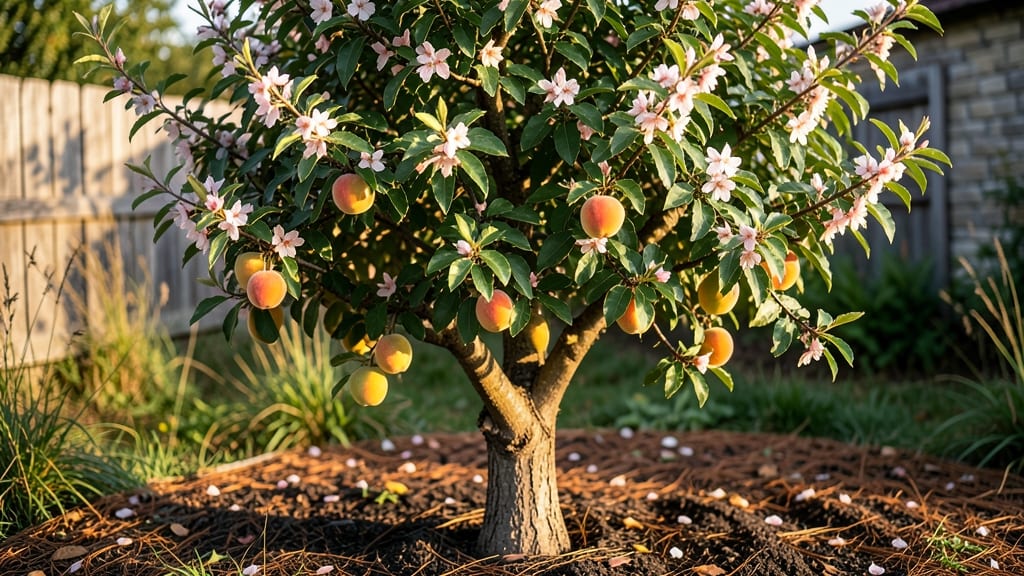
My first hardy peach tree survived a -15°F winter because I chose the right variety. 🌱 These cold-resistant peaches aren't just about survival—they're about reliable harvests in zones where traditional peaches would freeze solid.
Varieties like 'Reliance' and 'Contender' have been my go-to for years, delivering sweet fruit even when other trees give up.
What sets these apart is their ability to handle late frosts and early cold snaps without losing blooms. Most need 200-300 chill hours, but some newer hybrids manage with just 150 hours, making them perfect for shorter winters.
The trade-off? Slightly smaller fruit—but the flavor more than makes up for it.
You'll end up with trees that produce consistently for decades, not just one good year followed by failure. The secret is planting in well-drained soil, choosing a sheltered spot, and protecting young trees with frost cloth during critical bloom periods. Even my black thumb can't kill these.
Works for backyard orchards, small homesteads, or even large-scale farms in marginal climates. Let's get you growing peaches where others quit trying.
📚 In This Guide
- What you need
- Instructions
- Tips and common mistakes
- Wrapping up and next steps
What you need
- ● Hardy peach tree varieties: Choose cold-resistant cultivars like ‘Reliance,’ ‘Redhaven,’ or ‘Contender.’ Buy 1-2 bare-root or potted saplings (1–2 years old) from a reputable nursery.
- ● Planting site: Full sun (6+ hours/day).
- ● Well-draining soil (pH 6.0–7.0).
- ● Sheltered from harsh winds (e.g., near a fence or building).
- ● Soil amendments: Compost (5–10 gallons per tree).
- ● Organic matter (e.g., aged manure or leaf mold).
- ● Fertilizer: Balanced organic fertilizer (e.g., 10-10-10) or slow-release granules (1–2 lbs per tree).
- ● Mulch: Wood chips or straw (2–3 inches deep, keep 6 inches away from trunk).
- ● Pruning tools: Bypass pruners (sharp, clean).
- ● Loppers (for thicker branches).
- ● Hand saw (for large limbs).
- ● Protective coverings (for winter): Tree wrap or burlap (to prevent sunscald).
- ● Frost cloth or row covers (for young trees in extreme cold).
- ● Drip irrigation system or soaker hose (for consistent moisture).
- ● Tree stakes and ties (if planting in windy areas).
- ● Pest control: Neem oil or horticultural oil (for aphids/mites).
- ● Soil test kit (to check nutrient levels before planting).
How to select and plant hardy peach tree varieties
Cold-hardy peaches thrive in northern climates—here’s how to pick the right varieties and get them growing strong.
🌱 Step 1: Choose the Right Cold-Resistant Varieties
Look for peach cultivars labeled USDA Zone 4-6 hardy, like 'Contender,' 'Reliance,' or 'Harvester.' These varieties survive winter temperatures down to -20°F without needing extra protection. Check your last frost date—most northern growers plant in early May, after the risk of frost has passed.
Dwarf rootstocks (like 'Lovell' or 'Nemaguard') help smaller yards fit full-sized peach trees. They produce fruit just as well but stay under 12 feet tall. I always verify the variety’s chill hours—400-600 hours below 45°F—to ensure reliable flowering in colder regions.
☀️ Step 2: Pick the Perfect Planting Spot
Peaches need full sun (6-8 hours daily) and shelter from harsh winds. A south-facing wall or fence provides winter protection while maximizing spring warmth. Avoid low spots where cold air settles—peach blossoms are especially frost-sensitive.
Test soil drainage before planting. Peaches hate soggy roots, so dig a 1-foot deep hole and fill it with water. If it doesn’t drain within 2-3 hours, amend the soil with 2-3 inches of compost or plant on a slight mound.
🪴 Step 3: Plant Bare-Root Trees at the Right Time
Bare-root trees arrive dormant in early spring—plant them immediately upon receipt. Soak roots in lukewarm water for 1-2 hours before handling. The graft union (raised bump near the base) should sit 2 inches above soil level—this prevents root rot while protecting against cold.
Spread roots gently without bending them, then backfill with native soil mixed with 1 part compost. Water deeply until soil settles, then add 2-3 inches of mulch (straw or wood chips) to retain moisture and insulate roots. Avoid piling mulch against the trunk—keep it 3 inches away to prevent rot.
✂️ Step 4: Prune for Cold Hardiness and Fruit Production
Prune in late winter (before buds swell) to remove dead wood and open the canopy for airflow. Cut back wild suckers (shoots from the rootstock) immediately—they drain energy from fruit production. Leave 3-4 main scaffold branches for structure.
Thin fruit in late spring to 6-8 inches apart—this prevents overcrowding and improves fruit size. Overloaded branches snap under winter ice, so less is more. I always prune after the last frost, when new growth is visible but not yet tender.
💧 Step 5: Winterize for Northern Survival
Wrap the trunk with tree wrap or burlap in late fall to prevent sun scald. Pile 12-18 inches of mulch around the base (but not against the trunk) to insulate roots. In Zone 4 or colder, wrap the entire canopy with frost cloth if winters are unusually harsh.
Water trees deeply in fall before the ground freezes—this replenishes moisture lost over winter. Avoid winter watering once the ground is frozen, as it can damage roots. In early spring, resume watering when soil thaws to 2 inches deep, encouraging strong new growth.
Tips & tricks for perfect hardy peach tree planting
These practical insights will help you avoid common pitfalls and maximize your northern peach tree's success from day one.
Variety Verification: When selecting your cold-hardy peach varieties, always double-check the chill hour requirement—specifically those 400-600 hours below 45°F mentioned in Step 1. Some nurseries list approximate ranges, but your local agricultural extension office can provide precise data for your specific microclimate. I once planted 'Contender' in a Zone 5 area expecting reliable flowering, only to discover it needed 650 chill hours—our winter barely hit 600. The tree produced minimal fruit that first year.
Sunlight Strategy: For the crucial 6-8 hours of full sun required in Step 2, consider your property's sun patterns throughout the day. Early morning sun helps dry dew quickly (preventing fungal issues), while afternoon sun maximizes warmth. If your yard has afternoon shade, position the tree to capture those critical morning rays. I planted mine facing southeast to get both benefits—this simple adjustment made a noticeable difference in fruit quality.
Drainage Test Hack: The 2-3 hour drainage test in Step 2 is non-negotiable, but here's how to make it foolproof: After digging your 1-foot deep hole and filling it with water, mark the water level on the shovel handle. If water disappears within 2 hours, your soil drains well. If it's still visible after 3 hours, you absolutely need to amend with compost or create a raised bed. I've seen peach trees fail spectacularly in "well-draining" soil that was actually just slow-draining—don't make that mistake.
Winter Watering Wisdom: That final watering deeply in fall before the ground freezes (Step 5) is your tree's insurance policy for winter survival. To ensure proper depth, use a soil probe or long screwdriver to check moisture levels 2 inches deep after watering. If it comes out dry, water again—this prevents root desiccation during cold months. I've seen trees with perfect winter protection still suffer because they weren't properly hydrated before freeze-up.
Pro Tips for Hardy Peach Tree Varieties
- These practical insights will help you avoid common pitfalls and maximize your northern peach tree's success from day one.
- Variety Verification: When selecting your cold-hardy peach varieties, always double-check the chill hour requirement—specifically those 400-600 hours below 45°F mentioned in Step 1.
- Sunlight Strategy: For the crucial 6-8 hours of full sun required in Step 2, consider your property's sun patterns throughout the day.
Frequently asked questions
Got questions about growing hardy peach trees in colder climates? You’re not alone! Here are answers to the most common concerns—from planting to harvest—so you can confidently cultivate cold-resistant peaches.
How cold can hardy peach trees tolerate?
Most hardy peach varieties handle temperatures down to -15°F to -20°F (-26°C to -29°C) once established, but flower buds are more sensitive (typically surviving to -10°F/-12°C). Choose varieties like ‘Reliance’ or ‘Contender’ for northern gardens—just protect young trees with mulch or frost cloth in early spring!
When is the best time to plant hardy peach trees?
Plant in early spring (after last frost) or fall (6–8 weeks before first frost) for best root establishment. Avoid planting in summer heat—young trees stress easily. If planting in fall, water deeply before winter to prevent drought stress. Pro tip: Soak roots in water for 1–2 hours before transplanting!
Can I grow peaches in containers or small spaces?
Yes! Dwarf varieties like ‘Bonanza’ or ‘Redhaven’ (grafted onto semi-dwarf rootstock) thrive in 15–20 gallon containers with well-draining soil. Place pots in full sun and move them to a garage or sheltered spot in winter. Warning: Containers dry out faster—water consistently and fertilize monthly in growing season.
What pests or diseases should I watch for in cold climates?
Hardy peaches are less prone to fungal diseases (like brown rot) but can still face:
- Peach tree borers: Look for sawdust-like frass near the trunk. Prevent with pruning paint on cuts.
- Aphids: Spray with water or use neem oil for organic control.
- Fire blight: Remove infected branches 6 inches below the lesion and sterilize tools.
Why aren’t my hardy peach tree’s fruits ripening?
Common culprits:
- Insufficient sunlight: Peaches need 6–8+ hours of direct sun daily.
- Poor pollination: Plant two compatible varieties (e.g., ‘Contender’ + ‘Reliance’) for cross-pollination.
- Nutrient deficiency: Yellow leaves? Test soil and amend with citrus-specific fertilizer (high in zinc/manganese).
- Young tree: Trees 3–5 years old may produce flowers but few fruits—be patient!
Wrapping up and next steps
Choosing a hardy peach tree variety for your northern garden means you can enjoy sweet, juicy fruit even in cooler climates! These cold-resistant options—like Relenta or Contender—bring reliability and flavor without the worry of frost damage.
With the right care, your peach tree will thrive and reward you with bountiful harvests for years to come.
Ready to plant? Start by selecting your variety based on your zone, then gather your tools and get growing! 🌱 Whether you're a seasoned gardener or just starting, these hardy peaches make the perfect addition to any yard.