
Pests and Diseases
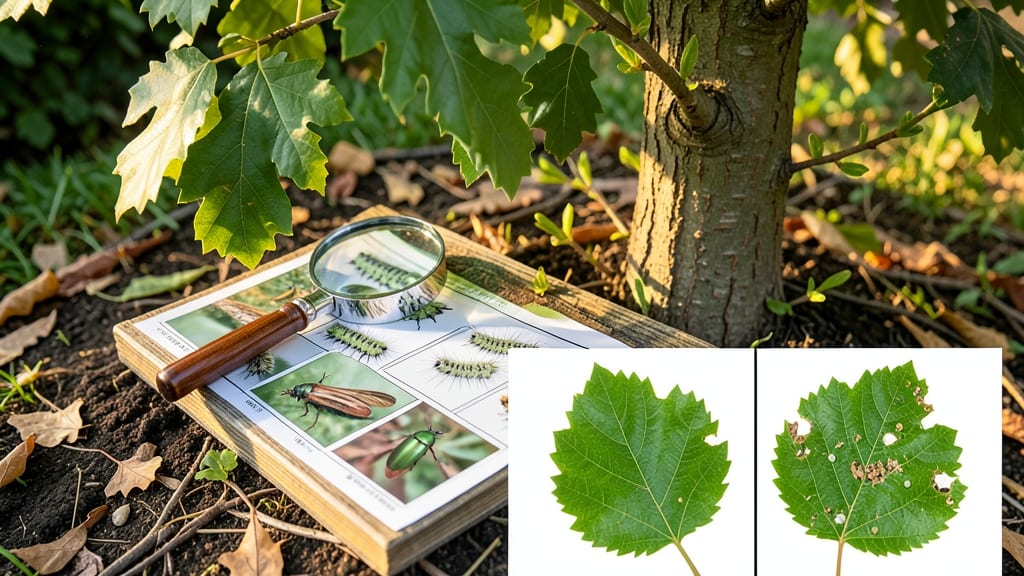
Holes in tree leaves mean trouble—but you can fix it fast. 🌳 I’ve turned my oak’s skeletonized leaves into lush green within weeks by identifying the culprit first. The key is acting before the pests move deeper into the tree.
Most holes come from chewing insects like caterpillars, beetles, or mites—not diseases. Look for larvae, frass (tiny sawdust-like droppings), or webbing. Ragged edges? Likely caterpillars. Perfect circles? Japanese beetles. The faster you spot these clues, the easier it is to stop the damage.
Start with organic fixes: blast off pests with a strong spray of water, apply neem oil, or introduce beneficial insects like ladybugs. For severe cases, insecticidal soap or horticultural oil works—but test a small area first. Prevention is easier: keep your tree healthy with proper watering and mulching.
If the holes keep spreading or the tree looks stressed, call an arborist. Some damage is irreversible, but early action saves most trees. Your goal? Stop the holes before they turn your tree into a snack bar for pests.
Common Causes of Leaf Damage
When you spot unexpected holes in your tree leaves, it’s rarely a random act of nature—there’s almost always a culprit behind it. Understanding why these perforations appear is the first step to saving your tree’s health.
Below, we break down the most common reasons, from tiny insects to environmental stress, with science-backed explanations to help you diagnose the issue fast.
Most leaf holes are the work of hungry insects munching on foliage. These pests don’t just damage leaves—they can weaken trees over time, making them vulnerable to disease. Here’s how to spot the difference between common chewers:
-
Caterpillars (e.g., tent caterpillars, loopers, or gypsy moths):
These fuzzy or smooth-bodied larvae leave behind irregular, jagged holes and often skeletonize leaves (eating everything but the veins). Look for:
- Silken webs or tents in tree branches.
- Frass (chewed leaf debris) clinging to leaves.
- Multiple holes clustered in one area.
-
Beetles (e.g., Japanese beetles, leafminers, or flea beetles):
Beetles create precise, round or shot-like holes—think of a stencil effect. Japanese beetles, for example, chew scalloped edges and favor roses, linden, and birch trees.
-
Leafcutter bees or wasps:
These beneficial insects cut semi-circular or rectangular pieces from leaves to line their nests. The damage is usually neat and clean, not ragged.
💡 Pro Tip: Check the underside of leaves for eggs or larvae—this is where many chewers hide during the day.
While insects are the usual suspects, pathogens can also create hole-like damage, often as a secondary effect. Here’s how to tell if microbes are at play:
-
Anthracnose:
This fungal disease causes shot holes (tiny, dead patches) and brown, sunken lesions on leaves. It thrives in wet, humid conditions and often appears in spring. Look for:
- Leaves with ragged, irregular holes and yellow halos.
- Premature leaf drop.
-
Leaf Spot Diseases (e.g., Septoria or Cercospora):
These fungi create small, circular dead spots that may fall out, mimicking holes. Unlike insect damage, fungal spots often have:
- A dark center with a lighter border.
- Visible spores (black or gray dots) on the leaf surface.
-
Bacterial Leaf Scorch:
Caused by Xylella fastidiosa, this bacteria clogs a tree’s water transport system, leading to:
- Brown, crispy edges on leaves (like they’ve been scorched).
- Holes forming as dead tissue falls out.
🌡️ Key Difference: Fungal/bacterial damage often appears first as discoloration before holes form. Insect damage, however, usually shows immediate holes with frass or webbing.
Not all leaf holes come from living things—sometimes, physical forces or extreme conditions weaken leaves, making them susceptible to tearing. Common culprits include:
-
Hail or Wind Damage:
Large hailstones or high winds can punch irregular, uneven holes in leaves. Look for:
- Torn edges (not clean cuts).
- Damage across multiple leaves at once.
- Other signs of storm stress, like broken branches.
-
Freeze or Frost Injury:
Sudden cold snaps can cause brown, water-soaked spots that eventually fall out, leaving holes. Affected leaves may also:
- Feel leathery or brittle.
- Show purple or black discoloration.
-
Mechanical Damage (e.g., Lawn Equipment, Animals):
Mowers, trimmers, or even deer rubbing against trees can tear leaves. These holes are usually:
- Large and jagged.
- Found in specific patterns (e.g., along a fence line).
✨ Quick Test: Hold a leaf up to light—environmental holes often have no frass or webbing, just clean tears.
Sometimes, leaf holes are a symptom of deeper problems, like nutrient deficiencies or chemical burns. Here’s what to watch for:
-
Nitrogen Deficiency:
Leaves may develop yellow patches that fall out, creating holes. Other signs:
- Pale green or yellow leaves (older leaves first).
- Stunted growth.
-
Herbicide Drift or Over-Fertilization:
If leaves show bleached or white spots that turn into holes, nearby lawn treatments (like 2,4-D) might be the cause. Look for:
- Symmetrical damage on one side of the leaf.
- No insects or larvae present.
-
Salt or Pollution Damage:
Urban trees near roads or de-icing salts may develop brown, hole-like necrosis due to:
- Excess sodium in soil.
- Ozone or sulfur dioxide from pollution.
📊 Diagnostic Tip: Take a soil test if you suspect nutrient issues—holes from deficiencies often appear gradually over weeks, not overnight.
Fixing Leaf Damage Fast
Now that you’ve identified the culprit behind those pesky holes in your tree leaves, it’s time to act! The right approach depends on whether the damage is caused by pests, disease, environmental factors, or human activity.
Below, we’ve broken down practical, step-by-step solutions for each common cause—plus tips to keep your trees healthy long-term.
If insects are the culprits, your first line of defense is interruption and removal. Here’s how:
🔥 Chew Marks (Caterpillars, Beetles, or Sawflies)
- Handpick Larvae 👨🍳
- Wear gloves and inspect leaves for fat, fuzzy caterpillars (like tent caterpillars or gypsy moths).
- Drop them into soapy water (1 tbsp dish soap per gallon) to kill them instantly.
- Use Natural Sprays 🌿 - Bt (Bacillus thuringiensis): A bacteria-based spray safe for pets and kids.
Mix as directed and apply in the evening to avoid harming bees. - Neem Oil: Spray a 1% solution on leaves (mix 2 tbsp neem oil + 1 tsp mild soap + 1 quart water). Reapply every 7–10 days.
- Physical Barriers 🛡️
- Wrap tree trunks with burlap bands coated in petroleum jelly (sticky enough to trap climbing beetles like emerald ash borers).
- Prune & Destroy ⏰
- Cut and bag heavily infested branches (especially with tent caterpillars). Seal the bag and dispose of it in outdoor trash.
🍳 Tiny Holes (Spider Mites or Leafminers)
- Blast Them Off 💦
- Use a strong hose spray (60 PSI) to dislodge mites and eggs from leaves. Do this early in the morning.
- Introduce Predators 🕷️
- Ladybugs and lacewings eat spider mites. Buy them online or attract them with dill or fennel plants nearby.
- Systemic Insecticide (Last Resort) 💉
- For severe infestations, use imidacloprid (follow label instructions). Apply to soil in early spring before pests emerge.
If the holes are from anthracnose, bacterial leaf spot, or powdery mildew, focus on fungicide, sanitation, and airflow:
💡 Wet or Mushy Leaves (Anthracnose or Bacterial Spot)
- Prune for Airflow 🌬️
- Thin out dense foliage to improve air circulation. Remove crossing branches and dead leaves.
- Apply Fungicide 🍄
- Use copper fungicide (for bacterial spot) or chlorothalonil (for anthracnose). Spray every 10–14 days during wet seasons.
- Sterilize Tools 🔪
- Clean pruners with 70% rubbing alcohol between cuts to prevent spreading disease.
- Water at the Base 💧
- Avoid overhead watering. Use drip irrigation or soaker hoses to keep leaves dry.
🎯 White or Gray Fuzz (Powdery Mildew)
- Baking Soda Spray ✨
- Mix 1 tbsp baking soda + 1 tsp soap + 1 gallon water. Spray leaves until damp (reapply weekly).
- Reflective Mulch 🪐
- Cover soil with white plastic mulch to reflect sunlight and reduce humidity near the tree.
If the holes are from wind, hail, or lawn equipment, prevention is key:
🌬️ Wind or Hail Tears
- Stake Young Trees 🪵
- Use tree ties and stakes to support weak branches during storms.
- Plant Windbreaks 🌳
- Add hedges or shrubs as natural barriers for delicate trees.
🪓 Lawnmower or String Trimmer Injury
- Adjust Mowing Height 🌱
- Keep grass 3–4 inches tall to shield tree roots and trunks from damage.
- Use a Shield 🛡️
- Attach a metal guard to your trimmer to protect tree bark when edging.
- 🌿 Mulch Properly: Apply 2–4 inches of mulch (keep it 6 inches away from the trunk) to deter pests and retain moisture. - 🍃 Fertilize Smartly: Over-fertilizing attracts pests.
Use a slow-release, balanced fertilizer (10-10-10) in early spring. - 🔍 Inspect Regularly: Check leaves weekly during growing seasons for early signs of trouble. - 🌧️ Drainage Matters: Ensure trees aren’t sitting in standing water—this invites fungal growth.
By tackling the root cause (literally!) and following these steps, your tree should bounce back with stronger, hole-free foliage in no time. 🌳💚
Frequently asked questions
Why do some holes in leaves look like Swiss cheese while others are jagged?
Swiss-cheese-like holes usually come from leafminers or anthracnose fungus, which create tiny, precise openings. Jagged holes are almost always caused by caterpillars chewing irregularly—think of them as nature’s paper shredders! Check the leaf underside for clues: leafminers leave blister-like trails, while caterpillars leave frass (tiny black droppings).
Can I save my tree if half the leaves already have holes?
Yes, but act fast! If it’s pests, handpick larvae and apply neem oil immediately. For disease, prune infected branches and use fungicide. The key is stopping further damage—trees can regrow leaves, but severe infestations may require professional help. Monitor weekly and keep the tree healthy with proper watering and mulch.
Are holes in leaves always bad? What about leafcutter bees?
Not always! Leafcutter bees cut neat semi-circles to build nests—they’re actually beneficial pollinators. Other harmless culprits include deer rubbing against branches or wind tearing leaves. Look for these clues: clean cuts (bees), torn edges (wind), or no frass (physical damage). If you’re unsure, check for eggs or larvae first.
How do I know if my tree has a serious pest problem vs. just a few bugs?
Serious problems show these red flags: 50%+ leaf damage, new holes daily, or larvae everywhere. Light infestations might have a few holes but slow spread. Test your tree by shaking a branch over a white sheet—if you see dozens of larvae or beetles, it’s time for stronger action (like systemic insecticide). Start with organic fixes first.
Will my tree recover if I fix the problem now?
Most trees bounce back if you act within 2-3 weeks of first noticing holes! Young leaves will regrow quickly, but severe cases may need extra care