
Pests and Diseases
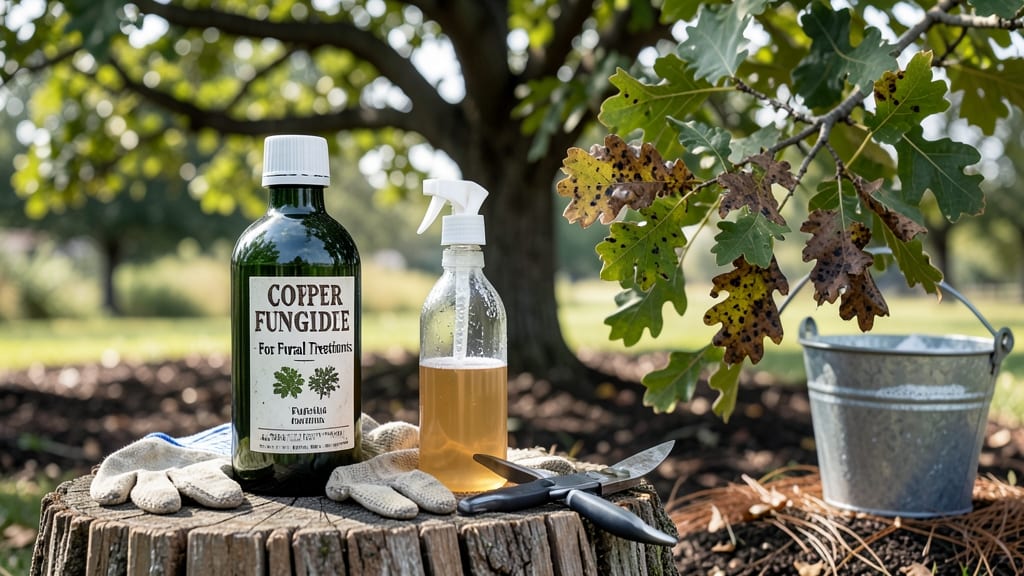
The treatment for black spots on tree leaves can turn your yard into a sad, spotted mess—unless you act fast. 🌿 I’ve battled this fungal nightmare with my oak tree, and these three simple steps saved it (and my sanity). The key is identifying the problem first: is it anthracnose, rust, or just environmental stress? Each needs a slightly different fix, but the core approach stays the same.
Most black spots start as tiny dark freckles that spread like ink in water. Prune infected branches first—sterilize your tools with rubbing alcohol to avoid spreading spores. Then, focus on improving air circulation (thin crowded branches) and watering at the base, never overhead.
Organic options like neem oil or baking soda spray work wonders for mild cases, but severe infections might need a copper fungicide.
Within two weeks, you’ll see new growth pushing through clean, unspotted leaves. The tree will look healthier than ever, and those pesky spots won’t return if you stay vigilant. I’ve kept my oak thriving for three seasons now—no more blackened canopies or worried weekends spent Googling fixes.
For stubborn cases or valuable trees, call an arborist. But for most homeowners, this method works like a charm—simple, effective, and no fancy equipment needed. Let’s get those leaves shining again!
The Hidden Triggers Behind Leaf Spots
Black spots on tree leaves aren’t just an eyesore—they’re often a cry for help from your plants. Understanding the root causes is the first step to restoring your trees’ health. Below, we break down the most common reasons why these unsightly marks appear, complete with the science behind them.
Fungi are the #1 reason for black spots on leaves, thriving in warm, damp conditions. These microscopic invaders release spores that land on leaves, germinate, and create dark, often circular spots. The most notorious fungal offenders include:
- Anthracnose: Causes sunken, dark spots with yellow halos, often appearing on young leaves or fruit trees like apples and cherries. Colletotrichum fungi love humidity and poor air circulation.
- Leaf Spot Diseases (e.g., Septoria, Cercospora): These create tiny black or brown spots with feathery edges. Septoria thrives in wet foliage, while Cercospora targets stress-prone trees like oaks and maples.
- Sooty Mold: Not a true leaf spot, but a black, velvety fungus that grows on honeydew (sugary waste from aphids or scale insects). It clings to surfaces but weakens photosynthesis.
🔍 Pro Tip: Check the underside of leaves—fungal spores often start there! If spots spread rapidly in wet weather, fungi are likely the villain.
Some black spots aren’t from fungi at all—they’re collateral damage from pests feasting on your tree. Insects like mites, aphids, and beetles can:
- Inject toxins (e.g., spotted lanternfly saliva causes blackened, wilted patches on maples and oaks).
- Scrape leaf surfaces, creating stippled or necrotic (dead) black spots (common with japanese beetles on roses and linden trees).
- Leave behind sooty mold (as mentioned above) by excreting honeydew, which attracts mold spores.
💡 Key Clue: Look for tiny holes, chewed edges, or sticky residue on leaves. If you spot pests, treat them first—they’re often the real problem!
Not all black spots are biological. Extreme weather, poor soil, or physical trauma can trigger leaf discoloration:
| Cause | What It Looks Like | Why It Happens |
|---|---|---|
| Heat or Sunburn | Crispy, blackened edges or patches (common on young, tender leaves). | Intense sunlight + dry air causes oxidative stress, killing leaf cells. Often seen on broadleaf evergreens like boxwoods. |
| Frost or Freeze Damage | Blackened, water-soaked spots (especially on tropical or subtropical trees like citrus or camellias). | Ice crystals rupture cell walls, leading to necrosis (cell death). |
| Chemical Burn | Irregular black or brown patches, often along leaf margins. | Overuse of fertilizers (especially salt-based) or herbicides/drift from nearby treatments. |
| Mechanical Injury | Ragged black spots with torn edges (e.g., from hail, lawnmower damage, or animal scratches). | Physical trauma exposes tissues to pathogens or disrupts nutrient flow. |
✨ Prevention Tip: Mulch heavily around tree bases to protect roots from temperature swings, and avoid overhead watering in hot sun to prevent burn.
When trees lack key nutrients, leaves can develop black spots as a symptom of broader health issues:
- Magnesium Deficiency: Causes interveinal chlorosis (yellowing between veins) that progresses to blackened, crinkled spots. Common in pines and evergreens on alkaline soils.
- Potassium Deficiency: Leads to necrotic spots with yellow borders, often on older leaves. Trees under drought stress are especially vulnerable.
- Iron Chlorosis: In alkaline soils, iron becomes unavailable, causing blackened, brittle leaves (common in hydrangeas, azaleas, and fruit trees).
📊 Soil Test Tip: If you suspect deficiencies, test your soil’s pH and nutrient levels. Amend with chelated iron or Epsom salt (magnesium sulfate) as needed.
Now that you know the culprits, the next step is targeted treatment—but fixing the cause often starts with removing infected leaves and improving growing conditions. Stay tuned!
Fix Black Spots Fast
Now that you know the root causes behind those pesky black spots on your tree leaves—whether it’s fungal infections, environmental stress, or pests—it’s time to roll up your sleeves and restore your tree’s lush, healthy glow. 🌿✨ Below are practical, step-by-step solutions tailored to each culprit, plus prevention tips to keep your tree thriving long-term.
Fungal diseases like anthracnose, sooty mold, or black spot thrive in damp conditions. Here’s how to tackle them:
🔥 Step 1: Remove the Problem Leaves
- 👨🍳 Gather tools: Wear gloves and grab pruning shears, a bucket, and a plastic bag.
- 🥘 Trim infected foliage: Snip off all leaves with black spots—don’t leave any behind, or the fungus will spread.
- 🔪 Disinfect tools: Wipe your shears with 70% rubbing alcohol or a 10% bleach solution (1 part bleach to 9 parts water) between cuts to prevent cross-contamination.
🌡️ Step 2: Improve Airflow and Light
Fungi love shade and humidity. Break up the party by:
- ✨ Thinning out dense branches to allow sunlight and air to circulate.
- 🎯 Pruning nearby plants that block airflow (like overgrown shrubs).
- 💡 Avoid overhead watering—water at the base of the tree in the early morning so leaves dry quickly.
🎯 Step 3: Apply Fungicide (If Needed)
For stubborn infections, organic or chemical fungicides can help:
- 🍎 Organic options:
- Neem oil spray (mix 1 tbsp neem oil + 1 tsp mild soap + 1 quart water; spray every 7–10 days).
- Baking soda spray (1 tsp baking soda + 1 quart water + a few drops of dish soap; test on a small leaf first).
- 💪 Chemical options (for severe cases):
- Copper fungicide (follow label instructions).
- Systemic fungicides like chlorothalonil (for anthracnose).
💡 Pro Tip: Always follow label directions—overusing fungicides can harm beneficial insects or the tree itself.
If black spots are due to sunburn, nutrient deficiency, or poor watering, fix these issues:
🔥 Step 1: Check Watering Habits
- 🌧️ Overwatering? Let the top 2–3 inches of soil dry between waterings.
- 💦 Underwatering? Water deeply 1–2 times per week (depending on climate) and mulch to retain moisture.
- 🔥 Avoid wetting leaves—use a soaker hose or drip irrigation instead.
🌡️ Step 2: Shield from Harsh Sun
- 🌿 Young trees or sensitive species? Provide partial shade during peak sun (10 AM–4 PM) with a lightweight shade cloth.
- 💡 Gradual acclimation: If moving a tree to a sunnier spot, harden it off over 2–3 weeks.
🍎 Step 3: Boost Nutrients
- 📊 Soil test first! Check pH and nutrient levels (most trees prefer 6.0–7.0 pH).
- 💪 Fertilize wisely:
- Slow-release organic fertilizer (like fish emulsion or compost) in early spring.
- Avoid high-nitrogen fertilizers if your tree has iron deficiency (yellowing between veins).
If aphids, mites, or scale insects are the culprits, here’s how to evict them:
🔥 Step 1: Blast Off Pests
- 💦 Strong water spray: Use a hose nozzle to blast pests off leaves (do this in the early morning).
- 🍳 Insecticidal soap: Mix 2.5 tbsp castile soap + 1 quart water and spray directly on pests (reapply every 5–7 days).
- 🔪 Neem oil spray (same recipe as above) smothers pests and eggs.
🌡️ Step 2: Introduce Beneficial Predators
- 🐞 Ladybugs, lacewings, or parasitic wasps eat aphids and mites. Buy them from a garden center or attract them with native plants like dill, fennel, or marigolds.
🎯 Step 3: Prevent Future Infestations
- 🌿 Keep the area clean—remove fallen leaves and debris where pests hide.
- 💡 Avoid broad-spectrum pesticides (they kill good bugs too!).
Once your tree is healthy, lock in those gains with these long-term strategies:
| Problem | Prevention Tip |
|---|---|
| Fungal Spread | Space trees 3–5 feet apart for airflow; clean tools after pruning. |
| Sunburn | Acclimate trees slowly to full sun; mulch to protect roots. |
| Pests | Inspect leaves weekly; plant pest-repelling herbs (like basil or mint). |
| Nutrient Deficiency | Test soil annually; add compost in fall for winter protection. |
| Overwatering | Install a rain gauge to track moisture; use moisture meters for precision. |
💡 Final Thought: Consistency is key! Monitor your tree weekly, adjust care as needed, and act fast at the first sign of trouble. With these steps, your tree will be spot-free and flourishing in no time. 🌳💚
Frequently asked questions
Can I use household vinegar to treat black spots on tree leaves?
While vinegar is great for cleaning, it's not safe for treating leaf spots. Vinegar's acidity can burn leaves and harm beneficial soil microbes. Instead, use a 1% hydrogen peroxide solution (3% diluted with water) or a baking soda spray (1 tsp baking soda + 1 quart water + a few drops of dish soap) for a gentle, effective alternative. Always test on a small leaf area first.
How do I know if my tree's black spots are from a fungal infection or just dirt?
Fungal spots are usually dark, often circular with feathery edges, while dirt appears as random specks that wipe off easily. Run your finger across a spot—if it leaves a mark, it's likely fungal. Check the leaf undersides too; fungal spores often appear there first. If spots spread quickly in damp weather, you're dealing with a fungal issue.
Is it safe to compost leaves with black spots?
Never compost infected leaves—they'll spread spores to your compost pile and potentially back to your garden. Instead, bag and dispose of heavily spotted leaves in the trash. For mild cases, you can compost small amounts of leaves with spots only if you've treated them with a fungicide first and they're completely dry.
How often should I apply neem oil for fungal treatment?
Apply neem oil every 7–10 days for fungal treatment, especially during humid weather. Mix 1 tablespoon neem oil + 1 teaspoon mild soap + 1 quart water, and spray thoroughly on both leaf surfaces. Stop applications 2 weeks before harvest if treating fruit trees. Neem oil works best as a preventative when used consistently.
When should I call an arborist for black spots on my tree?
Consult an arborist if you notice rapid leaf drop, cracking bark, or spots spreading despite treatment. Also call if your tree is large, valuable, or rare, or if you suspect disease like anthracnose on fruit trees. Professional diagnosis ensures you use the right treatment without harming your tree. Most homeowners can handle mild cases with proper care.