
Pests and Diseases
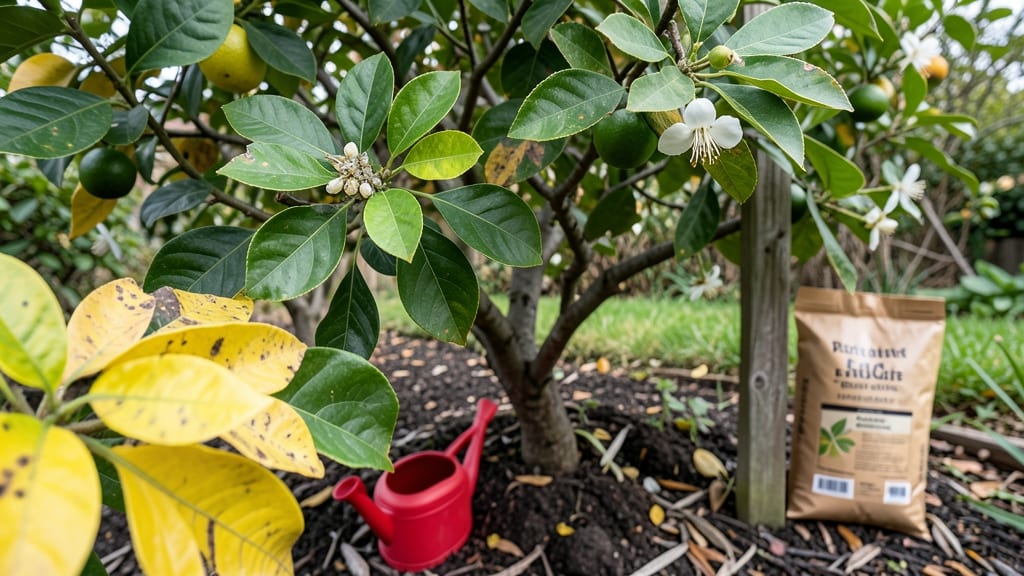
Your orange tree’s leaves turning yellow isn’t just a cosmetic issue—it’s a cry for help. 🌿 The most common culprit? Nutrient deficiencies, especially nitrogen or iron, but overwatering, pests, or even disease could be the real problem lurking beneath the soil.
Start by examining the yellowing pattern: bright yellow between veins suggests iron deficiency, while overall pale leaves point to nitrogen. Check the soil—if it’s soggy, you’re overwatering; if it’s bone dry, that’s another clue.
Pests like aphids or mites often leave behind sticky residue or tiny webs on the undersides of leaves. The good news? Fixing it is often as simple as adjusting your watering schedule, applying the right fertilizer, or a targeted spray for pests.
Within weeks, you’ll see those vibrant green leaves returning, and your tree will be back to producing juicy oranges instead of sad, yellowing foliage. This works for citrus trees in pots or in the ground, whether you’re dealing with a young sapling or a mature tree.
Let’s turn that yellowing around!
Why it happens
When your beloved orange tree’s leaves start turning yellow, it’s usually a cry for help—often tied to underlying issues like nutrient imbalances, water stress, or environmental factors. Understanding the why behind the yellowing is the first step to restoring your tree’s health.
Below, we break down the most common culprits, explained in simple, actionable terms so you can diagnose and fix the problem fast.
🌱 Nutrient Deficiencies: The Hidden Starvation
Yellowing leaves are often a sign your orange tree isn’t getting the right nutrients. The most common deficiencies include:
- Nitrogen (N) Deficiency: Leaves turn pale yellow, starting with the oldest ones. Nitrogen is crucial for leaf growth, and a lack of it stunts photosynthesis. Test your soil—if it’s low in nitrogen, amend it with compost or a balanced fertilizer (e.g., 10-10-10).
- Iron (Fe) Chlorosis: New leaves turn bright yellow with green veins—a classic sign of iron deficiency, common in alkaline soils. Iron is essential for chlorophyll production. Apply chelated iron or use sulfur-based soil amendments to lower pH and improve uptake.
- Magnesium (Mg) Deficiency: Yellowing appears between leaf veins (interveinal chlorosis), often starting on older leaves. Magnesium is a key component of chlorophyll. Use Epsom salt (magnesium sulfate)—mix 1 tablespoon per gallon of water and spray or water the tree monthly.
- Zinc (Zn) or Manganese (Mn) Deficiency: Leaves may show yellowing with brown spots or stunted growth. These micronutrients are vital for enzyme function. Apply a foliar spray with zinc sulfate or manganese sulfate to bypass soil issues.
Pro Tip: 💡 Before fertilizing, test your soil (pH and nutrient levels) to avoid overcorrecting. Many deficiencies stem from poor soil pH—aim for a 6.0–7.0 range for citrus trees.
💧 Water Woes: Too Much Or Too Little
Water stress is a top reason for yellow leaves, but the symptoms differ based on whether your tree is overwatered or underwatered.
- Overwatering: Leaves turn yellow and feel soggy, often with brown edges. Root rot (from Phytophthora or Fusarium fungi) cuts off oxygen, suffocating roots. Fix it: Let the top 2–3 inches of soil dry out between waterings and improve drainage by amending soil with perlite or sand.
- Underwatering: Leaves yellow and curl at the edges, especially in hot weather. Citrus trees need 1–1.5 inches of water per week, more in extreme heat. Solution: Water deeply at the base (not the leaves) and mulch to retain moisture.
Watch Out: 🌡️ Yellowing can also signal salt buildup from tap water or poor drainage. If your water has high sodium levels, use rainwater or install a filter.
🌡️ Environmental Stress: Heat, Cold, Or Windburn
Extreme temperatures or harsh conditions can shock your orange tree, causing leaves to yellow as a survival response.
- Heat Stress: In scorching weather, leaves may scorch (yellow/brown patches) or drop prematurely. Provide shade cloth (30–50%) during peak sun and water early in the morning to reduce evaporation.
- Cold Damage: Frost or freezing temps can cause brown/yellow patches or leaf drop. Citrus trees thrive in USDA Zones 9–11—if you’re in a colder zone, plant in a protected microclimate or use frost cloths.
- Windburn: Strong winds desiccate leaves, leading to yellowing and crispy edges. Solution: Plant near a windbreak (like a fence or hedge) or stake young trees for support.
🦟 Pests And Diseases: Silent Saboteurs
While nutrient issues are common, pests and diseases can also trigger yellowing. Look for these red flags:
- Spider Mites: Tiny pests suck sap, causing yellow stippling on leaves. Check the undersides of leaves for webbing. Treat with neem oil or insecticidal soap.
- Scale Insects: These armored pests create sticky honeydew and sooty mold, leading to yellowing. Scrape them off or use horticultural oil.
- Fungal Infections (e.g., Citrus Canker): Yellowing with oozing lesions or black spots signals disease. Prune infected branches, sterilize tools, and apply copper fungicide.
Quick Check: ✨ Inspect leaves closely—if you spot pests or unusual spots, act fast to prevent spread.
🌿 Root Problems: Compaction Or Damage
If roots are restricted or damaged, your tree can’t absorb water/nutrients efficiently, leading to yellow leaves.
- Soil Compaction: Heavy or clay soil suffocates roots, reducing nutrient uptake. Solution: Aerate the soil with a garden fork or add organic matter (compost, coconut coir).
- Root Rot: From overwatering or poor drainage, roots turn mushy and black. Action: Improve drainage, reduce watering, and consider root-pruning if severe.
- Girdling Roots: Roots growing around the trunk strangle the tree, cutting off nutrients. Fix: Gently loosen roots with a knife (wear gloves!) and mulch to encourage outward growth.
How to Fix Your Tree’s Yellowing Leaves
Now that you’ve identified the root cause of your orange tree’s yellowing leaves, it’s time to take action! Below are practical, step-by-step solutions tailored to each common issue—plus prevention tips to keep your tree thriving.
🌱 Iron Chlorosis (Yellow New Growth) How to Treat It:
- Apply chelated iron – Use a chelated iron supplement (like iron sulfate or iron EDTA) to make iron more absorbable. Follow package instructions for dosage.
- Adjust soil pH – Test your soil (ideal pH: 6.0–7.0).
If too alkaline, add elemental sulfur or peat moss to lower pH. - Use compost or organic matter – Mix well-rotted compost into the top 6–12 inches of soil to improve nutrient availability.
💡 Pro Tip: Avoid overwatering—waterlogged soil worsens iron uptake. Ensure 6 inches of drainage in pots or soil.
🥬 Nitrogen Deficiency (Overall Yellowing)
How to Treat It:
- Fertilize with nitrogen-rich amendments – Use a balanced fertilizer (10-10-10 or 20-20-20) or organic options like blood meal, fish emulsion, or coffee grounds.
- Mulch properly – Apply 2–4 inches of organic mulch (wood chips, straw) to retain moisture and slowly release nitrogen.
- Prune strategically – Remove yellowed leaves to redirect energy to new growth.
✨ Quick Fix: A foliar spray with seaweed extract can provide an immediate nitrogen boost.
💧 Overwatering or Poor Drainage
How to Treat It:
- Check soil moisture – Stick your finger 2 inches deep; water only if dry. Orange trees hate soggy roots!
- Improve drainage –
- Potted trees? Add perforations to the pot and use cactus/succulent mix with perlite.
- Ground-planted? Amend soil with sand or gravel and consider a French drain if water pools.
- Repot if needed – If roots are rotting, trim damaged roots and repot in fresh, well-draining soil.
🌡️ Prevention: Water deeply but infrequently—once every 7–10 days (adjust for climate).
🐜 Scale Insects or Spider Mites (Stippled Leaves)
How to Treat It:
- Blast off pests – Spray leaves with neem oil (1 tsp per quart of water) or insecticidal soap every 5–7 days until gone.
- Introduce beneficial insects – Ladybugs and lacewings devour mites and scale naturally.
- Prune infested branches – Remove heavily damaged growth and dispose of it in sealed bags.
🎯 Prevention: Keep trees stressed-free (proper water/fertilizer) to deter pests.
🍄 Fungal Issues (Yellow Spots or Mold)
How to Treat It:
- Remove infected leaves – Prune and sterilize tools with rubbing alcohol between cuts.
- Apply fungicide – Use copper fungicide or baking soda spray (1 tbsp baking soda + 1 quart water + few drops of soap).
- Improve airflow – Thin dense foliage and avoid overhead watering to prevent moisture buildup.
💡 Pro Tip: Morning watering (before 10 AM) reduces fungal growth by allowing leaves to dry quickly.
☀️ Sunburn or Heat Stress (Scorched Edges)
How to Treat It:
- Provide afternoon shade – Use light shade cloth (30–50%) during peak sun (1–4 PM).
- Mulch heavily – 4+ inches of mulch keeps roots cool and moist.
- Water deeply at dawn – 1–2 gallons per foot of tree height to combat heat shock.
🌡️ Prevention: Gradually acclimate young trees to full sun over 2–3 weeks.
🌧️ Transplant Shock (Sudden Yellowing)
How to Treat It:
- Hold off on fertilizing for 4–6 weeks—new roots need time to establish.
- Keep soil consistently moist (not soggy) with drip irrigation.
- Use root stimulator – A mycorrhizal fungus powder (like MycoApply) boosts root growth.
⏰ Recovery Time: Most trees stabilize within 6–8 weeks with proper care.
To keep your orange tree lush and green, follow this maintenance schedule:
| Task | When to Do It | How to Do It |
|---|---|---|
| Soil test | Every 2 years | Use a home test kit or lab analysis. |
| Fertilize | Spring & early fall | Slow-release citrus-specific fertilizer. |
| Prune dead leaves | Year-round (as needed) | Sterilize tools; remove >30% yellowing. |
| Mulch refresh | Spring | 2–3 inches of fresh mulch. |
| Pest patrol | Monthly | Inspect undersides of leaves. |
Final Thought: Most yellowing issues are fixable with patience and the right care—start with the most likely cause, act quickly, and your orange tree will bounce back! 🍊🌿
Frequently asked questions
Why do only the new leaves turn yellow while older ones stay green?
This classic symptom points to iron chlorosis, where your tree can't absorb enough iron—often caused by alkaline soil (pH above 7.0). Iron moves from old to new leaves first, so when new growth turns yellow, it's a clear deficiency signal. Test your soil and apply chelated iron or sulfur-based amendments to lower pH.
Can I use Epsom salt to fix yellow leaves on my orange tree?
Epsom salt (magnesium sulfate) works wonders for magnesium deficiency, which causes yellowing between leaf veins. Mix 1 tablespoon per gallon of water and spray leaves monthly. For severe cases, work ½ cup into the soil around the tree's drip line. Just avoid overdoing it—too much magnesium can block other nutrients.
How do I tell if my tree is overwatered vs. underwatered?
Check the leaves and soil: Overwatered trees have soggy, yellow leaves with brown edges and may smell foul. Underwatered trees show crispy, curled yellow edges and dry soil. Stick your finger 2 inches deep—if it's damp, you're overwatering; if bone dry, it's time to hydrate deeply at the base.
Will pruning yellow leaves help my orange tree recover?
Yes, but strategically! Remove only up to 30% of yellowed leaves to avoid shocking the tree. Focus on severely damaged leaves and any with pests or disease. Prune in morning when tools are sterilized (wipe with rubbing alcohol), and always cut just above a leaf node to encourage new growth.
Could my tap water be causing the yellow leaves?
Possibly! Hard water (high in chlorine, sodium, or minerals) can build up salts in the soil, blocking nutrient uptake. Try rainwater or filtered water for 2–3 weeks to see if yellowing improves. If you must use tap water, flush the soil monthly with plain water to leach out excess salts—water until it runs clear from the drainage holes.