
Pests and Diseases
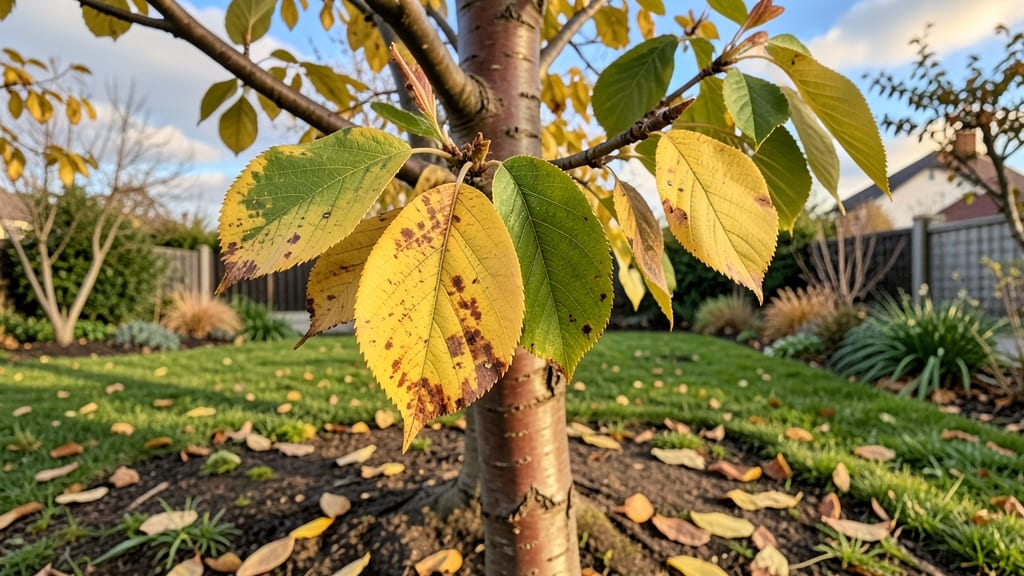
Your cherry tree’s leaves turning yellow and falling off aren’t just a seasonal quirk—they’re a cry for help. 🌳 I’ve seen this happen when homeowners dismiss the first signs, only to watch their tree struggle for years.
The good news? Three hidden causes explain 90% of these problems, and each has a targeted fix before the damage spreads.
Most people assume it’s drought or old age, but the real culprits are often fungal diseases like bacterial canker (black cankers on branches) or leaf spot (tiny brown spots with yellow halos).
Nutrient deficiencies—especially iron or nitrogen—can also mimic fall colors, while spider mites leave behind fine webbing and stippled leaves. The key is checking for these specific symptoms before the tree’s health declines further.
You’ll learn how to prune infected branches correctly, apply organic fungicides at the right time, and test your soil for deficiencies—all without needing a degree in arboriculture. By the end, you’ll spot the early warning signs and act before your tree’s canopy thins permanently.
Some fixes take just a weekend; others require patience but save your tree’s life.
We’ll also cover when to call in a professional (hint: if the trunk shows oozing cankers or the tree is already half-bare) and how to prevent next year’s yellowing from day one. Your tree’s future depends on acting now—not waiting until it’s too late.
Why it happens
When your cherry tree’s leaves start turning yellow and dropping prematurely, it’s often a cry for help from the tree itself. The good news? Most causes are fixable—if you know what’s triggering them.
Below, we break down the three most common culprits, backed by science, so you can diagnose the issue and take action before it’s too late.
🌡️ Environmental Stress: Heat, Water, or Wind Overload
Cherry trees are resilient, but they have limits. Extreme environmental conditions—like scorching heat, inconsistent watering, or relentless wind—can shock the tree into dropping leaves. Here’s how it happens:
- Water stress: Too much water (leading to root rot) or too little (causing drought stress) disrupts the tree’s ability to transport nutrients. Yellowing leaves, often with brown edges, are a classic sign of chlorosis (nutrient deficiency from poor uptake).
- Temperature swings: Late frosts or sudden heat waves can burn leaf tissue, causing yellowing and premature drop. Cherry trees, especially sweet cherries, are sensitive to temperature fluctuations outside their ideal range of 50–85°F (10–29°C).
- Wind damage: Chronic exposure to strong winds desiccates leaves (dries them out) by increasing transpiration rates. Look for leaves curling or wilting before yellowing—this is your tree’s way of conserving water.
Actionable fix: Mulch around the base to regulate soil temperature, water deeply 1–2 times per week (depending on climate), and consider windbreaks (like shrubs or fencing) if your tree is in a exposed area.
🦠 Fungal Infections: The Silent Leaf Killers
Fungi thrive in damp, warm conditions and can turn your cherry tree’s leaves into a buffet. The most common offenders are:
- Leaf spot diseases (e.g., Coccomyces coronata): These fungi create dark, circular spots with yellow halos, leading to defoliation. Spores spread via wind or splashing water, especially during rainy seasons.
- Powdery mildew (Podosphaera oxyacanthae): A white, powdery coating on leaves signals this fungus, which blocks sunlight and weakens photosynthesis. Infected leaves yellow and drop prematurely.
- Root rot (Phytophthora species): Waterlogged soil encourages this soil-borne fungus, which decays roots and starves the tree of nutrients. Yellowing leaves paired with mushy, blackened roots are red flags.
Actionable fix:
- Prune infected branches (sterilize tools with 70% alcohol) and dispose of them in a sealed bag.
- Apply copper fungicide (for leaf spots) or neem oil (for powdery mildew) during early morning or evening to avoid burning leaves.
- Improve drainage by amending soil with compost and avoid overwatering.
🐜 Pest Infestations: The Hidden Leaf Vampires
Pests don’t just munch on leaves—they inject toxins or block nutrient flow, causing yellowing and drop. Watch for these troublemakers:
- Spider mites: These tiny arachnids pierce cells to suck out sap, causing stippling (yellow dots) and webbing on undersides. Severe infestations lead to complete leaf drop.
- Japanese beetles: Adults skeletonize leaves (eat tissue between veins), while larvae devour roots. Both actions stress the tree, triggering yellowing.
- Aphids: These sap-suckers excrete honeydew, a sticky substance that fosters sooty mold (a black fungus). The mold blocks light, causing leaves to yellow and fall.
Actionable fix:
- Blast pests off with a strong spray of water (early morning works best).
- Use insecticidal soap or neem oil for mites and aphids; milky spore for Japanese beetle grubs in the soil.
- Introduce beneficial predators like ladybugs or lacewings to control populations naturally.
💡 Pro Tip: Rule Out Nutrient Deficiencies
While not always the primary cause, nutrient imbalances can exacerbate stress. Yellowing leaves often signal:
- Nitrogen deficiency: Leaves turn pale yellow (starting at the tips) if the tree lacks nitrogen. This is common in alkaline soils (pH > 7.0).
- Iron or magnesium deficiency: Yellowing between veins (interveinal chlorosis) is classic for iron, while yellow patches on older leaves suggest magnesium lack.
Actionable fix: Test your soil (kits are affordable and available at garden centers) and amend with compost or chelated iron if needed. For alkaline soils, add elemental sulfur to lower pH gradually.
Fixing Your Cherry Tree’s Yellowing Leaves
Watching your cherry tree’s leaves turn yellow and drop can feel like a slow-motion disaster, but the good news is that most causes have simple, effective fixes. Below, we’ll break down practical solutions tailored to each root problem—plus prevention tips to keep your tree thriving.
Roll up your sleeves; it’s time to bring your cherry tree back to life! 🌿✨
Signs: Yellowing leaves, soggy soil, wilting despite water, root rot smell. Fix: 🔹 💧 Step 1: Check the Soil Dig a 6-inch hole near the base of the tree. If the soil feels squishy or smells like rot, overwatering is the culprit. Healthy soil should be moist but not soggy.
🔹 🌱 Step 2: Improve Drainage
- Raise the soil level by adding 2–3 inches of compost or coarse sand to the root zone.
- Avoid compacted areas—amend clay soil with organic matter (like peat moss) to help water drain faster.
- Install a French drain if water pools around the base after rain.
🔹 ⏰ Step 3: Adjust Watering Habits
- Water deeply but less often—aim for 1–1.5 inches per week (including rain).
- Water at the base, not overhead, to prevent fungal growth.
- Use a moisture meter to track soil dampness—never let roots sit in water.
💡 Pro Tip: If root rot has set in, prune affected roots (sterilize tools with rubbing alcohol first) and treat with fungicide (like copper-based solutions).
Signs: Pale yellow leaves (especially between veins), slow growth, weak branches. Fix: 🔹 📊 Step 1: Test the Soil Grab a DIY soil test kit (or send a sample to a local extension office) to check pH and nutrient levels. Cherry trees thrive in slightly acidic soil (pH 6.0–7.0).
🔹 🥗 Step 2: Fertilize Correctly
- For nitrogen deficiency (yellowing lower leaves): Apply a balanced fertilizer (like 10-10-10) in early spring and fall.
- For micronutrient deficiencies (yellowing between veins): Use a chelated iron or magnesium supplement (like Epsom salt for magnesium).
- Avoid over-fertilizing—too much salt can burn roots!
🔹 🌡️ Step 3: Boost Organic Matter Spread 2–3 inches of compost or well-rotted manure around the drip line (not touching the trunk) and mulch to retain moisture.
💡 Pro Tip: Foliar sprays (like seaweed extract) can give a quick nutrient boost during deficiency crises.
Signs: Holes in leaves, sticky residue (aphids), curled or chewed edges, tiny webs (spider mites). Fix: 🔹 🔪 Step 1: Identify the Pest
- Aphids/Scale: Tiny, clustered bugs; sticky "honeydew" on leaves.
- Spider Mites: Fine webs on undersides; leaves turn yellow/brown.
- Japanese Beetles: Skeletons of leaves left behind.
🔹 🌿 Step 2: Manual Removal (For Light Infestations)
- Blast pests off with a strong hose spray (early morning works best).
- Handpick large beetles and drop them in soapy water.
- Prune and dispose of heavily infested branches (burn or bag them).
🔹 💦 Step 3: Natural & Chemical Controls
- Neem oil spray (mix 1 tbsp neem oil + 1 tsp mild soap + 1 quart water)—reapply every 5–7 days.
- Insecticidal soap (for aphids/mites)—spray undersides of leaves.
- Beneficial insects: Release ladybugs or lacewings to eat pests naturally.
- For severe cases: Use systemic insecticides (like imidacloprid) as a last resort—follow label instructions carefully.
💡 Pro Tip: Prevent future infestations by mulching heavily (pests hate dry soil) and removing fallen leaves where bugs hide.
Signs: Sudden yellowing after heatwaves, drought, or extreme cold; leaves crispy at edges. Fix: 🔹 ☀️ Step 1: Protect from Heat/Drought
- Water deeply during dry spells (let soil dry 2 inches deep between waterings).
- Mulch with 3–4 inches of wood chips to retain moisture and regulate temperature.
- Provide afternoon shade with a lightweight shade cloth if your tree is young or sensitive.
🔹 ❄️ Step 2: Winterize for Cold Snaps
- Wrap the trunk with burlap or tree guard to prevent sunscald.
- Avoid late-season fertilizing—it encourages new growth that can’t survive frost.
- Water before the first freeze to help roots withstand cold.
🔹 🌧️ Step 3: Adjust for Wind or Salt Exposure
- Plant windbreaks (like shrubs or fences) if your tree is in a drafty spot.
- Flush soil with water 2–3 times a year if your tree is near a road (salt buildup causes stress).
💡 Pro Tip: Mature cherry trees are hardier—focus on young trees or newly planted ones for extra TLC.
✅ Soil: Test every 2–3 years; amend with compost if needed. ✅ Watering: Deep and infrequent—never let soil stay soggy. ✅ Pests: Inspect leaves weekly in spring/summer; act fast at the first sign. ✅ Fertilizer: Spring and fall only—avoid summer feeding. ✅ Pruning: Remove dead/diseased branches in late winter to improve airflow. ✅ Mulching: Replenish mulch annually to protect roots.
Final Thought: Most yellowing leaves are a fixable problem—not a death sentence. Start with soil tests, proper watering, and pest checks, and your cherry tree will bounce back faster than you think. 🌱💚 Which issue does your tree have? Drop a comment below—we’re happy to help troubleshoot!
Frequently asked questions
Why are my cherry tree leaves turning yellow in spots instead of all at once?
Spotty yellowing often signals fungal diseases like leaf spot or powdery mildew. Look for dark spots with yellow halos or white powdery coatings. These fungi thrive in damp conditions and spread through spores. Prune infected branches immediately and apply copper fungicide to prevent spread.
Can I still harvest cherries if the leaves are yellow and falling?
It depends on the cause. If yellowing is from nutrient deficiencies or environmental stress, fruit quality may suffer but harvest is still possible. However, if fungal diseases (like bacterial canker) or severe pest infestations are present, the tree may divert energy away from fruit production. Always inspect branches for cankers or pests before harvesting.
How do I tell if my cherry tree has root rot or just needs more water?
Root rot causes mushy, blackened roots with a foul smell, while thirsty trees have dry soil 2+ inches deep. Dig near the base: healthy roots are firm and light brown. For root rot, improve drainage immediately—add compost and avoid overwatering. For drought stress, water deeply 1-2 times per week until soil is consistently moist.
Will pruning help my cherry tree's yellow leaves?
Yes, but only if you remove the right branches. Prune only diseased, dead, or heavily infested branches (sterilize tools with rubbing alcohol first). Avoid heavy pruning during active growth—focus on late winter/early spring when the tree is dormant. Never remove more than 25% of the canopy at once.
How long does it take to see improvement after treating my cherry tree?
Timelines vary by cause: nutrient deficiencies show improvement in 4-6 weeks with proper amendments, while fungal diseases may take 2-3 months for full recovery. Pest control often shows results within 1-2 weeks of treatment. Monitor progress and adjust care as needed—patience is key for stressed trees!