
How To
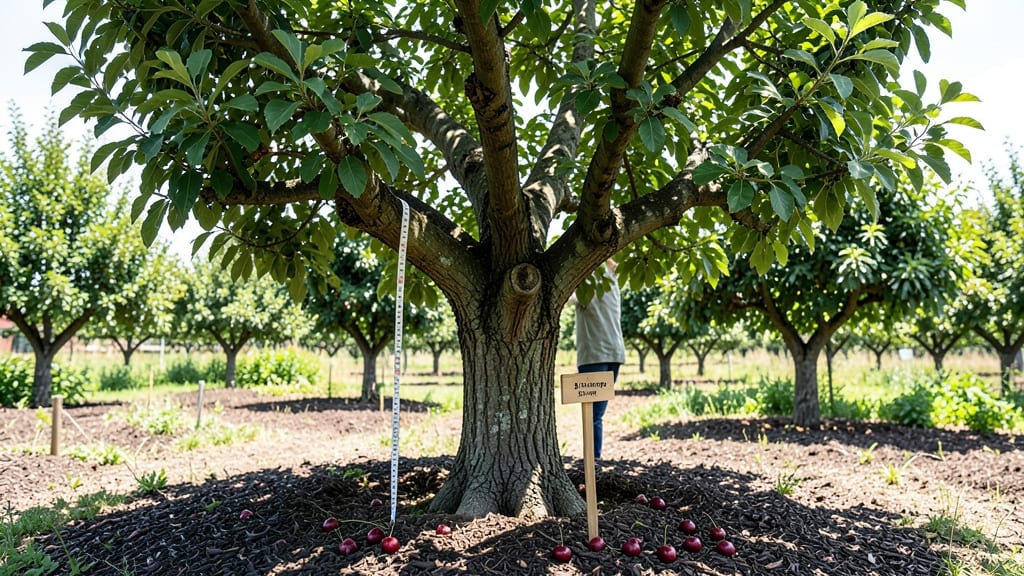
A Bing cherry tree grows to a mature height of how tall does a bing cherry tree grow—15–25 feet—taller than most backyard fences—if you plant a standard variety.
But if you’re dreaming of fresh, sweet cherries without sacrificing your patio space, there’s good news: dwarf and semi-dwarf options keep these trees under 12 feet.
Picture this: a 🍒 Bing cherry tree loaded with fruit, just steps from your kitchen door. The catch? Most gardeners assume these trees need acres to thrive, which is why so many skip planting them entirely.
Yet, with the right variety and a little pruning know-how, you can grow Bing cherries in a space as small as a large planter or a narrow side yard.
Below, I’ll break down the height ranges for standard, semi-dwarf, and dwarf Bing cherry trees, plus the spacing you’ll need to avoid crowding. You’ll also discover which compact varieties produce the most fruit—and how to keep them from outgrowing their welcome.
Whether you’re planning a 6a-zone orchard or a single tree for your balcony, this guide ensures you’ll have space and sweetness come harvest season.


Standard Bing cherry tree height: what to expect from full-sized varieties
If you're dreaming of a Bing cherry tree in your backyard, understanding its mature size is key to planning your garden layout. The classic Bing cherry tree typically reaches 15 to 25 feet tall at maturity, with a spread of 15 to 20 feet wide.
This makes it a large tree that requires thoughtful placement and regular maintenance to keep it manageable.
For comparison, a standard Bing cherry tree can grow taller than a two-story house, which means it needs ample space to avoid overcrowding nearby plants or structures.
If your yard is smaller than 20 feet in diameter, you may need to consider dwarf varieties or pruning techniques to control its size.
Here’s a quick breakdown of what to expect from a full-sized Bing cherry tree over time:
The growth rate of a Bing cherry tree depends on soil quality, sunlight exposure, and water availability. In ideal conditions, it can grow 2 to 3 feet per year during its first few years, but this slows as it matures.
Proper pruning and training can help manage its height and encourage a more compact, harvest-friendly shape.
When planning your garden, consider the tree’s mature height and how it will interact with your landscape. A 20-foot-tall tree needs at least 15 feet of clearance from buildings, power lines, and other structures to avoid future problems.
If your space is limited, opt for a dwarf variety or plan to prune aggressively each year.
Another critical factor is spacing requirements. Planting two Bing cherry trees too close together can lead to competition for nutrients and sunlight, reducing fruit quality and yield. Experts recommend spacing them 20 to 25 feet apart for optimal growth and harvestability.
If you’re planting near other fruit trees, ensure they have enough room to thrive without shading each other excessively.
Regular pruning is essential to maintain a Bing cherry tree’s health and manage its size. Prune during the dormant season (late winter) to remove dead or diseased branches and shape the tree for better airflow and sunlight penetration.
This not only keeps the tree at a manageable height but also improves fruit production and reduces the risk of pests and diseases.
The canopy structure of a mature Bing cherry tree is dense and rounded, which makes harvesting cherries a bit challenging if the tree is too tall. Using a sturdy ladder or harvesting tool can help, but smaller varieties or strategic pruning can make picking much easier.
If you’re planning to sell or share your harvest, a manageable height ensures you can reach all the fruit without strain.
For those with limited space, understanding the growth habits of a Bing cherry tree is crucial. While full-sized varieties may not fit every backyard, there are dwarf and semi-dwarf options that can thrive in smaller areas.
These varieties retain the sweet, juicy flavor of Bing cherries while staying under 10 feet tall, making them perfect for containers or tight spaces.
In summary, a standard Bing cherry tree is a beautiful but space-demanding addition to any garden. With careful planning, pruning, and spacing, you can enjoy a bountiful harvest while keeping your landscape looking its best.
If you’re unsure about fitting a full-sized tree into your yard, consider exploring dwarf varieties or container-growing options for a more compact solution.
Best dwarf Bing cherry tree varieties under 10 feet (with growth charts)
If you dream of homegrown Bing cherries but have limited space, dwarf varieties are your best bet. These compact trees stay under 10 feet tall while still producing the same delicious fruit.
The key is choosing the right cultivar—some stay as short as 6 feet, while others reach 9-10 feet at maturity. Let’s compare the top space-saving options and their growth habits.
Standard Bing cherry trees typically grow 15-25 feet tall, making them impractical for small yards. However, modern breeding has created dwarf varieties that maintain the same flavor profile while fitting neatly into tight spaces.
These trees require less pruning, smaller root zones, and earlier fruiting—perfect for containers or urban gardens. Below, we’ll break down the best options with their mature heights and care needs.
| Variety | Mature Height | Fruit Production | Growth Rate | Best For |
|---|---|---|---|---|
| 'Stella' | 8-10 ft | High yield, 1 lb per tree | Moderate (3-5 ft/year) | Containers, small yards |
| 'Compact Stella' | 6-8 ft | Moderate yield, 0.5 lb per tree | Slow (2-3 ft/year) | Urban gardens, patios |
| 'Bing Dwarf' | 9-10 ft | High yield, 1.5 lb per tree | Fast (4-6 ft/year) | Backyards, large containers |
The 'Stella' variety is a fan favorite for its balance of size and productivity. It typically reaches 8-10 feet tall and starts bearing fruit in just 2-3 years.
This makes it ideal for gardeners who want quick rewards without sacrificing space. Just ensure it gets full sun (6+ hours daily) and well-draining soil to thrive.
For even smaller spaces, 'Compact Stella' is the ultimate space-saver, maxing out at 6-8 feet. It’s perfect for containers or small patios but produces slightly fewer cherries. Prune lightly in late winter to maintain its compact shape and encourage air circulation, which reduces disease risk.
If you’re willing to invest in a slightly taller tree for bigger harvests, 'Bing Dwarf' is a powerhouse. It grows 9-10 feet tall but yields up to 1.5 pounds of cherries per tree.
This variety thrives in USDA zones 5-8 and benefits from a pollinator nearby (like another Bing cultivar) for optimal fruit set.
All three varieties require regular watering during their first year and balanced fertilizer (10-10-10) in early spring. Mulch around the base to retain moisture and suppress weeds, which is especially critical in container growing.
With the right care, these dwarf Bing cherries will reward you with years of sweet, homegrown fruit—without the space demands of their full-sized counterparts.
🌱 Ready to plant? Start with 'Stella' for a foolproof choice, or go for 'Bing Dwarf' if you want the biggest harvest in a small footprint. Just remember: sun, soil, and patience are your best tools for success!