
Pruning
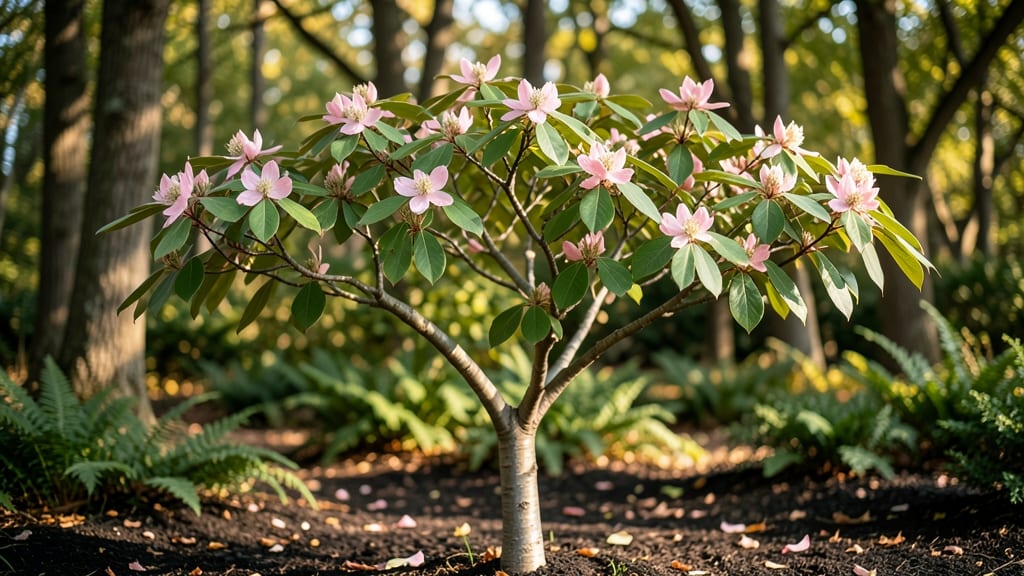
The pink dogwood tree height can reach 20 to 30 feet tall if left unpruned, but with the right techniques, you can keep them compact and manageable—even in small yards.
I’ve pruned mine for years, and the secret isn’t just cutting branches but understanding when and how to shape them for healthy growth without sacrificing those stunning spring blooms. The difference between a towering shade tree and a well-proportioned garden focal point often comes down to timing and technique.
Most gardeners underestimate how much dogwoods respond to pruning in their early years. If you start shaping them when they’re young—say, 3 to 5 feet tall—you’ll avoid the heavy work of trimming mature branches later.
The key is to prune right after flowering (late spring) to encourage new growth while preserving next year’s blooms. And yes, even a 10-foot tree can be reshaped with patience—it just takes a little more elbow grease.
What you’ll end up with is a tree that fits your space without losing its natural beauty. My pruned dogwoods still produce abundant pink blooms every spring, and their layered branches create that classic dogwood silhouette—just at a height that works for my backyard.
The best part? You’ll save yourself from dealing with a tree that outgrows its spot, blocking sunlight or crowding other plants.
Whether you’re working with a sapling or a mature tree, the same principles apply. Small gardens can handle 6-to-10-foot dogwoods with careful pruning, while larger yards might opt for the full 20-foot height.
The goal isn’t just to control height but to keep the tree healthy, balanced, and full of life—so it stays a standout feature for decades.
📚 In This Guide
- What you need
- Instructions
- Tips and common mistakes
- Wrapping up and next steps
What you need
- ● Pruning shears: Bypass shears (for small branches, 2–4 inches thick)
- ● Loppers: 1 pair (for medium branches, 4–8 inches thick)
- ● Pruning saw: 1 (for thick branches, 8+ inches thick)
- ● Gloves: Heavy-duty, cut-resistant (1 pair)
- ● Disinfectant: 70% isopropyl alcohol or pruning sealant (small bottle)
- ○ Extension pole: Optional but helpful (for high branches, 6–10 ft)
- ● 5-gallon bucket: 1 (for collecting debris)
- ● Sharpie or masking tape: 1 (for marking branches to remove)
- ● Pruning paint: 1 small bottle (to seal large cuts)
- ● Safety glasses: 1 pair (for eye protection)
- ● Step ladder: Sturdy, non-slip (if tree is tall)
- ● Tree growth regulator: (e.g., paclobutrazol, if targeting extra compact growth)
- ● Camera or phone: 1 (to document progress!)
Pruning pink dogwood trees for controlled height growth
Here’s how to keep your pink dogwood tree lush and manageable without sacrificing its stunning blooms.
Understand the Best Time to Prune
Prune your pink dogwood tree immediately after flowering, typically in late spring or early summer. This timing ensures you don’t cut off next year’s flower buds, which form on old wood. Avoid pruning in fall or winter, as cold stress can weaken the tree and invite disease.
Look for the first signs of new growth after flowering—this is your cue. The tree will have already set its flower buds for next season, so you’re safe to trim. If you miss this window, wait until late summer to avoid disturbing the buds.
Gather the Right Tools and Safety Gear
Use sharp, clean pruning shears for cuts smaller than ½ inch in diameter, and a pruning saw for thicker branches. Sterilize your tools with rubbing alcohol to prevent spreading disease. Wear gloves to protect your hands from thorns and sap.
Have a bucket or bag ready to collect debris—this keeps your workspace tidy and makes cleanup easier. A ladder may be necessary if your tree is taller than 6 feet. Always check the weather forecast; pruning on a calm, dry day prevents stress to the tree.
Remove Dead, Diseased, or Crossing Branches First
Start by identifying and cutting out any dead, diseased, or damaged branches. These are easy to spot—they’re brown, brittle, or oozing sap. Remove crossing branches that rub against each other, as this creates wounds that invite pests and rot.
Cut branches back to the collateral bud, which grows outward from the stem. This encourages a fuller, more compact shape. If you’re unsure where the bud is, angle your cut slightly above it to avoid damaging the growth point.
Thin the Canopy for Better Airflow and Light
Select branches to remove based on their position in the tree. Aim to create an open center by thinning out 20-30% of the canopy. This improves airflow and sunlight penetration, which reduces disease risk and encourages healthier growth.
Focus on branches that grow inward or downward, as these can create a dense, cluttered look. Cut these back to a strong outward-facing branch or bud. Avoid over-thinning—too much removal weakens the tree and reduces flowering potential.
Shape the Tree for Compact Growth
To control height, prioritize removing branches from the lower third of the tree. This shifts energy upward and encourages a more balanced, bushier shape. Avoid cutting the main trunk or large limbs, as this can stunt growth or harm the tree’s structure.
Step back frequently to assess the tree’s shape. Your goal is a natural, open form with room for airflow. If you’re unsure about a cut, wait and observe the tree’s growth pattern before deciding. Over-pruning leads to weak regrowth and fewer flowers.
Tips & tricks for pruning pink dogwood trees for compact growth
Here's what I've learned after years of pruning dogwoods—and how to avoid the mistakes I made early on.
Timing is Everything: The late spring/early summer window after flowering is non-negotiable for pink dogwoods. I once pruned in early fall and noticed significantly fewer blooms the following spring. The buds form on old wood, so any pruning after flowering risks cutting them off. If you miss the window, late summer is your next best option, but avoid fall and winter entirely.
Visual Cues for Pruning: When you're ready to prune, look for these key visual signals: the first signs of new growth after flowering (usually fresh green leaves) and the presence of flower buds that have already formed. These buds appear as small, rounded swellings along the branches. Cutting anywhere above these buds is safe—cutting below them means fewer flowers next year.
Tool Maintenance Matters: Sterilizing your pruning tools between cuts prevents spreading disease from one branch to another. I keep rubbing alcohol in a small spray bottle near my workspace and wipe down tools after every cut. Sharp tools also make cleaner cuts that heal faster, so take a minute to sharpen your shears before you start. A dull blade can tear bark, creating larger wounds that invite infection.
Canopy Thinning Strategy: When thinning the canopy, focus on creating an open center by removing branches that grow inward or downward. These branches compete for sunlight and create a dense, cluttered look. Aim to remove about 20-30% of the canopy total—this improves airflow and sunlight penetration without weakening the tree. I like to step back every few cuts to assess the tree's shape from a distance.
Pro Tips for Pink Dogwood Tree Height
- Here's what I've learned after years of pruning dogwoods—and how to avoid the mistakes I made early on.
- Timing is Everything: The late spring/early summer window after flowering is non-negotiable for pink dogwoods.
- Visual Cues for Pruning: When you're ready to prune, look for these key visual signals: the first signs of new growth after flowering (usually fresh green leaves) and the presence of flower buds that have already formed.
Frequently asked questions
Got questions about managing your pink dogwood tree’s height? You’re not alone! Here are some of the most common concerns—plus quick, actionable answers to keep your tree thriving while controlling its size.
How tall does a pink dogwood tree typically grow?
A mature pink dogwood (Cornus florida) usually reaches 15–25 feet tall, though some varieties stay shorter (10–15 ft). Dwarf cultivars like ‘Cherokee Brave’ max out at 6–8 feet—ideal for small yards! Pruning early can also stunt growth naturally.
When is the best time to prune for height control?
Prune right after flowering (late spring) or in early summer to avoid cutting off next year’s blooms. Avoid heavy pruning in fall/winter—it stresses the tree. For compact growth, trim 10–20% of new growth annually, focusing on inward branches first.
Will pruning too much stunt my pink dogwood permanently?
No—dogwoods are resilient! However, never remove more than 25% of the canopy in one year, or you risk weak growth or disease. For drastic height reduction, spread pruning over 2–3 years. Always use sterilized tools to prevent bacterial infections.
Are there alternatives to pruning for smaller trees?
Yes! If you prefer minimal pruning, choose a dwarf variety (e.g., ‘Rubra’ or ‘Stella Compact’) or plant in a container (with deep roots). For existing trees, root pruning (trenching roots) can limit upward growth—best done in early spring.
Why is my dogwood’s new growth dying after pruning?
Common causes include:
- Over-pruning: Too many cuts stress the tree (stick to <1/3 of branches).
- Poor timing: Pruning in late summer/fall invites disease.
- Pests/disease: Check for powdery mildew or borers. Treat with fungicide or insecticidal soap if needed.
- Underwatering: Dogwoods need 1–2 inches of water weekly; mulch helps retain moisture.
Wrapping up and next steps
Now that you know how to manage pink dogwood tree height with confidence, your garden is one step closer to looking like a well-cared-for masterpiece! 🌸 Pruning isn’t just about control—it’s about nurturing a tree that thrives while adding beauty to your outdoor space. Ready to take action?
Start by scheduling your next pruning session—whether it’s trimming back leggy branches or shaping for a fuller look. Grab your tools, put on your gardening gloves, and enjoy the process! Your pink dogwood will thank you with vibrant blooms and lush foliage for years to come.