
Planting
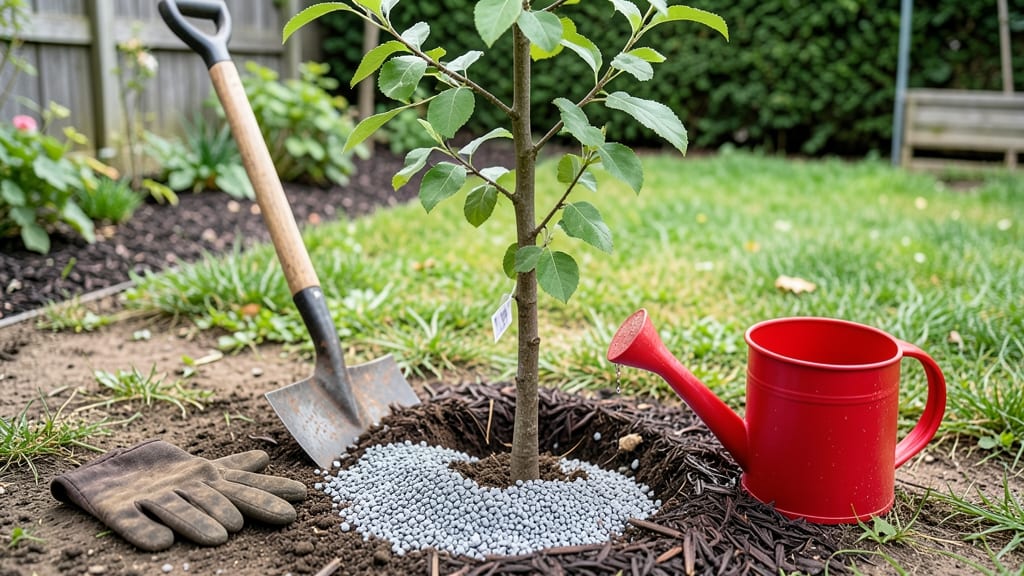
You can plant a tree with ashes in well-draining soil 6–12 inches away from the trunk, mixing them into the surrounding area to boost fertility—avoid direct root contact to prevent nutrient imbalance or root burn.
Wood ashes act as a natural soil amendment by raising pH levels and supplying essential minerals like potassium and magnesium, which many trees crave. 🌱 However, the key lies in placement—spreading them around the root zone (not touching the trunk) ensures the tree absorbs benefits without harm.
This method works best for acid-loving plants like birch or blueberries, but always test your soil first to avoid over-alkalizing it.
For best results, apply ashes in early spring or fall when soil is moist, and pair them with organic matter like compost. Trees like hawthorn or black locust thrive in slightly alkaline conditions, making them ideal candidates for ash-amended soil.
Just remember: a little goes a long way—too much can disrupt the soil’s natural balance.
💡 In This Article
- How Wood Ashes Enhance Tree Growth and Soil Health
- Best Tree Species for Ash-Amended Soil and Planting Tips
How wood ashes enhance tree growth and soil health
Wood ashes primarily work their magic by adjusting soil pH and delivering essential minerals. When mixed into soil, they raise alkalinity (increasing pH levels) through their high calcium carbonate content, which neutralizes acidic conditions.
This is especially beneficial for trees struggling in overly acidic soils, like birch or hawthorn, which prefer pH levels between 6.0-7.5. The ashes also supply critical nutrients: about 10-15% potassium and 5-10% calcium by weight, which trees convert into energy for growth and disease resistance. 🌿
The chemical reaction happens quickly—when ashes dissolve in moist soil, calcium and potassium ions become immediately available to plant roots. However, this process requires proper moisture: dry ashes won't activate their benefits.
A 1-inch layer of wood ash (about 20-30 pounds per 100 square feet) can raise soil pH by 1-2 points over time, but overapplication risks creating a toxic environment where essential nutrients like nitrogen and phosphorus become locked out.
The ideal ratio is 1 part ash to 10 parts soil.
Soil microbes play a crucial role in this transformation. Beneficial bacteria and fungi break down the ash's mineral components into forms trees can absorb, while earthworms help distribute nutrients deeper into the root zone.
The key is placement: spreading ashes 6-12 inches away from the trunk prevents root burn while allowing microbes to work their magic in the surrounding soil. This creates a "fertility halo" that gradually improves soil structure and water retention over months. 🌱
One common misconception is that all ashes are equal, but hardwood ashes (from oak or maple) contain more calcium and potassium than softwood ashes (from pine or spruce). For example, oak ashes have 20% potassium compared to pine ashes' 10%.
Always use untreated, wood-only ashes—coal or chemically treated wood can introduce harmful substances. The best time to apply is during spring or fall when soil temperatures are moderate and rainfall helps activate the nutrients.
Here's what happens when you get the placement wrong: Direct contact with tree roots can cause nutrient imbalance or even root burn due to the high alkalinity. I've seen cases where gardeners piled ashes against tree trunks, only to watch new growth yellow and wilt as roots struggled to adapt.
The solution? Mix ashes into the top 2-3 inches of soil in a 12-inch radius around the drip line, then water thoroughly to help minerals disperse evenly. 💧
For visual learners, imagine the ash application as a donut shape around your tree: the hole in the middle is the trunk area (keep it ash-free), while the outer ring gets the nutrient boost.
This method mimics how forest floors naturally accumulate nutrients from fallen leaves and wood—just concentrated and targeted. Over time, you'll notice stronger root development and more vibrant foliage as the tree taps into this improved soil ecosystem.