
Planting
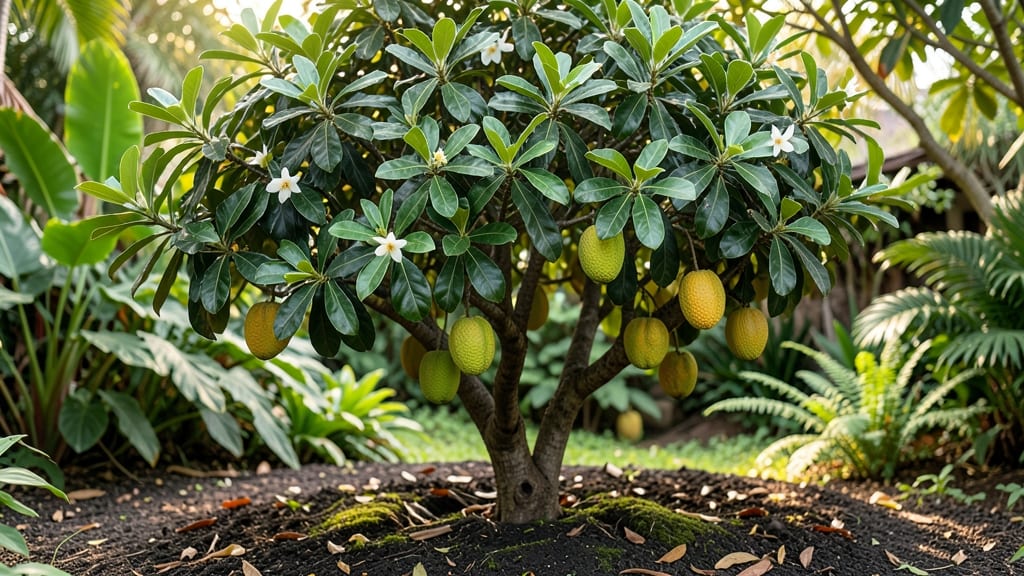
Growing sugar apple trees thrives best in USDA zones 8-11, where warm winters and long summers create their perfect tropical paradise. 🌴 The moment I planted mine in Florida, I knew the sweet, creamy fruit would be worth the wait—if I kept it alive through those first critical months.
These trees demand heat, with frost being their ultimate enemy. Even a light freeze can damage leaves, so gardeners in zones 7 or cooler should grow them in containers and bring them indoors during winter. The soil needs to drain well but stay consistently moist, mimicking their native rainforest home.
You’ll recognize success when the tree’s glossy green leaves fill the air with a faint citrusy scent, and those distinctive cone-shaped fruits begin to form. With proper care, a mature tree produces 50-100 pounds of fruit per season—enough to share with neighbors or freeze for later.
For cooler climates, consider dwarf varieties or growing them under protective structures. The reward? Homegrown fruit that tastes nothing like store-bought—and the bragging rights of growing a true tropical gem.
📚 In This Guide
- What you need
- Instructions
- Tips and common mistakes
- Wrapping up and next steps
What you need
- ● Sugar apple seeds or saplings: 1-3 (purchased from a nursery or online seed supplier). Choose healthy, disease-free plants.
- ● Well-draining potting mix: 5-10 gallons (look for a blend with perlite or coconut coir for aeration).
- ● Pot or container: 1-2 (15-20 inches in diameter with drainage holes if starting indoors). For direct planting, a hole 3x wider and deeper than the root ball.
- ● Compost or organic fertilizer: 1-2 cups (balanced, 10-10-10 or citrus-specific fertilizer).
- ● Mulch: 2-3 inches (straw, wood chips, or pine bark to retain moisture and regulate soil temperature).
- ● Trowel or small shovel: 1 (for transplanting or digging).
- ● Garden gloves: 1 pair (to protect your hands from thorns and soil).
- ● Watering can or hose with a gentle spray nozzle: 1 (for consistent moisture without damaging tender leaves).
- ● Pruning shears: 1 (for shaping and maintaining the tree as it grows).
- ○ pH testing kit (optional but helpful): 1 (ideal soil pH: 6.0-7.0).
- ● Sunlight: A location with full sun (6-8 hours daily) or partial shade in extremely hot zones.
- ● Temperature: Sugar apple trees thrive in 70-90°F (21-32°C). Avoid frost-prone areas!
- ● Water access: Regular watering (especially in the first year) but avoid waterlogged soil.
- ● Patience: Trees may take 2-5 years to bear fruit, but the wait is worth it! 🍈
Step-by-Step guide to planting sugar apple trees in zones 8-11
Here's how to give your sugar apple tree the perfect start in warm climates.
🌱 Step 1: Choose the Right Planting Site
Sugar apple trees thrive in full sun with at least 6-8 hours of direct sunlight daily. Look for a spot that gets morning sun and afternoon shade if your zone 11 summers are brutally hot—this prevents leaf scorch. The tree needs well-draining soil, so avoid low-lying areas where water pools after rain.
I always dig a hole twice as wide as the root ball but only as deep. This encourages roots to spread outward rather than settling too low, which can rot in heavy clay soils common in zones 9-11. Loosen the sides of the hole with a shovel to help roots penetrate easily. If your soil is sandy, mix in some compost to improve moisture retention.
☀️ Step 2: Plant During the Optimal Season
Plant your sugar apple tree in late winter or early spring, just as new growth begins. This gives roots 6-8 weeks to establish before summer heat arrives. In zones 10-11, you can also plant in fall, but do it at least 8-10 weeks before first frost—though frost is rare, cooler temps help roots settle.
Remove the tree from its container and gently tease apart any circling roots with your fingers. Place it in the hole so the top of the root ball sits 1-2 inches above ground level. Sugar apple trees hate wet roots, so mounding slightly prevents waterlogging. Backfill with native soil, tapping lightly to remove air pockets but not compacting too firmly.
💧 Step 3: Water Deeply and Mulch Properly
Water the tree immediately after planting with 5 gallons of water to settle the soil around roots. Then, water 2-3 times weekly for the first 4-6 weeks until the soil feels damp 6 inches down. After that, water once weekly unless your area experiences a heatwave—then increase to every 2-3 days.
Apply 3-4 inches of organic mulch (like wood chips or straw) around the base, keeping it 6 inches away from the trunk. This conserves moisture and regulates soil temperature. Real talk: I’ve seen sugar apple trees in zone 10 struggle when mulch was piled against the trunk—it traps too much moisture and invites rot.
✂️ Step 4: Prune for Shape and Health
Prune your sugar apple tree in late winter or early spring before new growth starts. Remove any dead, diseased, or crossing branches first—these compete for energy and can harbor pests. Then, shape the tree by cutting back 10-20% of the canopy to improve airflow and sunlight penetration.
Watch for water sprouts (shoots growing straight up from the trunk or branches) and remove them immediately. These saplings drain energy from fruit production. Use clean, sharp pruners to make cuts just outside the branch collar—the bump where the branch meets the trunk. Sterilize your tools with rubbing alcohol between cuts to prevent spreading disease.
🌿 Step 5: Monitor for Pests and Diseases
Sugar apple trees in zones 8-11 are susceptible to anthracnose fungus and scale insects. Inspect leaves weekly for dark spots or sticky residue (honeydew)—signs of infestation. If you spot scale, spray the tree with a mix of 1 tablespoon neem oil per gallon of water and 1 teaspoon mild dish soap. Reapply every 7-10 days until the pests disappear.
Here’s the thing—sugar apple trees are heavy feeders. Fertilize in early spring with a balanced 10-10-10 fertilizer (about ½ cup per year of tree age). Avoid high-nitrogen fertilizers—they promote leafy growth at the expense of fruit. Always water the tree 24 hours before and after fertilizing to prevent root burn.
Tips & tricks for perfect sugar apple tree planting
These game-changing insights will help your sugar apple tree thrive in zones 8-11 like a pro!
Soil Preparation Secret: Before planting, test your soil's drainage by digging a 12-inch hole and filling it with water. If it drains within 2 hours, you're good to go. If not, mix in 25% sand or perlite to improve drainage—this is especially critical in zones 9-11 where heavy clay soils are common. The wider hole we mentioned in Step 1 gives roots room to escape waterlogged conditions.
Seasonal Timing Hack: For zone 10-11 gardeners, don't wait until spring! Plant in fall (8-10 weeks before frost) when temperatures are cooler—this gives roots a head start before summer heat arrives. I've seen trees planted in October in zone 11 establish roots faster than spring plantings because the cooler temps reduce stress. Just make sure to water deeply after planting to help roots settle.
Watering Wisdom: Those first 4-6 weeks are critical! Use a moisture meter to check soil dampness—aim for 6 inches down as specified. In zone 11 heatwaves, I increase watering to every 2-3 days and water in the early morning to reduce evaporation. A simple trick: place a plastic bottle with holes poked in the bottom near the tree to create a slow-release watering system that mimics natural rainfall.
Pruning Pro Tip: When shaping your tree in Step 4, focus on creating an open center rather than just reducing canopy size. This improves airflow and sunlight penetration to the inner branches, which is crucial for fruit production. I mark my cuts with a piece of chalk before making them—this helps visualize the final shape and prevents over-pruning. Remember, you're aiming for 10-20% reduction, not drastic changes.
Pro Tips for Sugar Apple Tree Growing Zone
- These game-changing insights will help your sugar apple tree thrive in zones 8-11 like a pro!
- Soil Preparation Secret: Before planting, test your soil's drainage by digging a 12-inch hole and filling it with water.
- Seasonal Timing Hack: For zone 10-11 gardeners, don't wait until spring!
Frequently asked questions
Got questions about growing sugar apple trees? You're not alone! Here are some of the most common queries—plus straightforward answers to help you thrive in USDA Zones 8-11.
What’s the best time to plant a sugar apple tree?
Plant your sugar apple tree in early spring (after the last frost) or late summer (before fall rains). This gives roots time to establish before extreme heat or cold. For container-grown trees, avoid planting during peak summer—opt for cooler mornings or overcast days to reduce transplant shock. Pro tip: If you’re in Zone 10-11, fall planting can work too, but mulch heavily to protect roots from summer heat.
Can sugar apple trees survive in Zone 7 or cooler?
Sugar apple trees (Annona squamosa) are tropical/subtropical and struggle in Zones 7 and below. Young trees may survive brief cold snaps (down to 28°F/-2°C), but prolonged freezing or frost will damage leaves and fruit. For cooler climates, grow them in containers and move indoors during winter, or plant near a south-facing wall for extra warmth. Pro tip: Use frost cloth if temps dip below 32°F (0°C).
How long does it take for a sugar apple tree to bear fruit?
Patience is key! Sugar apple trees typically take 3–5 years to bear fruit from seed, but grafted trees may produce fruit in 1–2 years. For faster results, choose a grafted nursery tree (like ‘Sugar Apple’ or ‘Atemoya’ hybrids). Ensure your tree gets full sun (6+ hours/day) and well-draining soil to encourage flowering. Pro tip: Hand-pollinate flowers with a small brush if bees are scarce in your area.
What pests or diseases should I watch for?
Common issues include:
- Scale insects (sticky sap on leaves) – Treat with horticultural oil.
- Anthracnose fungus (brown spots) – Prune infected leaves and improve airflow.
- Root rot (yellowing leaves) – Avoid overwatering; ensure pots/containers have drainage holes.
Pro tip: Inspect leaves weekly during growing season. Neem oil is a safe, organic solution for most pests.
Can I grow a sugar apple tree in a pot?
Sugar apple trees thrive in 15–20 gallon containers with a mix of potting soil, perlite, and compost. Choose a pot with drainage holes and repot every 2–3 years as the tree grows. Place in a sunny spot (like a patio or balcony) and water when the top 1–2 inches of soil are dry. Pro tip: Fertilize monthly in spring/summer with a balanced citrus/fruit tree fertilizer.
Wrapping up and next steps
Growing a sugar apple tree in USDA Zones 8-11 is a rewarding journey for any gardener in warm climates! With the right soil, sunlight, and care, you’ll soon enjoy fragrant blossoms and delicious tropical fruit.
Whether you’re a beginner or a seasoned plant enthusiast, your patience will pay off—imagine plucking ripe, sweet fruit straight from your backyard! 🌱✨
Ready to take the next step? Start by selecting your sapling or seeds, then mark your calendar for the ideal planting season in your zone. Happy growing—your future harvest awaits! 🌴🍈