
Pruning
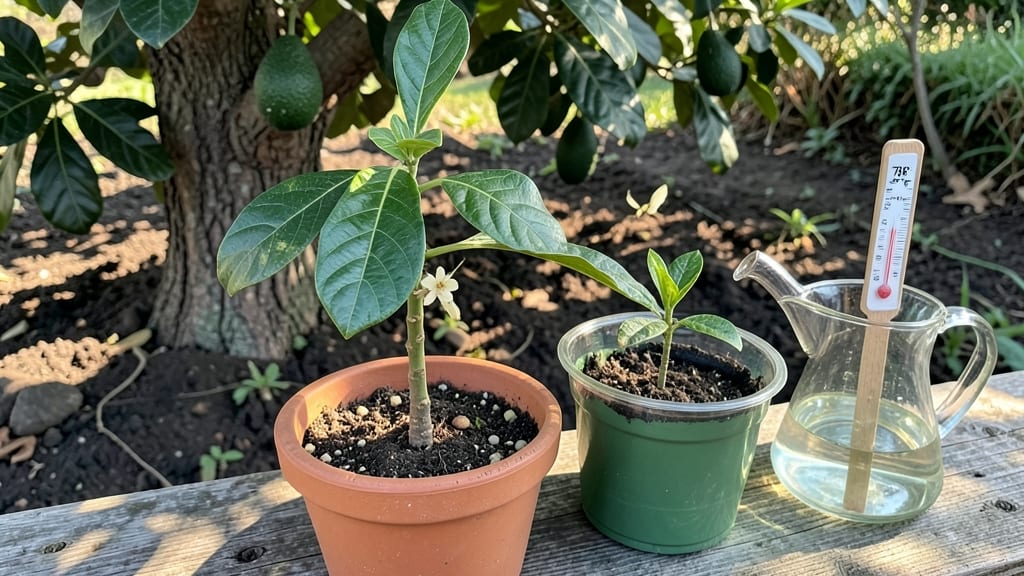
Getting your avocado tree to bear fruit isn’t just luck—it’s about light, patience, and the right care. 🌱 I’ve watched my indoor tree go from a sad sapling to a fruit-bearing powerhouse, and the secret lies in mimicking its tropical roots while troubleshooting common roadblocks like slow growth or stubborn non-flowering.
The biggest mistake? Treating it like a houseplant. Avocados need bright, indirect light (12+ hours daily), well-draining soil, and consistent moisture—but not soggy roots. Prune strategically to encourage airflow, and watch for the telltale A-shaped flower clusters that signal fruit’s coming.
By year two, with proper care, you’ll see those first green fruits. The real magic happens when you combine hand-pollination (yes, you’ll need to borrow a paintbrush) with the right seasonal adjustments—especially if you’re growing indoors. Works for both patio trees and kitchen counter saplings.
Here’s how to coax those fruits into existence—without waiting a decade.
📚 In This Guide
- What you need
- Instructions
- Tips and common mistakes
- Wrapping up and next steps
What you need
- ● Avocado tree (seedling, grafted sapling, or mature tree—choose a variety suited to your climate, like Hass or Fuerte)
- ● Well-draining potting mix (for containers) or amended garden soil (for in-ground planting): 50% potting soil
- ● 30% perlite or coarse sand (for aeration)
- ● 20% compost or worm castings (for nutrients)
- ● Pruning shears (sterilized, sharp, and bypass-style for clean cuts)
- ● Grafting tools (if propagating from seed): Grafting knife or razor blade
- ● Grafting tape or rubber bands
- ● Grafting wax or sealing compound
- ● Balanced fertilizer (10-10-10 or 6-6-6 NPK ratio, organic options like fish emulsion or compost tea work too)
- ● Slow-release fertilizer pellets (for container-grown trees, ~1 cup per year)
- ● Mulch (wood chips, straw, or coconut coir to retain moisture and regulate soil temp)
- ● Watering can or drip irrigation system (avocados hate soggy roots!)
- ● pH test kit (ideal soil pH: 6.0–7.0)
- ● Support stakes or trellis (for young trees to prevent toppling)
- ● Root stimulator (like Mycorrhizal fungi or seaweed extract for transplant shock)
- ● Humidity dome or plastic cover (for seedlings to retain moisture)
- ● Soil moisture meter (avocados prefer consistently moist but not waterlogged soil)
- ● Pest control: Neem oil (for mites or aphids)
- ● Sticky traps (to monitor fruit flies)
- ● Container with drainage holes (10–15 gallons for young trees, or in-ground planting in warm climates)
- ● Sunlight meter or light meter app (avocados need 6+ hours of direct sun daily)
Step-by-step guide to encouraging fruit production in avocado trees
Avocado trees are patient growers—don’t rush them. With the right conditions and consistent care, you’ll coax those first fruit clusters within 3-5 years.
🌱 Step 1: Establish the Right Growing Conditions
Avocados thrive in USDA Zones 9-11, where winters stay above 30°F—any colder and the tree will struggle. If you live in cooler climates, grow yours in a large container (at least 15-gallon capacity) and move it indoors when temperatures dip below 45°F. Place the tree near a south-facing window or under grow lights for 12+ hours daily—they need bright, indirect light to set fruit.
Here’s the thing—avocados hate soggy roots. Use well-draining soil (a mix of equal parts potting soil, perlite, and compost) and ensure the container has multiple drainage holes. Water deeply when the top 2 inches of soil feel dry, then let excess water drain completely. Overwatering is the #1 killer of young avocado trees.
☀️ Step 2: Provide Pollination and Proper Light Exposure
Most avocado varieties are self-pollinating, but they need cross-pollination for heavy fruit sets. If you have only one tree, hand-pollinate by gently transferring pollen from one flower to another using a soft paintbrush in the morning when flowers are open. Focus on Type A and Type B flowers—they bloom at different times, increasing pollination success.
Light is non-negotiable. Without enough bright, direct sunlight, your tree will produce sparse, poor-quality fruit. If you notice leggy growth or pale leaves, move the tree closer to the light source or supplement with a full-spectrum LED grow light. Keep the light 6-12 inches above the canopy and adjust as the tree grows. You’ll see stronger stems and darker green leaves within weeks.
💧 Step 3: Fertilize Strategically for Fruit Development
Avocados are heavy feeders, especially when they start flowering. Use a balanced, slow-release fertilizer (like 10-10-10) in early spring, then switch to a high-potassium fertilizer (like 5-10-15) once flowers appear. Apply fertilizer every 6-8 weeks during the growing season, but stop fertilizing in fall and winter—this encourages dormancy and prepares the tree for flowering.
Don’t overdo it—I’ve seen trees burn their roots from too much fertilizer. Always water the tree deeply before applying fertilizer to prevent salt buildup in the soil. If you notice yellowing leaves or stunted growth, flush the soil with plain water to reduce salt concentration.
⏰ Step 4: Prune to Encourage Fruit Production
Pruning isn’t just about shaping—it’s about directing energy toward fruit production. In late winter or early spring, remove dead, diseased, or crossing branches first. Then, thin out overcrowded areas to improve airflow and sunlight penetration. Aim to keep the tree open and vase-shaped, with strong central branches supporting fruit weight.
Real talk: Avocados produce fruit on new wood, so avoid heavy pruning in fall or winter. Instead, do light maintenance pruning to remove any suckers (shoots growing from the base) or water sprouts (fast-growing, weak stems). You’ll see thicker, more productive branches within a growing season.
🍈 Step 5: Monitor for Pests and Diseases
Avocado trees are relatively pest-resistant, but mites, scale, and root rot can derail fruit production. Inspect leaves weekly for tiny webs (spider mites), sticky residue (scale), or yellowing leaves (root rot). Treat mites with neem oil or insecticidal soap, and remove infested branches immediately. For root rot, reduce watering and improve drainage to save the tree.
Here’s the moment that matters: flowering. If your tree isn’t producing flowers after 2-3 years, it may need more sunlight, warmer temperatures, or better nutrition. Once flowers appear, protect them from frost—even a light freeze can kill blossoms before they set fruit. With patience and consistency, you’ll see fruit clusters within 3-5 years.
Tips & tricks for year-round avocado fruit production
Patience and precision are your best tools when nurturing avocado trees to bear fruit—these small adjustments make all the difference.
Light Exposure Secret: Avocado trees need 12+ hours of bright, indirect light daily to produce fruit. If you're using grow lights, position them 6-12 inches above the canopy and adjust as the tree grows. I've seen trees with pale leaves recover completely within weeks after moving them to a sunnier spot or upgrading to a full-spectrum LED bulb. The key is consistency—avocados won't tolerate sudden light changes, so gradually adjust their position over days rather than hours.
Soil and Drainage Strategy: The equal parts potting soil, perlite, and compost mix is non-negotiable for preventing root rot. I recommend adding a layer of coarse sand or gravel at the bottom of the container before planting to create an extra drainage barrier. This prevents water from pooling at the roots, which is especially critical when watering deeply—always let excess water drain completely through the multiple drainage holes before returning the tree to its saucer.
Fertilizer Timing Tip: The transition from 10-10-10 balanced fertilizer in early spring to 5-10-15 high-potassium fertilizer once flowers appear is crucial. I've found that applying the high-potassium formula just as the first flowers open gives the tree an immediate energy boost for fruit development. Remember to stop fertilizing in fall and winter—this dormancy period helps the tree reset and prepares it for next season's flowering cycle.
Pollination Hack: For single-tree growers, focus on Type A and Type B flowers when hand-pollinating in the morning. Type A flowers open in the morning and close by afternoon, while Type B flowers open in the afternoon. Using a soft paintbrush to transfer pollen between these types increases your chances of successful pollination. I've had the best results by pollinating on clear, dry mornings when flowers are fully open and pollen is most transferable.
Pro Tips for Get An Avocado Tree To Bear Fruit
- Patience and precision are your best tools when nurturing avocado trees to bear fruit—these small adjustments make all the difference.
- Light Exposure Secret: Avocado trees need 12+ hours of bright, indirect light daily to produce fruit.
- Soil and Drainage Strategy: The equal parts potting soil, perlite, and compost mix is non-negotiable for preventing root rot.
Frequently asked questions
about growing an avocado tree and coaxing it into bearing fruit can be tricky—here are the answers to the most common queries to keep your tree thriving and productive!How long does it take for an avocado tree to bear fruit?
Most avocado trees take 3 to 5 years to bear fruit from seed, but grafted varieties can produce fruit in as little as 1 to 3 years. Patience is key—focus on proper care (light, water, and nutrients) to speed up the process.
Can I grow an avocado tree indoors and still get fruit?
While possible, indoor avocado trees rarely bear fruit because they lack sufficient light, pollination, and seasonal temperature shifts. If you’re determined, place your tree near a south-facing window or under grow lights, and consider hand-pollinating flowers with a small brush. Outdoor conditions are ideal for fruiting!
Why isn’t my avocado tree producing fruit?
Common culprits include:
- Age: Trees under 3–5 years old may not be mature enough.
- Lack of pollination: Avocados need cross-pollination (plant two varieties nearby).
- Improper care: Check for over/under-watering, nutrient deficiencies (especially nitrogen or potassium), or pests.
- Temperature stress: Avocados thrive in USDA Zones 9–11; cold snaps can halt fruiting.
Do I need to prune my avocado tree to encourage fruit?
Yes! Prune to:
- Remove dead/diseased branches.
- Open the canopy for better airflow and sunlight penetration.
- Shape the tree to encourage horizontal branches (where fruit forms).
What’s the best way to pollinate avocado flowers?
Avocado flowers are not self-pollinating, so you’ll need to:
- Plant two compatible varieties (e.g., Hass + Fuerte) within 50 feet.
- Use a soft paintbrush to transfer pollen from male (A-type) to female (B-type) flowers.
- Pollinate in the morning when flowers are open.
Wrapping up and next steps
Growing an avocado tree that bears fruit is all about patience, consistency, and love—just like nurturing any other rewarding plant! By providing the right soil, sunlight, water, and pruning techniques, you’re well on your way to enjoying a bountiful harvest. Don’t forget: healthy trees thrive with time and care!
Now that you’re armed with these year-round care secrets, why not take the next step? Check out our planting guide to ensure your tree starts strong—or share your progress with fellow avocado enthusiasts online! 🌱✨