
Pruning
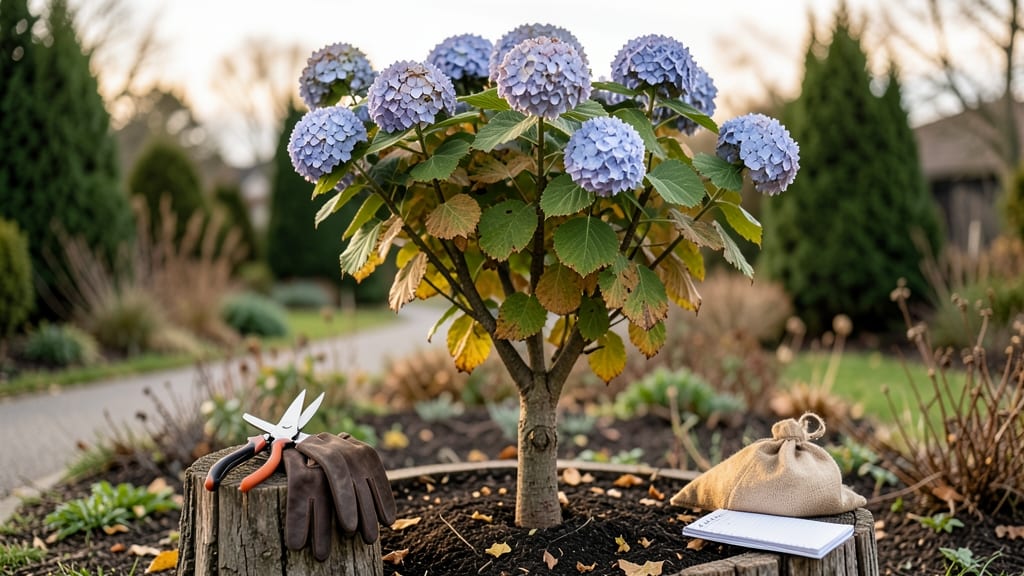
Fall pruning hydrangea trees transforms next spring’s blooms from sparse to spectacular. ✨ I’ve pruned mine for years, and the difference between a half-hearted trim and a strategic cut is what separates a decent bush from a showstopper.
The key window opens after leaves drop but before hard frost—when the plant’s energy has retreated but the structure remains visible.
You’ll need sharp bypass pruners, a ladder (for taller varieties), and a clear day to assess growth. Cut back one-third of the oldest stems to the ground, removing any dead, crossing, or weak branches first.
The goal is to open the center for airflow while maintaining the tree’s natural shape—think of it as giving your hydrangea a spa day before winter.
What you’ll end up with is a framework ready to burst into vibrant blooms by late spring. The pruned stems will push fresh growth early, and the open structure prevents disease by letting sunlight and air circulate. Just avoid fertilizing after pruning—let the plant focus on healing before spring’s rush.
Works for all hydrangea tree types (like oakleaf or panicle) and adapts to zones 4-9. The only rule? Never prune in late fall when frost looms—wait until the ground’s cold but the sky’s still clear. Here’s how to do it right the first time.
📚 In This Guide
- What you need
- Instructions
- Tips and common mistakes
- Wrapping up and next steps
What you need
- ● Pruning shears: Sharp, bypass type (for small branches, 6–8 inches long). Quantity: 1 pair.
- ● Loppers: Heavy-duty, bypass or anvil type (for thicker branches, 8–12 inches). Quantity: 1 pair.
- ● Pruning saw: Curved-tooth, folding type (for branches >1 inch thick). Quantity: 1.
- ● Disinfectant: 70% isopropyl alcohol or rubbing alcohol (to sterilize tools between cuts). Quantity: Small bottle.
- ● Gloves: Cut-resistant or gardening gloves (to protect hands). Quantity: 1 pair.
- ● Ladder: Sturdy, extension ladder (if tree exceeds 6 feet). Height: Reach at least 2 feet above the tallest branch.
- ● Heavy-duty trash bags: For collecting pruned branches. Quantity: 2–3 bags.
- ● Hand pruners: Compact, ergonomic type (for fine-tuning small cuts). Quantity: 1 pair.
- ● Tree wound dressing: Pruning sealant (controversial—skip unless dealing with large wounds).
- ● Work boots: Steel-toe or slip-resistant (for stability on uneven ground).
- ● Safety glasses: To shield eyes from debris.
- ● Notebook & pen: To jot down pruning notes or sketch a quick map of cuts.
- ● Weather: Choose a dry, mild day (50–65°F) with no rain in the forecast.
- ● Timing: Prune after the first hard frost (late fall) but before bud break (early spring).
- ● Safety first: Wear closed-toe shoes and avoid pruning near power lines.
- ● Tree health: Inspect for diseases or pests before pruning (treat if needed).
Step-by-Step instructions for pruning hydrangea trees in fall
Fall is the perfect time to shape your hydrangea tree for next year’s showstopping blooms.
✂️ Step 1: Gather the Right Tools and Safety Gear
Start with clean, sharp pruning shears—dull blades crush stems and invite disease. I always disinfect my tools with rubbing alcohol between cuts to prevent spreading any fungal spores hiding in the crevices. For larger branches, grab your loppers or pruning saw, but avoid cutting anything thicker than your wrist unless you’re experienced.
Wear gloves to protect your hands from thorns and sap. A small bucket or bag will catch the clippings, making cleanup effortless later. I like to work on a dry day when the branches aren’t slippery from morning dew—your safety matters more than the pruning schedule.
✂️ Step 2: Remove Dead, Diseased, or Weak Growth First
Scan your hydrangea tree for branches that are brown, mushy, or completely devoid of leaves—these are your first targets. Dead wood won’t regrow, and diseased branches can spread problems to healthy parts of the plant. Cut these back to the main trunk or a healthy bud, making your cuts at a 45-degree angle just above an outward-facing bud.
Next, look for branches that cross or rub against each other. These create wounds where pests and diseases love to hide. Thin out the weaker of the two branches at its base, always cutting back to a bud or lateral branch. This opens up the center of the tree, letting sunlight and air circulate freely—critical for preventing fungal issues.
✂️ Step 3: Shape the Tree for Balance and Airflow
Step back and admire your hydrangea’s natural shape. You’re aiming for an open, vase-like form that lets light reach all the branches. Start at the top and work your way down, removing any branches that grow inward or downward. These often become crowded and produce fewer blooms. Cut just above a bud that faces the direction you want the new growth to go.
For larger hydrangea trees, avoid removing more than one-third of the foliage in a single season—this stresses the plant. I like to leave a few smaller branches untouched; they’ll fill out beautifully next spring. If a branch is too thick to cut cleanly with shears, use your pruning saw and make the cut just outside the branch collar to promote faster healing.
🌿 Step 4: Encourage Next Year’s Blooms with Strategic Cuts
Hydrangeas bloom on either old wood (last year’s growth) or new wood (current year’s growth), depending on the variety. For most tree hydrangeas, you’ll want to focus on light pruning—just enough to shape without sacrificing next year’s flowers. Cut back any overly long or leggy branches by about one-third, but never remove more than a few inches from the tips.
If your hydrangea is particularly vigorous, you can also remove some of the smaller, inner branches that don’t contribute much to the overall shape. This redirects the plant’s energy to the stronger, outer branches, which will produce more abundant blooms. Avoid heavy pruning now—save that for early spring if needed.
💧 Step 5: Clean Up and Protect Your Tree
Once you’ve finished pruning, rake up all the clippings and dispose of them in the trash—not the compost pile. Hydrangea debris can harbor pests and diseases that might reinfect your plant. I also like to give the base of the tree a light mulch layer, about 2-3 inches thick, to protect the roots from winter temperature swings.
Finally, water the tree deeply to help it recover from the pruning stress. The roots will appreciate the moisture as they prepare for dormancy. If you’re in a cold climate, consider wrapping the trunk with burlap or tree guard to shield it from harsh winds and rodents. Your hydrangea will thank you with lush, vibrant blooms next spring.
Tips & tricks for perfect hydrangea tree pruning in fall
Here's what nobody tells you about fall pruning that'll make all the difference for next year's blooms.
Pruning Angle Matters: When you make those 45-degree cuts in Step 2, aim for the outward-facing bud just above the cut. This simple detail ensures new growth will develop outward, creating that beautiful vase shape we all love. I've seen too many pruning jobs where cuts were made too close to the trunk or at the wrong angle, leading to awkward growth patterns.
Branch Thickness Rule: For branches thicker than your wrist, use your pruning saw in Step 1. The key is making clean cuts just outside the branch collar—the swollen area where the branch meets the trunk. This prevents tearing and promotes faster healing. I learned this the hard way after seeing a poorly cut branch split during winter storms.
One-Third Rule: The instructions mention avoiding removal of more than one-third of foliage in Step 3, but here's why it matters: Hydrangeas store energy in their leaves. Removing too much stresses the plant and can reduce next year's bloom production. Think of it like your own energy reserves—you wouldn't want to burn through everything at once either.
Seasonal Timing Insight: Fall pruning works because the tree is entering dormancy, but don't wait until winter. Prune after the first hard frost when the tree has stopped actively growing but before the ground freezes. This timing gives the tree time to heal before winter stress sets in. I've noticed the biggest difference in spring blooms when pruning in late fall rather than early spring.
Pro Tips for Hydrangea Tree Pruning In Fall
- Here's what nobody tells you about fall pruning that'll make all the difference for next year's blooms.
- Pruning Angle Matters: When you make those 45-degree cuts in Step 2, aim for the outward-facing bud just above the cut.
- Branch Thickness Rule: For branches thicker than your wrist, use your pruning saw in Step 1.
Frequently asked questions
Got questions about pruning your hydrangea tree in the fall? You’re not alone—this task can feel tricky, especially when timing and techniques matter. Below, we’ve rounded up the most common questions (and answers!) to help you prune with confidence.
Is it really safe to prune hydrangea trees in late fall?
Yes! Late fall (after the first hard frost but before winter dormancy) is ideal for most hydrangea trees (like oakleaf or smooth hydrangeas). Pruning at this time removes dead wood, encourages airflow, and preps the tree for spring growth. Just avoid pruning bigleaf hydrangeas in fall—they bloom on old wood and need pruning right after flowering!
What’s the best time of day to prune?
Prune on a cool, overcast day or early morning to reduce stress on the tree. Avoid midday heat or windy days, as these can shock the plant. If you must prune in warm weather, water the tree thoroughly before and after to help it recover faster. Pro tip: Sterilize your tools with rubbing alcohol to prevent disease spread!
How much can I cut back without harming the tree?
For most hydrangea trees, aim to remove 1/3 of the total growth—focus on dead, diseased, or crossing branches first. Never cut into old wood (the thick, woody stems) unless you’re shaping a very mature tree. Over-pruning can weaken the tree or delay spring blooms, so err on the side of caution!
Can I prune a hydrangea tree in winter instead?
Winter pruning is possible, but it’s riskier because cold temps can stress the tree. If you must prune in winter, wait until late winter (just before buds swell) and avoid extreme cold snaps. If your tree is healthy, fall pruning is the safer bet—it gives the tree time to heal before spring’s growth surge.
My hydrangea tree isn’t blooming after pruning—what went wrong?
If your tree skipped blooms, it might be due to pruning at the wrong time (like cutting back bigleaf hydrangeas in fall) or over-pruning. Check the type of hydrangea—some bloom on new wood (prune in late winter), while others bloom on old wood (prune right after flowering). If unsure, snap a photo and consult a local nursery for guidance!
Wrapping up and next steps
Pruning your hydrangea tree in the fall isn’t just a chore—it’s the secret to stunning spring blooms!
By removing dead wood, thinning overgrowth, and shaping strategically, you’ll encourage healthier growth and vibrant flowers next season. 🌸 With the right tools, timing, and technique, you’re already on your way to becoming a hydrangea pruning pro.
Now that you’re armed with expert tips, grab those shears and give your hydrangea tree the care it deserves. Ready to transform your garden? Start pruning today and watch your tree thrive!