
Size
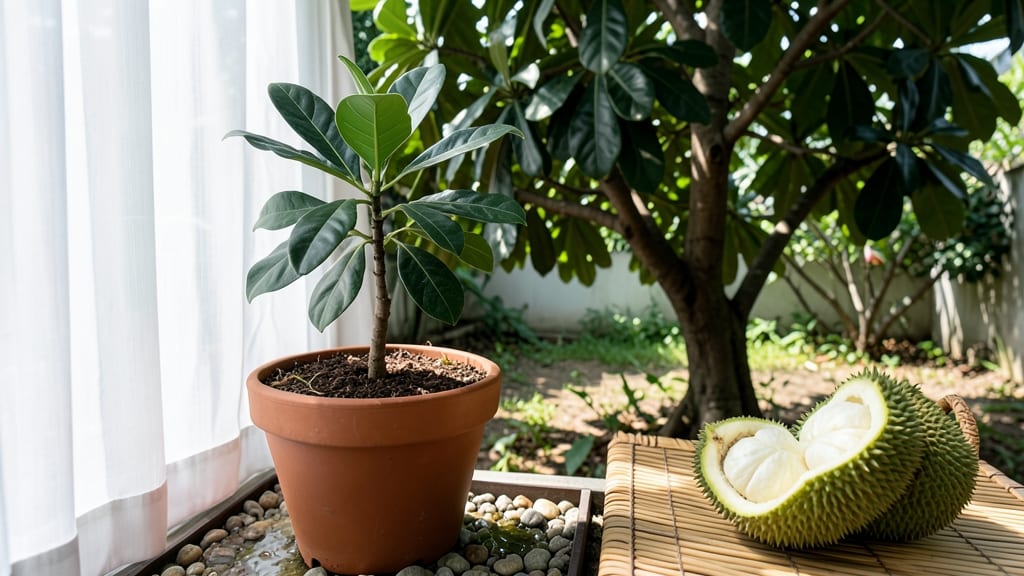
Growing this unique soursop guanabana tree at home means bringing tropical fruit flavor to your backyard—if you nail the heat, humidity, and patience. 🌴 This isn’t your average citrus tree; it thrives in 80-90°F zones, demands rich, slightly acidic soil, and rewards you with custard-like fruit that tastes like pineapple, mango, and strawberry all at once.
My first attempt nearly died from overwatering, but now I’ve got a 5-foot sapling pushing new leaves every spring.
Start with a young tree (or a cutting from a trusted source) and plant it in well-draining soil mixed with compost—think loamy and airy, not compact. A 5-gallon pot works for indoor starters, but outdoors, dig a hole twice as wide as the root ball.
Soursops hate soggy roots, so amend clay soil with perlite or coconut coir. Place it where it gets full sun (6+ hours daily)—no shade substitutes for the real deal.
By year two, you’ll see the magic: fragrant white flowers that attract pollinators, followed by football-sized fruits ripening in 4-6 months. The key is consistency—water deeply once a week (more in summer), fertilize lightly with citrus blend in spring, and prune only to shape (never for size).
Pests? Watch for scale insects; a neem oil spray keeps them off.
Indoor growers can try this under grow lights (12+ hours/day), but expect slower growth. Outdoor trees in USDA zones 10-11 produce fruit fastest, while zone 9 gardeners might get lucky with container-grown trees. Either way, the first harvest is worth the wait—imagine slicing into a guanabana straight from your patio.
Root Causes of Soursop Struggles
Growing a soursop (Annona muricata) tree at home can be incredibly rewarding, but many gardeners face challenges that prevent their plants from thriving. Understanding why these issues occur is the first step to fixing them.
Below, we break down the most common problems—from stunted growth to poor fruit production—and explain the science behind them.
Soursop trees are tropical powerhouses, meaning they demand warmth, humidity, and specific temperature ranges to flourish. If your tree isn’t growing as expected, the culprit might be:
- Cold Sensitivity 🥶 Soursops cannot tolerate frost—even brief exposure to temps below 40°F (4°C) can cause leaf drop, stunted growth, or death.
The tree’s metabolic processes slow dramatically in cooler weather, leading to poor nutrient uptake and weak new growth. - Actionable fix: Keep your tree in USDA Zones 10-11 or grow it in containers and bring it indoors during winter.
- Low Humidity Stress 💦 These trees thrive in 70-90% humidity. In dry climates (like indoor homes or arid regions), leaves curl, edges brown, and buds fail to set.
Low humidity disrupts transpiration, causing water loss and nutrient deficiencies. - Actionable fix: Mist leaves daily, use a humidifier, or place the tree near a water feature (like a fountain).
- Poor Airflow & Heat Stress 🌬️ Stagnant air traps fungal spores (like anthracnose) and pests, while excessive heat (above 95°F/35°C) can scorch leaves. Both conditions weaken the tree’s immune response. - Actionable fix: Space trees 6-10 feet apart outdoors or ensure cross-ventilation indoors.
Use shade cloth in peak summer.
Soursops are heavy feeders with specific soil needs. If your tree looks sickly or produces small, tasteless fruit, the soil might be the problem.
- Compacted or Poor-Draining Soil 🚫💧 Soursops hate soggy roots—waterlogged soil cuts off oxygen, leading to root rot (Phytophthora fungi). Meanwhile, clay or compacted soil restricts root expansion, limiting nutrient absorption. - Actionable fix: Amend soil with perlite, coconut coir, or sand to improve drainage.
Test soil pH—ideal range is 6.0-7.0.
- Nutrient Deficiencies 🍃 Yellowing leaves (chlorosis) or weak stems often signal nitrogen (N), potassium (K), or magnesium (Mg) deficiencies.
Soursops also need calcium for fruit development. - Actionable fix: - Nitrogen (N): Use composted manure or a balanced fertilizer (10-10-10) every 2-3 months. - Potassium (K): Add banana peels or wood ash to boost flowering/fruiting. - Magnesium (Mg): Apply Epsom salt (1 tbsp/gallon of water) monthly.
- Toxic Buildup of Salts or Chemicals ⚠️ Over-fertilizing or using tap water high in chlorine/fluoride can lead to salt burn, where leaf tips brown and crisp.
This disrupts osmotic balance in roots. - Actionable fix: Flush soil with rainwater every 2 months. Avoid synthetic fertilizers—opt for organic options like fish emulsion.
Soursops attract pests and fungi due to their sap-rich leaves and soft fruit. If your tree has holes, mold, or wilting branches, these are likely the culprits:
- Common Pests 🐛 - Mealybugs & Scale Insects: Sap-sucking pests that leave sticky residue (honeydew), attracting sooty mold.
They weaken the tree by blocking stomata (pores for gas exchange). - Fruit-Boring Insects (e.g., Soursop Fruit Fly): Larvae tunnel into fruit, causing rot and premature drop. - Actionable fix: - Neem oil spray (weekly) disrupts pest life cycles. - Introduce beneficial insects (ladybugs, parasitic wasps).
- Fungal Infections 🍄 - Anthracnose: Causes dark, sunken lesions on leaves/fruit.
Thrives in humid, poorly ventilated conditions. - Root Rot (Phytophthora): Waterlogged soil leads to mushy, discolored roots and wilting. - Actionable fix: - Prune infected leaves and dispose of them. - Apply copper fungicide (for anthracnose) or reduce watering (for root rot).
Overwatering or underwatering are leading causes of soursop failure. These trees need consistent moisture but hate soggy roots.
- Underwatering Stress 🌵 Wilting, crispy leaf edges, and abscission (leaf drop) occur when roots dry out. Soursops have shallow, fibrous roots, making them prone to drought.
- Actionable fix: Water 1-2 inches per week (more in heatwaves). Use drip irrigation to keep moisture steady.
- Overwatering & Root Suffocation 🌧️ Yellowing leaves, mushroom growth at the base, and a foul smell indicate root rot. Excess water displaces oxygen, suffocating roots.
- Actionable fix: Let the top 2 inches of soil dry before watering. Ensure pots have drainage holes.
Pro Tip: 💡 Diagnose issues early by checking:
- Leaves: Yellow? (Nitrogen deficiency or overwatering)
- Stems: Soft or mushy? (Root rot)
- Fruit: Small or misshapen? (Lack of potassium or poor pollination)
Fixing Common Guanabana Tree Troubles
Growing a soursop (guanabana) tree at home is rewarding, but pests, diseases, and environmental stressors can slow progress. Below are practical solutions to the most common issues, paired with prevention tips to keep your tree thriving. 🌿🛠️
Symptoms: Sticky residue on leaves, yellowing foliage, or tiny webs.
How to Fix It:
- 🔥 Spray with Neem Oil – Mix 1 tsp neem oil + 1 tsp mild soap + 1 quart water and spray directly on pests (repeat weekly).
- 🍳 DIY Alcohol Spray – Combine 1 part rubbing alcohol + 3 parts water in a spray bottle for quick knockdown of mealybugs.
- 👨🍳 Prune Infested Branches – Cut and dispose of heavily damaged leaves to stop spread.
💡 Prevention Tip: Encourage beneficial insects like ladybugs by planting companion flowers (e.g., marigolds).
Symptoms: White powder on leaves (mildew) or mushy stems (root rot).
How to Fix It:
- ✨ For Powdery Mildew: Spray with baking soda solution (1 tbsp baking soda + 1 quart water + a drop of soap) every 7–10 days.
- 🔪 For Root Rot: Trim affected roots, repot in well-draining soil (add perlite), and ensure pots have drainage holes.
- 🌧️ Improve Airflow – Space plants 3–4 feet apart to reduce humidity buildup.
💡 Prevention Tip: Water at the base (not overhead) and avoid overwatering—soursop trees prefer slightly moist, not soggy, soil.
Symptoms: Pale, yellow leaves (often starting at the bottom).
How to Fix It:
- 📊 Check Soil pH – Guanabanas thrive in slightly acidic soil (pH 5.5–6.5). Test with a kit and amend with sulfur if too alkaline.
- 💪 Fertilize Smartly – Use a balanced citrus fertilizer (e.g., 6-6-6) every 2–3 months in growing season (spring–fall).
- ⏰ Adjust Watering – Let top 2 inches of soil dry between waterings; soggy soil = root suffocation.
💡 Prevention Tip: Mulch with organic matter (e.g., compost) to retain moisture and nutrients.
Symptoms: Tiny leaves, sparse branches, or flowers that drop without fruiting.
How to Fix It:
- ☀️ Ensure Full Sun – Guanabanas need 6+ hours of direct sunlight daily; move to a sunnier spot if indoors.
- 🌡️ Warmth & Humidity – Keep soil temps above 60°F (15°C) and mist leaves if air is dry (ideal humidity: 60–70%).
- 🍃 Hand-Pollinate Flowers – Use a soft brush to transfer pollen between flowers (especially if indoors with no bees).
💡 Prevention Tip: Prune lightly in late winter to encourage bushier growth and more fruiting branches.
Final Note: Most issues stem from overwatering, poor drainage, or pest neglect—address these first! With care, your guanabana tree will reward you with juicy, creamy fruit in 2–5 years. 🍈✨
Frequently asked questions about growing soursop trees
How long does it take for a soursop tree to bear fruit?
With ideal conditions, a young soursop tree typically produces its first fruit in 3-5 years. However, container-grown trees or those in cooler climates may take 5-7 years to reach maturity. Patience is key—focus on establishing strong roots and healthy foliage first, and avoid heavy pruning that could delay fruiting.
Can I grow a soursop tree from seed, or should I buy a nursery sapling?
While you can grow from seed, it takes 5-7 years longer to fruit compared to a nursery sapling. Seeds often produce trees with inconsistent fruit quality. For faster results, buy a 1-2 year old sapling from a tropical nursery—just verify it’s grafted for better disease resistance.
What’s the best way to pollinate soursop flowers indoors?
Use a soft paintbrush to transfer pollen between flowers when they open in the morning. Since indoor trees lack bees, pollinate 2-3 times daily for 3-4 days after flowering. For extra help, place the tree near an open window during warm months to attract accidental pollinators.
How do I know when a soursop fruit is ripe?
Ripe soursops feel slightly soft when gently squeezed (like a ripe avocado) and emit a sweet, tropical fragrance. The skin should be yellowish-green, not fully green or brown. Unripe fruit tastes bitter—wait until it yields slightly to touch before harvesting.
What’s the fastest way to revive a struggling soursop tree?
Start by repotting in fresh, well-draining soil (mix garden soil with perlite) and prune any mushy roots. Move it to a sunnier spot (6+ hours of light) and reduce watering—let the top 2 inches of soil dry between waterings. Apply a balanced citrus fertilizer (6-6-6) lightly to boost recovery.