
Pruning
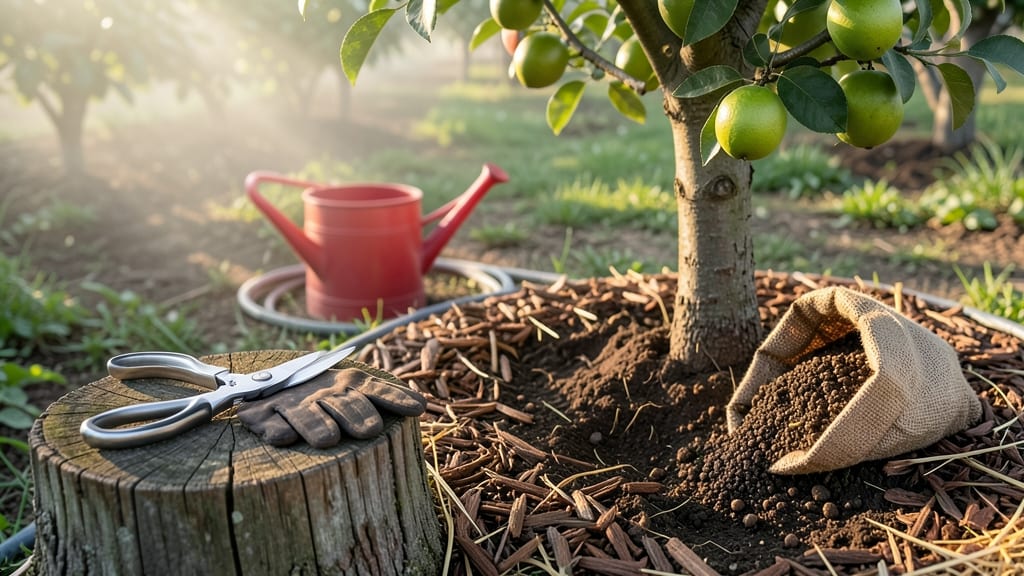
Your fruit tree care near me starts with knowing exactly when to prune, fertilize, and protect—because every local climate demands a different rhythm. 🌳 I’ve watched my peach tree go from a sad sapling to a bursting-with-fruit centerpiece by following three simple seasonal rules: prune in late winter, feed after blooms fade, and watch for pests before they strike.
The difference between a thriving tree and a struggling one often comes down to these small, precise moments.
Most beginners overlook how soil and watering habits change with age—your young tree needs deep watering twice a week, while a mature one thrives on one inch of water per week once roots spread.
I learned this the hard way when my neighbor’s apricot tree outproduced mine until I adjusted my watering schedule. Local nurseries often carry soil amendments tailored to your region, so a quick call or visit can save you years of trial and error.
By summer’s end, you’ll harvest fruit so sweet it’ll make your neighbors ask for cuttings. The secret? Regular pruning keeps air circulating (fewer diseases), and mulching retains moisture (less stress). Even in drought-prone areas, these tricks work—just time your care to match your local frost dates and rainfall patterns.
Need hands-on help? Many cities offer free workshops through extension offices, and arborists often do consultations for a modest fee. Start with your local nursery—they’re the best resource for climate-specific advice and can point you to the right tools or trees for your yard.
📚 In This Guide
- What you need
- Instructions
- Tips and common mistakes
- Wrapping up and next steps
What you need
- ● Pruning shears: Bypass pruners (sharp, 6-8" blades) for clean cuts on small branches.
- ● Loppers: 20-24" long for thicker branches (up to 2" diameter).
- ● Pruning saw: Curved-tooth blade for branches over 2" thick.
- ● Gloves: Heavy-duty, cut-resistant (gardening or pruning-specific).
- ● Disinfectant: 70% isopropyl alcohol or bleach solution (1 part bleach to 9 parts water) to sterilize tools between cuts.
- ○ Pruning sealant: Optional but helpful for large wounds (e.g., Tanglefoot Tree Wound Pruning Seal).
- ● Ladder or step stool: Sturdy, non-slip (if trees are over 6-8 feet tall).
- ○ Tarp or drop cloth: To collect debris (optional but handy for cleanup).
- ● Knowledge: Basic understanding of your tree’s species, age, and growth habits (local nurseries or extension offices can help!).
- ● Weather check: Prune on a dry, calm day (avoid rainy or windy conditions).
- ● Safety gear: Safety glasses (if sawing) and closed-toe shoes.
- ● Fertilizer: Balanced, slow-release (e.g., 10-10-10 NPK ratio) or organic options like compost or manure tea.
- ● Mulch: 2-4" layer of organic mulch (wood chips, straw) to retain moisture and suppress weeds.
- ● Watering can or hose: With a gentle spray nozzle for post-pruning hydration.
Step-by-step fruit tree care for thriving local growth
Here’s how I keep fruit trees healthy and productive—no matter where you live.
🌱 Step 1: Plant in the Right Spot for Year-Round Success
Fruit trees need 6-8 hours of sunlight daily and protection from strong winds. I always check the tree’s mature size before planting—dwarf varieties fit small yards, while standard trees need 20+ feet of space. Dig a hole twice as wide as the root ball but no deeper, then loosen the soil at the bottom to encourage root spread.
Place the tree so the graft union (the bump near the base) sits 2-3 inches above ground level. This prevents rot and ensures strong growth. Backfill with native soil mixed with 3 inches of compost to give roots a nutrient boost right away. Water deeply to settle the soil around the roots.
☀️ Step 2: Water Deeply and Consistently Through the First Year
Newly planted trees need 1-2 inches of water weekly, but I check the soil first—stick your finger 3 inches deep. If it feels dry, water slowly until moisture reaches 12 inches down. Shallow watering encourages weak roots that can’t support the tree long-term.
Mulch around the base with 3-4 inches of organic mulch (like wood chips), keeping it 6 inches away from the trunk to prevent rot. This locks in moisture and keeps roots cool in summer. Avoid mulch volcanoes—piling mulch against the trunk suffocates the tree and attracts pests.
✂️ Step 3: Prune for Shape and Health in Late Winter
Prune just before buds swell (usually February-March in most climates) to remove dead, crossing, or diseased branches. I always sterilize my pruners with rubbing alcohol to prevent spreading disease. Cut ¼ inch above a outward-facing bud at a 45-degree angle to encourage healthy growth.
Open the center of the tree to improve airflow and sunlight penetration. Thin out crowded branches to reduce competition for nutrients. Never remove more than 25% of the tree’s foliage in one season—this stresses the tree and weakens fruit production.
🌿 Step 4: Fertilize and Monitor for Pests Year-Round
Apply a balanced, slow-release fertilizer (like 10-10-10) in early spring, following package rates. I avoid synthetic fertilizers—they burn roots. Instead, I top-dress with compost or aged manure in fall to feed the soil naturally. Fruit trees are heavy feeders, so I fertilize again in midsummer if new growth slows.
Watch for common pests like aphids, mites, or borers. I inspect leaves weekly—look for sticky residue (aphids), webbing (mites), or sawdust-like frass (borers). Treat infestations early with neem oil or insecticidal soap. Healthy trees resist pests better, so consistent care prevents most problems before they start.
⏰ Step 5: Prepare for Winter Dormancy and Next Year’s Growth
In late fall, reduce watering as temperatures drop—1 inch every 2-3 weeks is enough. Wrap young trees’ trunks with tree wrap to protect bark from winter sunscald. Mature trees handle cold well, but a thick layer of mulch keeps roots insulated.
Prune out any fruit that didn’t ripen in fall—this prevents pests and diseases from hiding in mummified fruit. I also note last year’s growth patterns: where branches grew too fast, where fruit clustered too tightly. This helps me adjust pruning and thinning strategies for next season.
Tips & tricks for thriving local fruit trees
Between us, these little details make all the difference between a struggling tree and one that bears fruit like crazy year after year.
Sunlight Strategy: I’ve learned the hard way that partial shade can ruin fruit quality—even if your tree gets 6-8 hours of sun, check for afternoon shade from nearby buildings or taller trees. Morning sun (east side) is ideal for most fruit trees, as it dries dew quickly and reduces fungal risks. If you’re planting in a windy area, consider a windbreak like a fence or shrubs on the exposed side.
Graft Union Protection: That little bump near your tree’s base isn’t just decoration—it’s the genetic blueprint of your fruit! If it’s buried too deep (more than 2-3 inches), rot will creep up. I’ve seen trees with graft unions buried by overzealous gardeners completely fail to produce fruit. Mark it with a small stake at planting time so you remember where it should be.
Watering Wisdom: The 1-2 inches weekly guideline works for average conditions, but your local climate matters. In hot summers, you might need to water every 5-7 days instead. I test soil moisture by pushing a screwdriver in—if it goes in easily, wait a day. For newly planted trees, I water deeply every 3-4 days for the first month to help roots establish before switching to the weekly schedule.
Pruning Precision: When you’re thinning branches in Step 3, look for “water sprouts”—those fast-growing vertical shoots that steal energy from fruit production. Cut them back to a lateral branch. And here’s a trick: make your pruning cuts just outside the branch collar (the swollen area where the branch meets the trunk) rather than flush with it. This helps wounds heal faster and prevents disease entry points.
Pro Tips for Fruit Tree Care Near Me
- Between us, these little details make all the difference between a struggling tree and one that bears fruit like crazy year after year.
- Sunlight Strategy: I’ve learned the hard way that partial shade can ruin fruit quality—even if your tree gets 6-8 hours of sun, check for afternoon shade from nearby buildings or taller trees.
- Graft Union Protection: That little bump near your tree’s base isn’t just decoration—it’s the genetic blueprint of your fruit!
Frequently asked questions
When is the best time to prune my fruit tree?
The ideal time depends on your tree type! For most fruit trees (like apples, peaches, or plums), late winter or early spring—just before buds swell—is perfect. Citrus trees should be pruned in late winter, while tropical fruit trees (like mangoes) can be pruned year-round in warm climates. Always avoid pruning when frost is expected!
How do I know if I’m pruning correctly?
Look for these signs: healthy cuts (clean, not jagged), open centers (allowing sunlight and airflow), and balanced shape. Avoid over-pruning—never remove more than 25% of the tree’s canopy in one season. If you’re unsure, snap a photo and compare it to local pruning guides or ask a pro!
Why are my fruit tree leaves yellowing or dropping?
Yellow leaves often signal overwatering, underwatering, or nutrient deficiencies. Check the soil moisture—it should feel like a damp sponge, not soggy. Lack of nitrogen? Use organic fertilizer. Pests? Inspect for aphids, mites, or scale insects. If the problem persists, a soil test can pinpoint the issue!
Can I grow a fruit tree in a small yard or container?
Dwarf varieties (like columnar apples or patio-friendly citrus) thrive in containers or tight spaces. Just ensure the pot is at least 18–24 inches deep with drainage holes. Bonus: Containers let you move trees to optimal sunlight or shelter during harsh weather. Pro tip: Use lightweight potting mix and fertilize regularly!
What tools do I really need for pruning?
Start with these essentials:
- Bypass pruners (for clean cuts on small branches)
- Loppers (for thicker branches up to 2 inches)
- Pruning saw (for large limbs)
- Gloves & sharpener (safety first!)
Wrapping up and next steps
Caring for your fruit trees doesn’t have to be overwhelming—with the right techniques, a little patience, and local expertise, you’ll be rewarded with bountiful harvests year after year! 🌳 From pruning to pest control, each step plays a role in keeping your trees thriving.
Now’s the perfect time to roll up your sleeves and give your fruit trees the attention they deserve.
Ready to take action? Start small—pick one task from this guide and tackle it this weekend. Need a hand? Search for “fruit tree care near me” to find local pros or gardening groups for personalized advice. Your future orchard awaits! 🍎✨