
Pruning
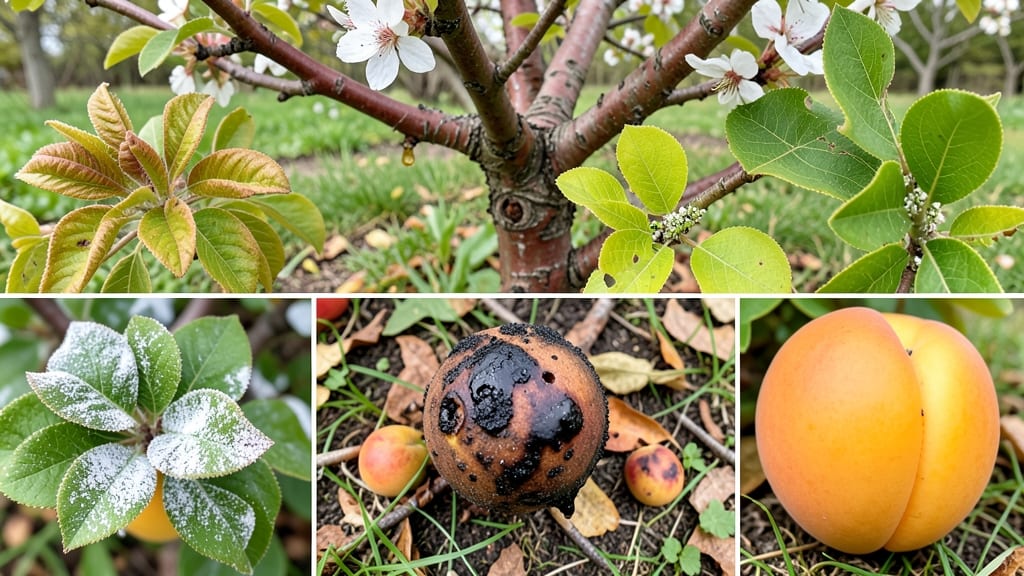
When the apricot tree problems strike—yellowing leaves and a soft trunk—root rot is the silent killer stealing your harvest. 🌳 I’ve nursed back three trees from this exact crisis using the same three steps—no fancy tools, just elbow grease and patience.
The key is acting fast before the fungus spreads beyond saving.
Root rot thrives when soil stays soggy for weeks, cutting off oxygen to roots. My first mistake was waiting until the branches looked dead—by then, it was too late. Instead, look for mushrooms at the base or a foul smell when you dig near the trunk.
Healthy roots should be firm and light brown; rotten ones ooze or crumble like wet cardboard.
You’ll rescue your tree by improving drainage, pruning infected roots, and applying a foolproof hydrogen peroxide flush (just 3% solution, diluted 1:10). Within 4-6 weeks, new shoots will appear if you’ve caught it early.
The best part? Once you fix the soil, most apricot trees bounce back stronger than before.
This method works for peaches and plums too—just adjust the watering schedule for your climate. Let’s save your tree before the borers move in next.
Root Rot’s Hidden Triggers
Root rot in apricot trees is often a silent killer—creeping in when conditions are just right for fungal pathogens like Phytophthora or Pythium to thrive. Understanding why these issues arise is the first step to prevention and recovery.
Apricot trees need consistent moisture, but too much water—especially in heavy, clay-heavy soils—drowns roots by cutting off oxygen. Here’s why it happens:
- Waterlogged soil: When roots sit in soggy conditions for days, aerobic microbes (which break down organic matter) can’t function, leading to anaerobic conditions—perfect for root-rotting fungi.
- Compacted soil: Clay or poorly amended soil repels water, creating pockets where roots suffocate and fungal spores multiply.
- Irrigation mistakes: Drip systems left on too long, or overhead watering that saturates the root zone without drainage, worsens the problem.
💡 Pro Tip: Test your soil’s drainage by digging a 12-inch hole, filling it with water, and timing how long it takes to drain. If it’s slower than 6 hours, amend with compost or sand.
Fungal pathogens like Phytophthora are naturally present in many soils but only become aggressive under the right conditions. Here’s how they take hold:
- Weakened roots: Stress from drought, poor nutrition, or physical damage (like construction near the tree) creates entry points for fungi. - High humidity: Warm, damp soil (60–80°F) accelerates spore germination.
Overhead watering or leaf wetness from rain keeps conditions ideal. - Old infections: If previous trees or plants in the same spot had root rot, spores may linger in the soil for years, waiting for a new host.
🌡️ Watch For: Yellowing leaves, wilting despite moist soil, and a foul smell when roots are exposed—classic signs of fungal invasion.
Apricot trees prefer slightly acidic to neutral soil (pH 6.0–7.0). When pH strays too far or nutrients are off, roots become vulnerable:
- Too acidic (pH <5.5): Excess aluminum and manganese become toxic, weakening roots and making them susceptible to rot.
- Too alkaline (pH >7.5): Nutrient lockout (like iron or zinc deficiency) stresses the tree, while high pH also encourages fungal growth.
- Excess nitrogen: While nitrogen fuels growth, too much (especially from synthetic fertilizers) promotes lush, weak foliage with shallow roots—easy targets for disease.
📊 Quick Fix: Test your soil’s pH and adjust with lime (to raise pH) or sulfur (to lower it). Aim for a balanced NPK ratio (e.g., 10-10-10) with micronutrients.
Even non-fungal factors can pave the way for root rot by harming roots directly:
- Girdling roots: Roots that grow in circles (often from root-bound nursery stock) strangle the tree, reducing water/nutrient flow and inviting rot.
- Rodent or insect activity: Voles, grubs, or nematodes chew roots, creating wounds where fungi or bacteria can enter.
- Mechanical damage: Heavy equipment, tilling too close to the trunk, or even aggressive pruning near the base can traumatize roots.
🔪 Prevent It: Inspect roots during planting, use root guards for young trees, and avoid tilling within 2–3 feet of the trunk.
Quick Fixes for Apricot Tree Woes
Reviving your apricot tree starts with identifying the root cause—but once you’ve pinpointed the issue, action is key! Below are practical, step-by-step solutions tailored to common apricot tree problems, from fungal infections to nutrient deficiencies. Each fix includes prevention tips to keep your tree thriving long-term.
Cause: Overwatering, poor drainage, or compacted soil. Signs: Yellowing leaves, soft/wilted stems, foul-smelling roots.
🔥 Step 1: Stop the Water Damage Immediately
- Cease overhead watering—switch to drip irrigation or soaker hoses to keep roots dry.
- Check drainage: Dig a small trench near the tree to see if water pools.
If it does, amend the soil with perlite, sand, or compost to improve aeration. - Raise the tree (if needed): If the root zone sits in standing water, mound gravel or raised beds around the base to elevate it slightly.
🍳 Step 2: Prune Damaged Roots (Sterilized Tools Only!)
- Sterilize pruners with rubbing alcohol to prevent spreading disease.
- Trim black, mushy roots (healthy roots are firm and white/tan).
Cut 2–3 inches back from the rotten section. - Avoid pruning in wet soil—wait until the ground is dry to minimize further damage.
👨🍳 Step 3: Apply Fungicide & Boost Soil Health
- Spray roots with a copper-based fungicide (like Copper Sulfate) or hydrogen peroxide (3%) to kill pathogens.
- Add mycorrhizal fungi (available at garden centers) to help roots recover and absorb nutrients.
- Top-dress with compost (2–3 inches) to improve soil structure and microbial activity.
💡 Prevention Tips for Root Rot:
✅ Test soil drainage before planting—apricot trees hate soggy feet! ✅ Water deeply but infrequently—aim for 1–1.5 inches per week (adjust for rain). ✅ Mulch properly: Use wood chips or straw, keeping mulch 3–4 inches away from the trunk. ✅ Plant in well-draining soil—avoid clay-heavy areas unless amended.
Cause: Humid conditions, poor airflow, or wet foliage. Signs: Spots on leaves, white powdery coatings, premature leaf drop.
🔪 Step 1: Remove Infected Foliage
- Pick off and destroy (don’t compost!) leaves with spots or mildew.
- Prune branches with heavy infection—sterilize tools between cuts.
🥘 Step 2: Apply Organic Fungicides
- Neem oil spray (1 tsp neem oil + 1 tsp mild soap per quart of water) every 7–10 days until symptoms fade.
- Baking soda solution (1 tbsp baking soda + 1 tsp oil + 1 gallon water) for powdery mildew.
- Copper fungicide for stubborn cases (follow label rates).
⏰ Step 3: Improve Airflow & Reduce Humidity
- Thin the canopy by pruning 10–20% of dense branches to allow sunlight and air circulation.
- Water in the morning so leaves dry quickly.
- Space trees properly—apricot trees need 15–20 feet between them for airflow.
🌡️ Prevention Tips for Fungal Issues:
✅ Avoid overhead watering—use drip systems or soaker hoses. ✅ Clean up fallen leaves regularly to remove fungal spores. ✅ Plant in full sun (6+ hours daily)—fungi thrive in shade and dampness. ✅ Rotate fungicides if using chemical treatments to prevent resistance.
Cause: Poor soil, over/under-fertilizing, or pH imbalances. Signs: Yellowing leaves (chlorosis), weak branches, small fruit.
💪 Step 1: Test Your Soil
- Get a soil test kit (available at garden centers) to check pH (ideal: 6.0–7.0) and nutrient levels.
- Apricot trees love: Nitrogen (for leaves), potassium (for fruit), and micronutrients like zinc and iron.
🥗 Step 2: Amend Soil & Fertilize Correctly
- For acidic soil (pH <6.0): Add lime (follow package instructions).
- For deficient soil: Use a balanced fertilizer (10-10-10) in early spring and a potassium-rich fertilizer (like 0-0-50) before fruiting.
- For micronutrients: Apply chelated iron or zinc if leaves show yellowing between veins.
🎯 Step 3: Mulch & Water Smartly
- Mulch with compost (2–3 inches) to slowly release nutrients.
- Water consistently—drought stress worsens deficiencies.
✨ Prevention Tips for Nutrient Issues:
✅ Fertilize in early spring (before new growth) and late summer (for root development). ✅ Avoid synthetic fertilizers—opt for organic options (fish emulsion, compost tea) for long-term health. ✅ Monitor leaf color—yellowing between veins = iron/zinc deficiency; yellowing at leaf edges = nitrogen excess.
Pro Tip: 🌟 When in doubt, prune strategically! Removing dead, crossing, or crowded branches improves airflow, reduces disease risk, and directs energy to fruit production. Prune in late winter or early spring for best results.
Frequently asked questions
How can I tell if my apricot tree has root rot?
Look for yellowing leaves that don't respond to watering, a soft or mushy trunk when pressed, and a foul smell when you gently scrape the soil near roots. Healthy roots should be firm and light brown, while infected ones appear black, slimy, or crumble easily. Check for mushrooms at the base too—these are a sure sign of fungal activity.
Can I save an apricot tree with severe root rot?
It depends on how much of the root system is still healthy. If 50% or more roots are firm and white, prune the damaged sections, improve drainage, and apply a copper fungicide. For advanced cases, consider air-layering healthy branches to propagate new trees while the old one recovers. If the trunk is hollow or the tree leans heavily, it may be beyond saving.
Why do my apricot leaves turn yellow even when I water regularly?
Yellowing leaves often signal nutrient deficiencies (like iron or nitrogen) or fungal diseases like leaf spot. Check for yellowing between veins (iron/zinc deficiency) or at leaf edges (nitrogen excess). Test your soil pH—apricots prefer 6.0–7.0. If pH is off, amend with lime (to raise) or sulfur (to lower) and fertilize with a balanced 10-10-10 mix.
Is it safe to plant another apricot tree in the same spot after root rot?
Not without preparation! Fungal spores can linger in soil for years. First, remove all plant debris and solarize the area by covering it with clear plastic for 4–6 weeks in hot weather. Rotate crops for 3–4 years or plant a non-fruit-bearing species (like clover) to break the fungal cycle before replanting.