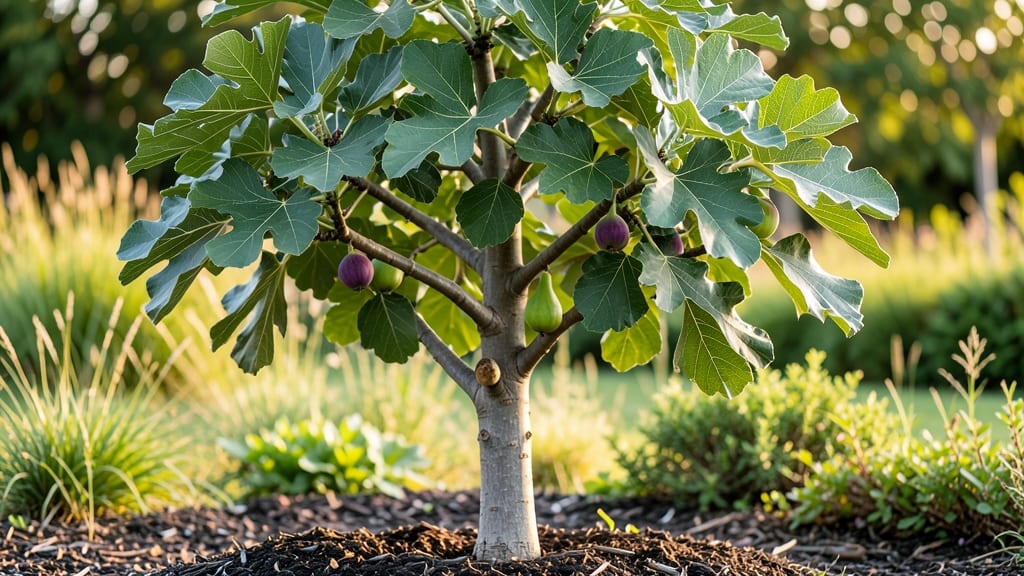
💥 Quick Answer Fig trees thrive best in warm climates within USDA zones 7 through 10, where they demand full sun exposure and well-draining soil. While they can handle brief cold snaps, prolonged freezing below 15°F…
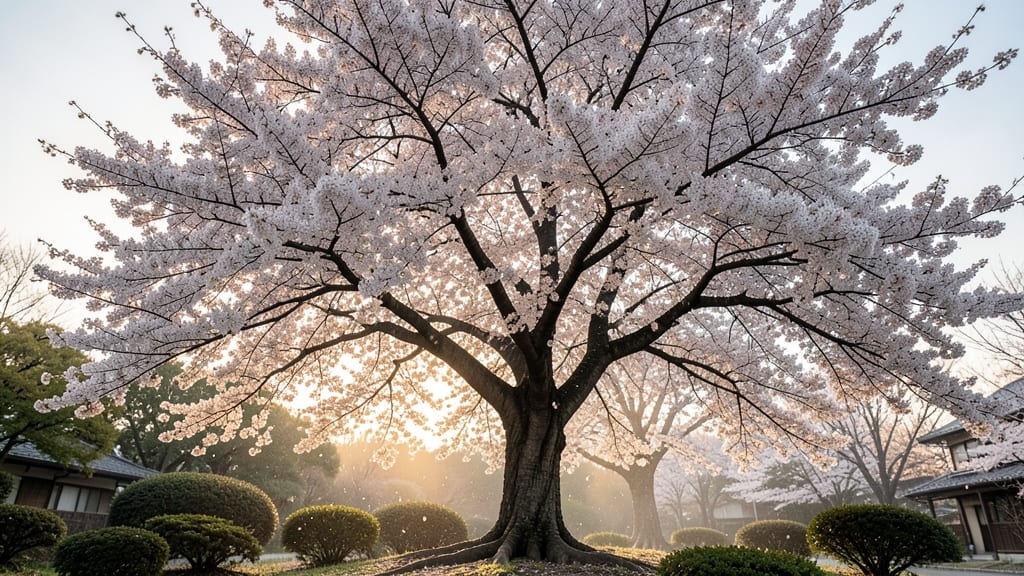
Transform your garden into a sensory paradise with these 10 fragrant trees that bloom with pristine white flowers. Their intoxicating scents—ranging from sweet to citrusy—will elevate any outdoor space, whether you crave…
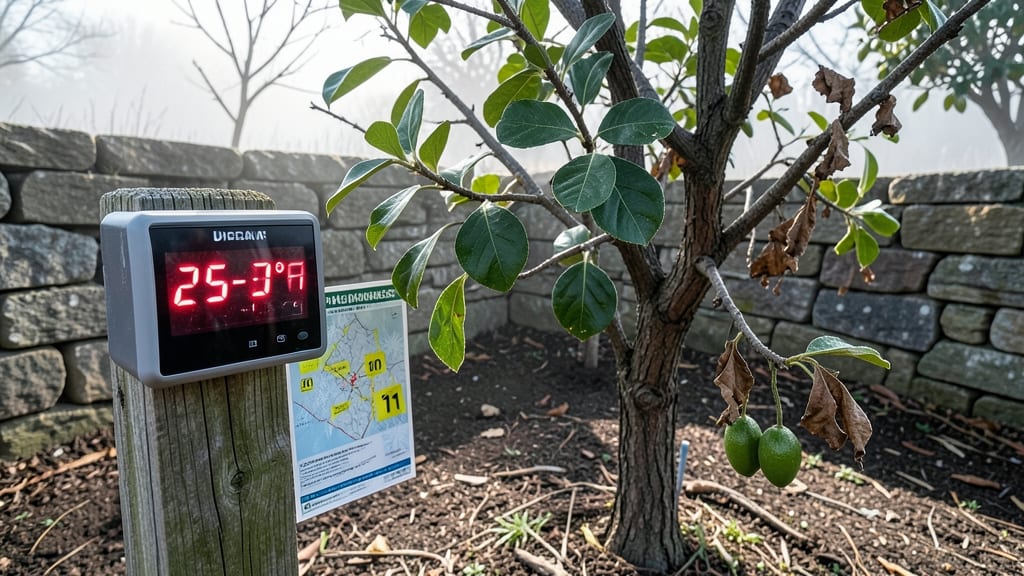
💥 Quick Answer Guava trees show best cold hardiness in USDA Zones 9-11, enduring short cold snaps to 28°F (-2°C). Young trees or sudden dips below 25°F (-4°C) face severe damage, but mature specimens often bounce back…
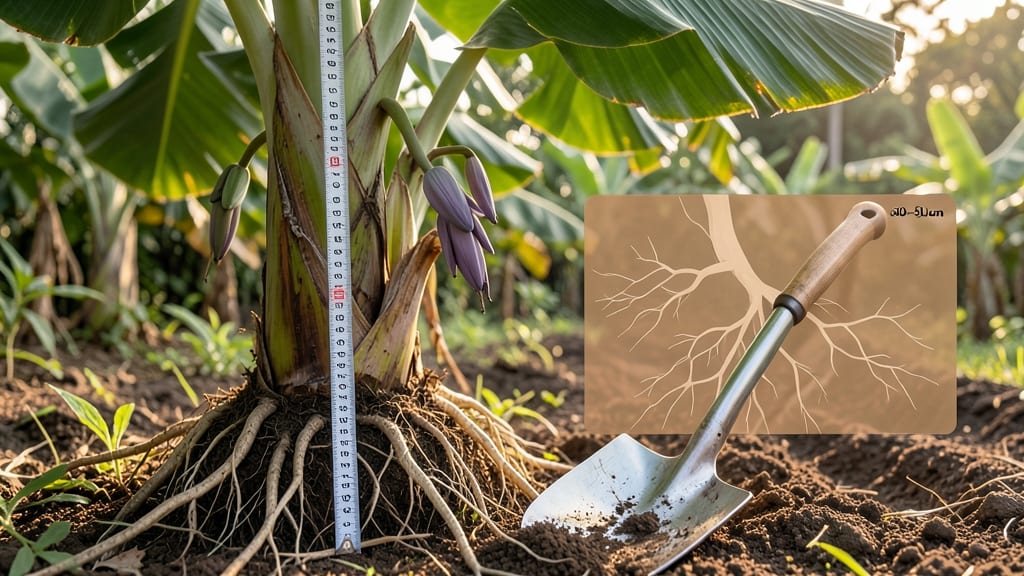
Banana tree roots grow surprisingly deep—often reaching 3 to 5 feet or more—while also spreading wide to anchor the plant and absorb nutrients. If you’ve ever wondered why banana trees topple over or how to give them the…
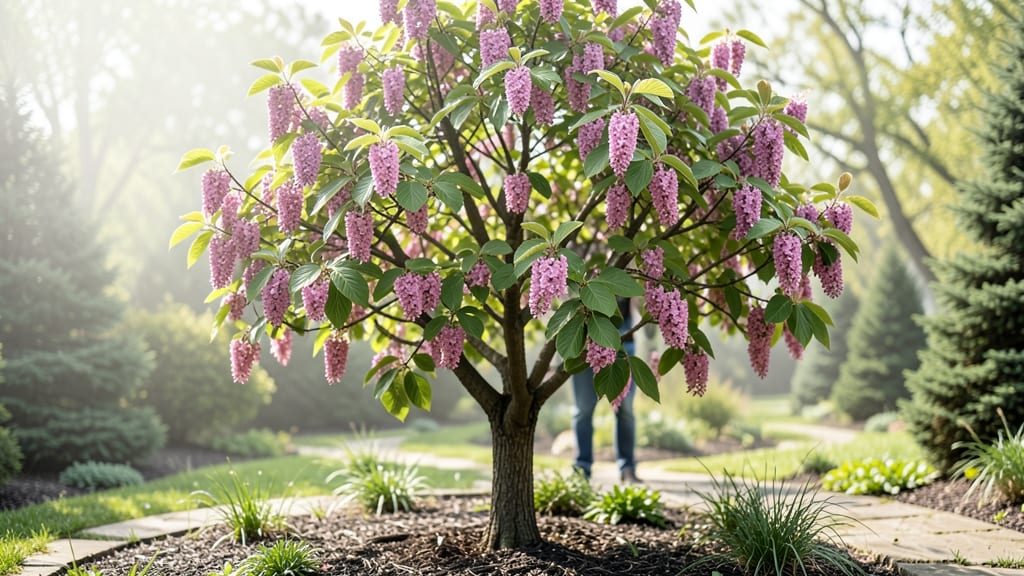
A redbud tree grows between 10 and 30 feet tall at maturity, depending on the variety and growing conditions — a range that can transform your yard from a small garden to a statement landscape. If you're dreaming of a…
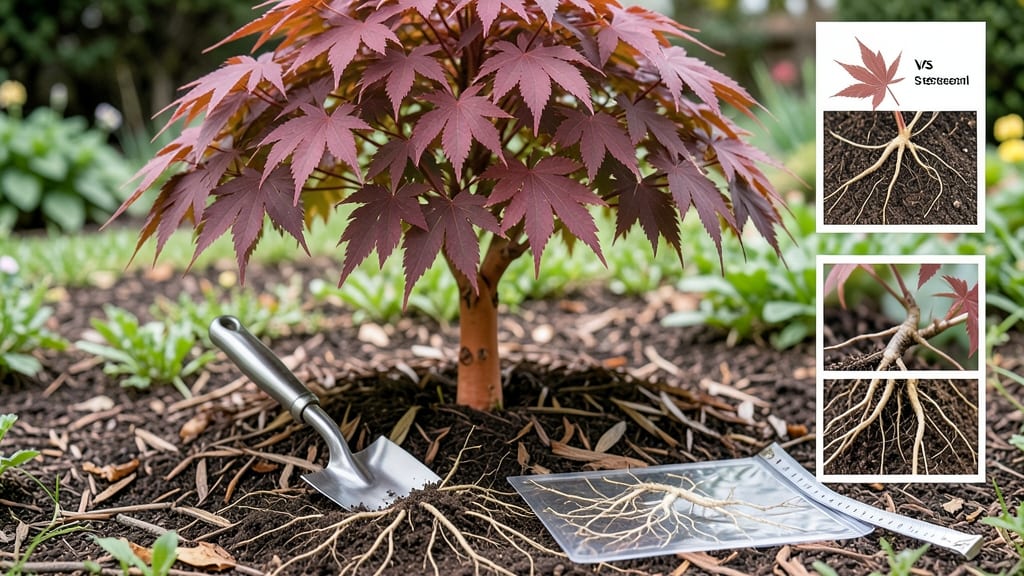
The Japanese Maple Tree 🌿 root system is shallow yet expansive—spreading far wider than its canopy and staying close to the surface, which is why planting and pruning decisions can make or break its health. Picture…
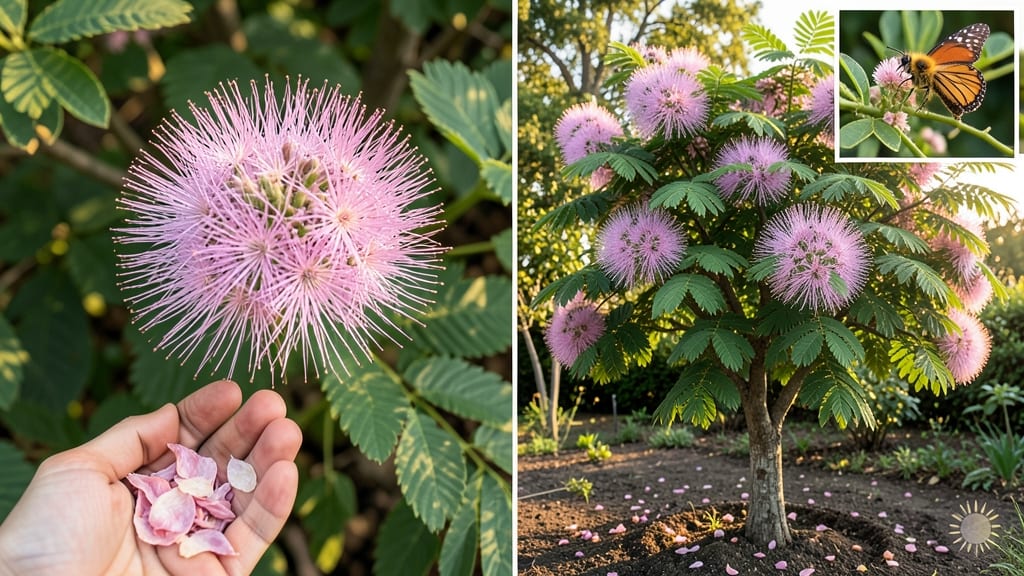
💥 Quick Answer Mimosa tree flowers provide remarkable benefits by purifying the air through toxin absorption, enriching soil with nitrogen fixation, and supporting pollinator ecosystems while releasing oxygen during…
I’ve always had a green thumb—whether it was coaxing tomatoes to ripen in my grandmother’s backyard or wrestling with stubborn weeds in my first apartment garden.
Now, I’m sharing the lessons I’ve learned over the years, from seed to harvest, in the hopes of making gardening a little less intimidating and a lot more rewarding for everyone. Here, you’ll find practical tips, personal stories, and a healthy dose of patience (because even the best gardeners have their share of failures).