
How To
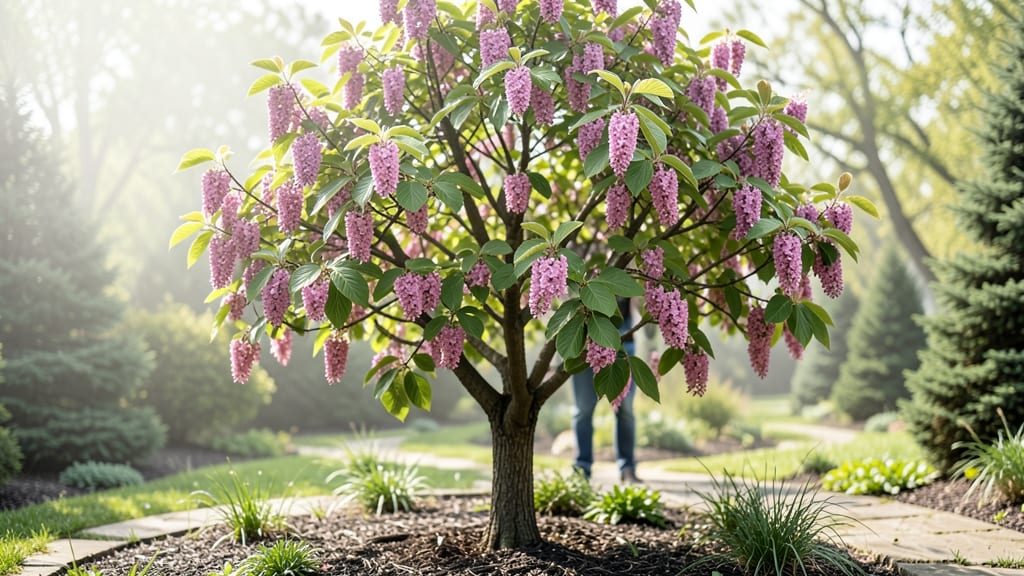
A redbud tree grows between 10 and 30 feet tall at maturity, depending on the variety and growing conditions — a range that can transform your yard from a small garden to a statement landscape.
If you're dreaming of a stunning springtime tree with delicate pink blooms but aren’t sure how much space to dedicate, the redbud tree’s height could make or break your landscaping plans. Some varieties stay compact enough for small yards, while others reach towering heights—here’s exactly what to expect.
For example, the classic Eastern Redbud 🌳 typically hits 20 to 30 feet, perfect for larger properties, while dwarf varieties like ‘Covey’ max out at just 8 to 12 feet, ideal for tight spaces.
The difference comes down to pruning, soil quality, and sunlight exposure, all of which I’ll break down in the next section.
You’ll also discover how to control growth with simple care tips, which varieties suit your space, and why some redbuds grow faster than others. Let’s get started.


Redbud tree height by variety: exact growth expectations
The redbud tree (Cercis canadensis) is a springtime showstopper with vibrant pink blooms, but its mature height varies dramatically by variety. Whether you have a small urban yard or a spacious landscape, choosing the right type ensures your tree thrives without overwhelming your space.
Some varieties stay under 10 feet tall, while others reach towering 30 feet—here’s the exact breakdown.
Redbud trees grow at a moderate rate, typically adding 12–24 inches per year in ideal conditions. Their final height depends on genetics, pruning, and growing conditions.
For example, the Eastern Redbud, the most common type, matures at 20–30 feet, while dwarf varieties like ‘Lavender Twist’ max out at just 8–10 feet. Understanding these differences helps you plan spacing and avoid overcrowding.
Below, I’ve compiled a comparison table of the most popular redbud varieties, including their mature heights, growth rates, and ideal planting scenarios. Use this as your guide to pick the perfect tree for your garden’s scale.
| Variety | Mature Height (ft) | Growth Rate (in/yr) | Best For | Notes |
|---|---|---|---|---|
| Eastern Redbud | 20–30 ft | 12–24 in | Large landscapes | Classic pink blooms, fast-growing |
| Western Redbud | 15–25 ft | 10–18 in | Dry climates | Drought-tolerant, smaller than Eastern |
| ‘Forest Pansy’ | 15–20 ft | 12–18 in | Medium yards | Deep purple foliage, stunning contrast |
| ‘Royal Purple’ | 12–15 ft | 10–15 in | Small gardens | Compact, dark purple leaves |
| ‘Lavender Twist’ | 8–10 ft | 8–12 in | Containers, patios | Dwarf variety, twisted branches |
| ‘Merlot’ | 10–12 ft | 10–14 in | Small yards | Deep red-purple foliage |
| ‘Alice’ | 15–20 ft | 12–20 in | Medium spaces | White blooms, unique color |
| ‘Ruby Falls’ | 12–15 ft | 10–15 in | Urban gardens | Weeping branches, compact |
| ‘White Pearl’ | 15–20 ft | 12–18 in | Larger gardens | Pure white flowers |