
Pruning
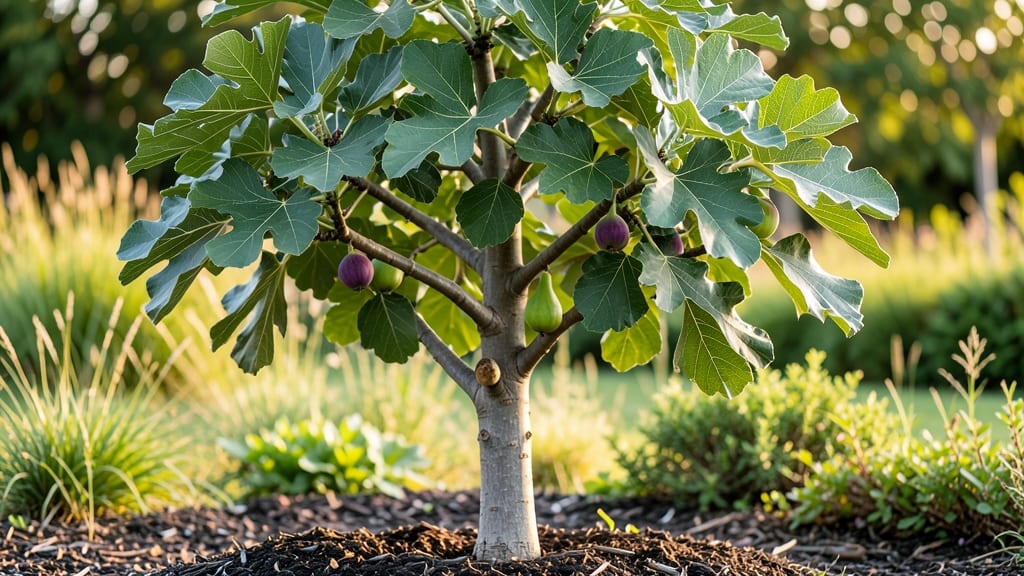
Fig trees thrive best in warm climates within USDA zones 7 through 10, where they demand full sun exposure and well-draining soil. While they can handle brief cold snaps, prolonged freezing below 15°F (-9°C) will kill them back to the ground. Once established, they become remarkably drought-tolerant but suffer in humid, waterlogged soils or scorching heat without proper shade.
Understanding your local climate is key to growing figs successfully. 🌳 Most fig varieties—especially Mediterranean types—struggle outside zones 7-10, but cold-hardy cultivars like 'Chicago Hardy' can survive zone 5 with protection.
The secret to pushing their limits lies in soil prep: sandy loam with excellent drainage mimics their native rocky hillsides, while mulching adds insulation during winter. In hotter climates, afternoon shade prevents leaf scorch while maintaining fruit production.
What surprises many growers is how quickly figs adapt once established. After their first year, mature trees develop deep root systems that tap into moisture reserves, making them surprisingly resilient during dry spells.
However, their sensitivity to humidity means poor air circulation can lead to fungal issues like root rot—so spacing and proper airflow matter just as much as temperature control.
💡 In This Article
- Fig Tree Hardiness Zones and Temperature Tolerances
- Optimizing Fig Tree Growth in Marginal Climates
Fig tree hardiness zones and temperature tolerances
Fig trees originate from Mediterranean climates where temperatures rarely drop below 20°F (-7°C), which explains why most varieties thrive in USDA zones 7-10.
The key difference between varieties lies in their cold tolerance: Mediterranean types (like 'Brown Turkey') typically survive down to 15°F (-9°C) for short periods, while cold-hardy cultivars such as 'Chicago Hardy' can withstand 0°F (-18°C) with proper protection.
This variance occurs because cold-hardy figs develop thicker bark and deeper root systems that insulate against freezing.
The damage mechanism during cold snaps involves ice crystal formation in plant cells. When temperatures drop below 28°F (-2°C), water inside fig leaves and stems begins crystallizing, rupturing cell walls and causing brown, mushy spots.
Prolonged exposure below 15°F (-9°C) kills the above-ground growth entirely, but the roots often survive to regrow in spring. This is why many gardeners in zone 6 prune back fig trees to ground level each winter—they're banking on root resilience.
Seasonal growth patterns also reflect climate adaptation. In warm zones (8-10), figs produce two crops annually: a spring "breba" crop from overwintering buds and a larger summer "main" crop. In cooler zones (6-7), only the summer crop typically develops because the breba buds often fail to break dormancy.
The timing of frost is critical—even a light freeze (32°F/0°C) after bud set can destroy developing fruit, making late-season protection essential.
Heat tolerance varies by variety too. Mediterranean figs struggle in temperatures above 95°F (35°C) without shade, as their thin leaves wilt and fruit quality declines. In contrast, desert-adapted varieties like 'Violette de Bordeaux' handle 110°F (43°C) heat better due to thicker cuticles that reduce water loss.
This is why growers in arid regions often plant figs near structures or other trees to create microclimates with 10-15°F (5-8°C) cooler afternoon temperatures.
Soil temperature plays a hidden but crucial role. Fig roots need soil to stay above 50°F (10°C) to activate growth hormones. In cooler climates, gardeners use black plastic mulch or straw to raise soil temperatures by 5-10°F (3-6°C) during spring.
The opposite challenge occurs in hot climates: soil temperatures above 90°F (32°C) can cause root burn, which is why deep, sandy soils that stay cooler are ideal for fig cultivation.
What most growers overlook is how humidity interacts with temperature. High humidity (>70%) combined with 80°F (27°C) nights creates perfect conditions for fungal diseases like fig rust, which thrives in stagnant air.
This is why proper airflow through pruning and spacing is just as important as temperature management—sometimes more so in tropical climates where heat is less of a limiting factor than disease pressure.
For visual reference, here's how varieties compare by zone:
- Zones 7-10: All Mediterranean varieties (e.g., 'Celeste', 'Desert King') thrive with minimal protection
- Zones 6-7: Cold-hardy types ('Chicago Hardy', 'Osborn Prolific') need winter mulch and microclimate protection
- Zones 5 and below: Only container-growing with winter indoor storage is recommended for varieties like 'Little Miss Figgy'