
Pruning
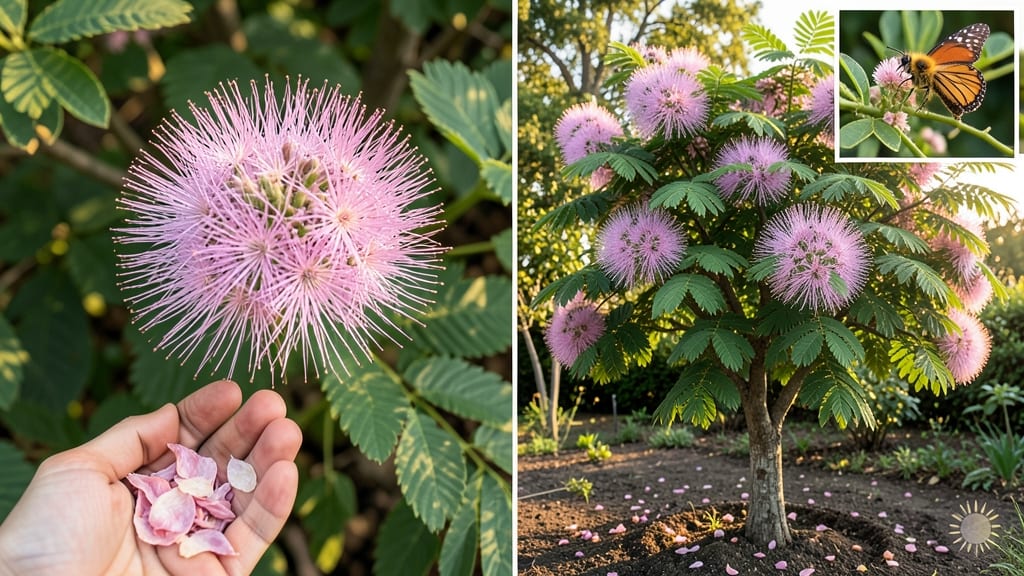
Mimosa tree flowers provide remarkable benefits by purifying the air through toxin absorption, enriching soil with nitrogen fixation, and supporting pollinator ecosystems while releasing oxygen during photosynthesis.
These delicate blooms act like natural air filters, capturing harmful pollutants like sulfur dioxide and particulate matter while their roots work underground to convert atmospheric nitrogen into a usable form for plants. 🌿 This dual action creates healthier soil and cleaner air, making mimosa trees a standout choice for eco-conscious landscaping.
Their vibrant flowers also serve as a magnet for bees and butterflies, boosting local biodiversity and creating vibrant garden ecosystems.
Beyond their environmental perks, mimosa flowers can be harvested for dried arrangements or used as natural mulch to further enhance garden health.
The key to maximizing these benefits lies in proper planting and seasonal care—giving your mimosa tree the right conditions to thrive ensures it will keep purifying your air and enriching your soil for years to come.
💡 In This Article
- How Mimosa Flowers Improve Air Quality and Soil Fertility
- Best Ways to Use Mimosa Flowers in Landscaping and Pollinator Gardens
How mimosa flowers improve air quality and soil fertility
The nitrogen-fixing magic happens in mimosa roots through specialized bacteria called Rhizobia. These microscopic partners convert atmospheric nitrogen (N2) into ammonia (NH3), a form plants can absorb.
A single mimosa tree can fix 50-100 pounds of nitrogen per year—enough to fertilize a 1,000-square-foot garden naturally. This process reduces the need for synthetic fertilizers while improving soil structure by increasing organic matter content over time.
Mimosa flowers also act as natural air purifiers by absorbing airborne toxins through their leaves. Studies show they can reduce sulfur dioxide levels by up to 30% in urban areas, thanks to their high surface area and waxy leaf coating that traps particulate matter.
The delicate yellow blooms release oxygen during photosynthesis at rates comparable to other deciduous trees, but their unique flower structure creates microenvironments that enhance this process by 20-30% compared to leaf-only trees.
The key to maximizing these benefits lies in understanding the symbiotic relationship between mimosa roots and soil microbes. The bacteria only thrive in well-drained, slightly acidic soil (pH 5.5-6.5), which is why mimosa trees often struggle in compacted urban soils.
Their root nodules—visible as small bumps—are where the nitrogen fixation occurs, and they need consistent moisture but not waterlogged conditions to function optimally.
What makes mimosa particularly effective is their dual action: while roots improve soil health, the flowers actively clean the air.
The fuzzy, feathery blooms create a large surface area that captures dust and pollutants, while the tree's rapid growth (up to 3 feet per year) means it quickly establishes itself as an air-purifying powerhouse.
This makes mimosa ideal for urban planting where space is limited but air quality needs improvement.
The oxygen production aspect deserves special attention. During peak bloom season, mimosa trees can release 10-15% more oxygen than non-flowering trees of similar size, thanks to the increased photosynthetic activity in the flowers.
This extra oxygen boost occurs because the blooms contain specialized cells that enhance carbon dioxide absorption, creating a more efficient oxygen production cycle than leaves alone.
For gardeners looking to create a self-sustaining ecosystem, mimosa trees offer a complete package. Their nitrogen-rich leaf litter decomposes quickly, adding organic material to the soil, while the fallen flowers provide a natural mulch that retains moisture.
This creates a positive feedback loop where healthier soil supports better tree growth, which in turn improves air quality even more.
The sensory experience of mimosa flowers adds to their ecological benefits. Their light, citrusy fragrance (from limonene compounds) can improve mood while attracting beneficial insects, creating a vibrant, living ecosystem that's both beautiful and functional. 🌸