
Pruning
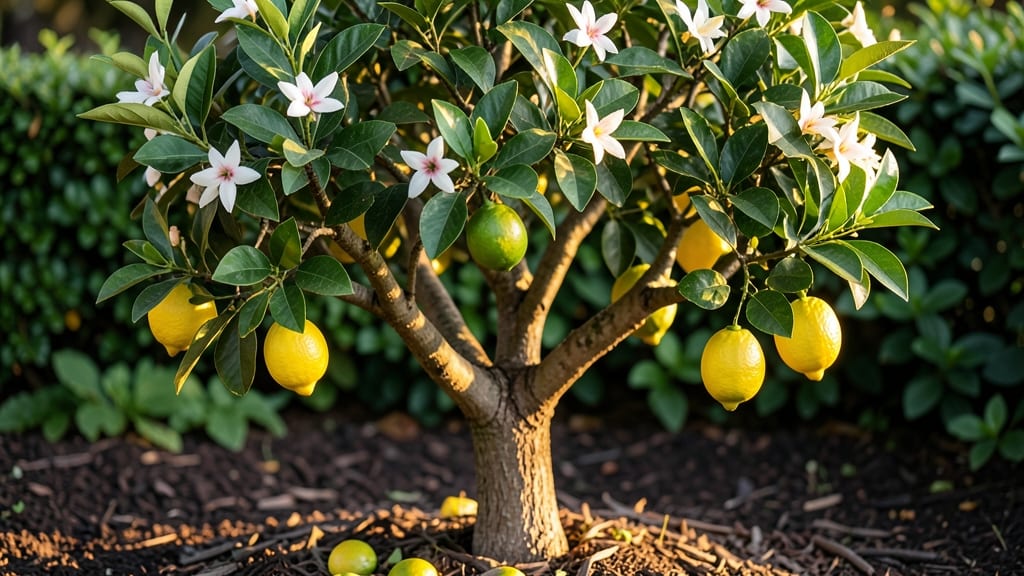
Growing lemon trees in North Carolina requires selecting cold-hardy varieties like Meyer lemons or 'Improved Meyer,' which can survive the state's USDA Zones 7-10. These varieties need well-draining soil, winter protection, and full sun exposure for optimal growth.
North Carolina's climate presents unique challenges for citrus lovers, but the right lemon tree varieties can thrive with proper care. 🌱 The key lies in choosing types bred to tolerate dips below freezing—Meyer lemons, for example, can handle temperatures down to 15°F when protected, while 'Improved Meyer' offers even better cold resistance.
These varieties produce sweeter, less acidic fruit than standard lemons, making them perfect for both culinary use and ornamental gardens.
The secret to success isn't just the variety, though—it's also about planting timing (spring is ideal) and creating microclimates with mulch or containers that can be moved indoors during harsh winters.
For those new to citrus cultivation, I recommend starting with container-grown trees. Potted lemon trees give you flexibility to bring them inside when temperatures drop below 20°F, which is critical for North Carolina's unpredictable winter weather.
The soil mix matters too—citrus trees hate soggy roots, so amend your garden soil with sand or perlite to improve drainage.
And don't forget about sunlight: these trees need at least 6-8 hours of direct sun daily to produce fruit, so choose a south-facing spot or supplement with grow lights during shorter winter days.
💡 In This Article
- Best Cold-Hardy Lemon Tree Varieties for North Carolina Gardens
- Step-by-Step Guide to Planting Lemon Trees in NC Soil
Best cold-hardy lemon tree varieties for North Carolina gardens
North Carolina's winters can drop well below freezing, but certain lemon tree varieties have evolved genetic adaptations that make them surprisingly resilient. The Meyer lemon stands out as the most popular choice because its hybrid genetics (Citrus × meyeri) combine traits from true lemons with cold-tolerant mandarin oranges.
This hybrid can survive brief exposures to 15°F when properly protected, thanks to its thicker leaves and more compact growth habit that minimizes cold damage.
The 'Improved Meyer' takes this further with even better cold resistance and larger fruit yields—its roots and stems contain higher levels of natural antifreeze proteins that prevent cellular damage during freeze-thaw cycles.
The Ponderosa lemon offers another excellent option, though it's less common. Its massive, textured leaves act like natural insulation, protecting the tree's core from rapid temperature drops.
What's fascinating is how these varieties handle North Carolina's humid subtropical climate—their waxy leaf coatings repel excess moisture while still allowing gas exchange, reducing fungal diseases that plague tropical citrus in similar conditions. The trade-off?
These cold-hardy types produce fruit with lower acidity (pH 4.5-5.0) compared to standard lemons (pH 2.0-2.6), making them sweeter and perfect for desserts or garnishes rather than classic lemonade.
Here's what sets these varieties apart from standard lemons (Citrus limon):
- Cold tolerance: Meyer types handle 15-20°F with protection vs. standard lemons' 28°F limit
- Growth habit: Compact, bushy shape resists wind damage common in NC's coastal regions
- Fruit characteristics: Thicker skins prevent splitting during rain, and sweeter flavor thrives in NC's shorter growing seasons
- Disease resistance: Natural resistance to citrus canker (a major NC problem) due to hybrid vigor
The key mechanism behind their cold hardiness lies in their dormancy response. When temperatures drop below 50°F at night, these varieties trigger physiological changes that include:
- Reduced metabolic activity to conserve energy
- Increased production of protective sugars in leaves
- Slower water uptake to prevent ice crystal formation in cells
This biological adaptation explains why you'll often see Meyer lemons flowering in early spring—once temperatures stabilize above 60°F, they "wake up" and resume vigorous growth. The downside?
Their flowering period is shorter (4-6 weeks) compared to tropical citrus, so timing is everything for fruit production in North Carolina's Zone 7b-8a regions.
For those considering Eureka or Lisbon lemons, be warned—they're beautiful but only tolerate 25°F at best. In North Carolina's Zone 7a (where winters can hit 0°F), these varieties require indoor overwintering or risk complete die-off.
The lesson? Always match your variety to your specific microclimate—coastal areas like Wilmington (Zone 8a) have milder winters than the Piedmont's Charlotte (Zone 7b), so protection needs vary dramatically across the state.