
Pruning
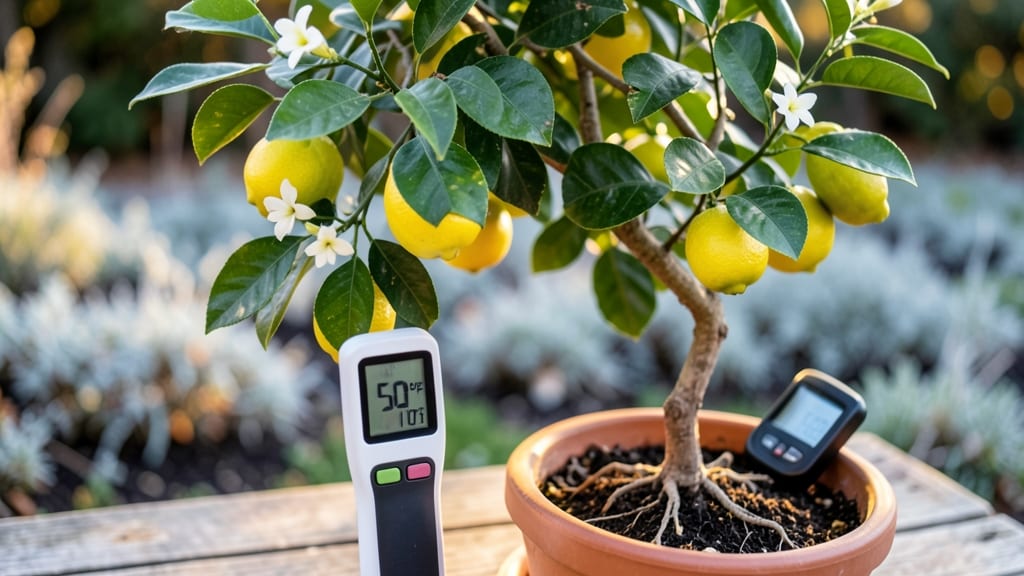
Bringing your Meyer lemon tree 🍋 inside at the right time saves it from frost damage and keeps it thriving year-round.
You’ve nurtured this citrus beauty through spring blooms and summer harvests, but when the first chill hits, hesitation can cost you. A single night below 32°F (0°C) can blacken leaves and stunt growth—yet waiting too long risks shock from abrupt indoor changes.
In USDA Zone 6a, that means watching the forecast after October 15, your first frost date, and acting before temperatures dip for more than a few hours. The key is catching the warning signs: yellowing leaves, slowed growth, or even the scent of frost in the air.
Below, I’ll walk you through the exact steps to transition your Meyer lemon tree indoors—from hardening it off to picking the perfect indoor spot—so you can enjoy year-round harvests without the guesswork.
Meyer lemon tree cold-hardiness limits: exact temperatures & warning signs
Meyer lemon trees (Citrus × meyeri) are subtropical plants that struggle when temperatures dip below 32°F (0°C). Unlike hardy citrus varieties, they lack natural frost resistance, making precise timing critical for survival.
Even brief exposure to freezing temps can cause irreversible damage to leaves, stems, and fruit. Understanding these temperature thresholds and early warning signs ensures your tree thrives year-round.
Your Meyer lemon tree’s cold tolerance tops out at 28°F (-2°C) for short durations, but prolonged exposure below 32°F (0°C) triggers stress responses. The first visible symptoms appear as leaf discoloration—yellowing or browning edges—followed by wilting.
These signs indicate the plant is already struggling to regulate moisture, a precursor to cold shock. Monitoring local frost forecasts and acting preemptively can save your tree before damage occurs.
Here’s the critical temperature breakdown for Meyer lemon trees:
| Temperature Range (°F/°C) | Risk Level | Plant Response | Action Required |
|---|---|---|---|
| Above 40°F (4°C) | Low | Normal growth | None (outdoor safe) |
| 32–40°F (0–4°C) | Moderate | Leaf yellowing, slowed growth | Monitor closely; prepare to move indoors |
| 28–32°F (-2–0°C) | High | Wilting, brown leaf edges, fruit drop | Move indoors immediately |
| Below 28°F (-2°C) | Critical | Cell damage, blackened leaves, stem dieback | Emergency relocation; prune dead growth |
Beyond temperature, watch for subtle environmental cues like morning frost on nearby plants or a sudden temperature drop overnight. These are your early frost indicators that it’s time to act.
For example, if your local weather app predicts a 30°F (-1°C) night and your tree is still outdoors, delay isn’t an option—relocate immediately to prevent irreversible damage.
Use a thermometer to track overnight lows, especially if you’re in USDA Zone 7 or colder. Even a single night below 32°F (0°C) can stress your tree, so don’t wait for frost to form on leaves.
Proactive gardeners move their Meyer lemon trees indoors 3–5 days before the first frost advisory, giving the plant time to acclimate indoors without shock.
Another key symptom is leaf curling, where edges roll inward or upward—a clear sign the plant is conserving moisture. If you notice this paired with stiff, brittle leaves, your tree is already in distress.
At this stage, even indoor conditions may not fully reverse the damage, so prevention is your best strategy. Pair your temperature monitoring with a weekly leaf inspection to catch issues early.
For those in coastal climates, where humidity buffers cold, thresholds may stretch slightly higher—up to 30°F (-1°C) for brief periods. However, inland areas with dry air offer zero protection, so err on the side of caution.
If your local first frost date is October 15 (like in USDA Zone 6), start preparing your Meyer lemon tree for indoor life by mid-September to avoid last-minute stress.
Don’t overlook the psychological cues from your tree, like reduced growth or dropped leaves, even without frost. These signs suggest the plant is preparing for dormancy or struggling to adapt.
Combine these observations with local weather patterns—if your area typically sees a sharp temperature swing in autumn, plan to move your tree indoors 2 weeks earlier than usual to account for variability.
Once you’ve identified the warning signs and temperature thresholds, the next step is indoor acclimation. Place your tree near a south-facing window to mimic its outdoor light exposure, and avoid drafty spots like near doors or AC vents.
With the right timing and care, your Meyer lemon tree can survive—and thrive—through winter, ready to bear fruit again in spring.
Step-by-step guide to transitioning your Meyer lemon tree indoors before frost
Moving your Meyer lemon tree indoors before frost isn’t just about avoiding cold damage—it’s about minimizing stress so your plant thrives year-round. Start by monitoring local weather forecasts for the first frost warning, typically between October and November in most regions.
Aim to begin the transition process 2-3 weeks before the predicted frost date to give your tree time to adjust.
Your Meyer lemon tree needs gradual acclimation to prevent shock. Sudden temperature drops or bright indoor lights can cause leaf drop or stunted growth. Begin by moving the tree to a shaded outdoor spot during the day and bringing it back inside at night.
This hardening-off process mimics natural conditions and prepares the tree for indoor life.
📋 When to Bring Meyer Lemon Tree Inside: Step-by-Step Checklist
- 1 Monitor Frost Dates: Check your local first frost date (usually October 15 in USDA Zone 6). Start preparing 2-3 weeks before this date.
- 2 Acclimate Gradually: Move the tree to a shaded outdoor spot during the day, then bring it inside at night for 5-7 days before the final move.
- 3 Inspect for Pests: Check leaves and stems for spider mites or aphids. Treat with neem oil if needed before bringing indoors.
- 4 Choose Indoor Location: Place near a south-facing window for 6+ hours of sunlight. Avoid drafty areas like near doors or vents.
- 5 Adjust Watering: Reduce watering to every 7-10 days indoors, as potted soil dries slower without outdoor heat.
- 6 Boost Humidity: Use a humidifier or place the pot on a pebble tray to maintain 40-50% humidity, mimicking outdoor conditions.
- 7 Monitor for Stress: Watch for yellowing leaves or leaf drop. If seen, adjust light or humidity immediately to prevent further damage.
Once indoors, prioritize bright, indirect light—a south-facing window is ideal. If natural light is insufficient, supplement with a grow light for 12-14 hours daily. Avoid placing your tree near heating vents, as dry air can cause leaf burn or pest infestations.
Instead, opt for a consistent temperature between 60-75°F.
Humidity is another critical factor. Indoor air is often dry, especially in winter, which can lead to brown leaf tips or curling leaves. Increase humidity by grouping plants together, using a humidifier, or misting leaves daily.
A pebble tray with water beneath the pot also works well to maintain moisture levels around the roots.
After moving your Meyer lemon tree indoors, reduce watering slightly to prevent root rot from overwatering. Check the soil every 7-10 days—stick your finger 1-2 inches deep.
If it’s dry, water thoroughly until it drains from the bottom. Avoid letting the pot sit in standing water, as this can suffocate roots.
Keep an eye out for signs of stress like drooping leaves or discoloration. These often indicate low humidity, insufficient light, or overwatering. Adjust care immediately to help your tree recover. With the right indoor setup, your Meyer lemon tree can continue producing fruit year-round, even through winter!