
How To
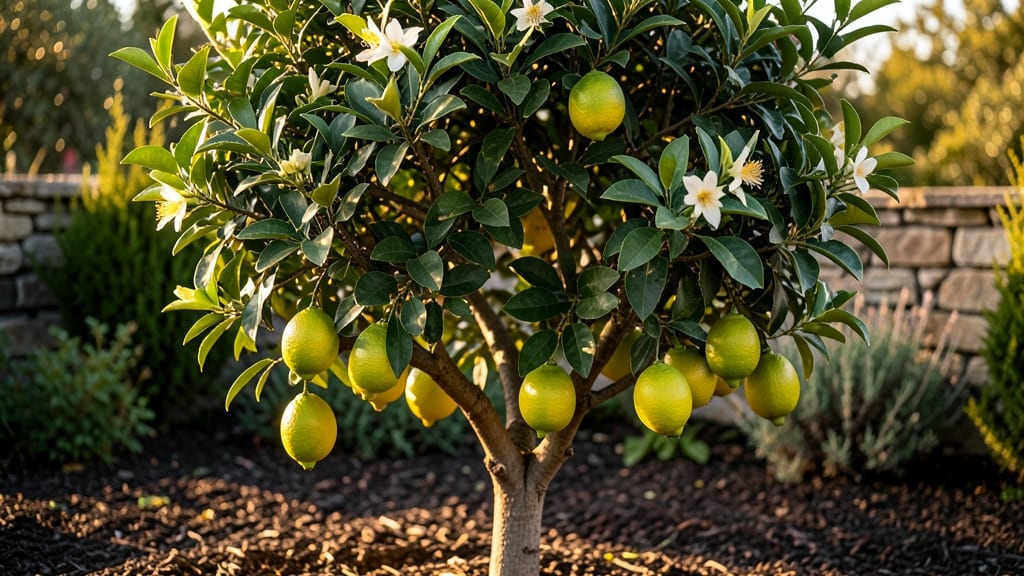
A Meyer lemon tree grows to 6 to 12 feet tall—enough to reach your kitchen ceiling but small enough to fit in a sunny corner with the right care.
Dreaming of fresh Meyer lemon juice but short on yard space? This sweet, cold-hardy citrus tree thrives in containers—if you know exactly how much room it needs to grow.
Whether you’re growing it indoors near a window or outdoors in USDA Zones 6-10, size control is the key to keeping it manageable without sacrificing those juicy lemons.
In its first year, your 🍋 Meyer lemon tree will shoot up to 2-3 feet, but without pruning, it can easily double in height by year three. That’s why container size and pruning habits matter so much—both can cut 3-5 feet off its mature height if you plan ahead.
Below, I’ll break down how to manage its growth, from choosing the right pot to pruning techniques that keep it compact without sacrificing fruit. You’ll also learn how sunlight, water, and even fertilizer can influence its height—so you can grow a tree that fits your space and your schedule.


Meyer lemon tree height guide: what to expect indoors vs outdoors
If you're growing a Meyer lemon tree, understanding its height progression is key to planning space—whether indoors or outdoors. These trees grow faster in warm climates but can be managed with proper care, including pruning and container selection.
Let’s break down what to expect year by year and how to control growth if needed.
Outdoor Meyer lemon trees typically reach 6–12 feet at maturity, while indoor trees stay shorter—around 4–6 feet—when grown in containers. The difference comes down to root space, sunlight, and pruning. Without intervention, even container-grown trees can outgrow their pots, leading to stunted growth or root-bound stress.
Here’s how your Meyer lemon tree will grow over time, comparing container vs. in-ground planting:
For container-grown Meyer lemon trees, height is directly tied to pot size. A 5-gallon pot may work for the first year, but you’ll need to upgrade to 15–25 gallons by year 3 to prevent root binding.
Without enough space, growth slows, and the tree may become stressed, leading to fewer lemons.
Outdoor trees grow taller because they have unrestricted root space and full sun exposure. In USDA Zone 6, expect slower growth in cooler months, while Zone 10 trees grow year-round. Pruning in late winter (before new growth) helps control height and encourages fruit production.
If your Meyer lemon tree is growing too tall for your space, prune in early spring by cutting back 1/3 of the new growth. This encourages bushier growth and more lemons.
For indoor trees, place them near a south-facing window or under grow lights to maximize sunlight, which slows leggy growth.
Pro tip: Dwarf Meyer lemon varieties like ‘Improved Meyer’ stay under 6 feet and are perfect for containers. These varieties produce just as many lemons as standard trees but take up far less space—ideal for patios or small yards.
Remember, consistent care—like regular watering, fertilizing, and pruning—keeps your tree healthy and within your desired height range. With the right approach, you can enjoy fresh lemons without sacrificing your garden’s layout.
🍋
Container size requirements: how big should your pot be?
Choosing the right container size is critical for your Meyer lemon tree’s health and fruit production. Unlike in-ground planting, container-grown trees need careful monitoring of root space and drainage to prevent issues like root bound or waterlogging.
A pot that’s too small will stunt growth, while one that’s too large can lead to overwatering and fungal problems.
For young trees, start with a 5-gallon container (18-24 inches in diameter) to support the first year’s growth. As your tree matures, you’ll need to upgrade to larger containers—typically 10-15 gallons for a 3-5 year old tree and 20+ gallons for mature trees.
The key is balancing root expansion with your space constraints.
- 1 Year 1: 5-gallon pot (18-24" diameter) for 2-3 ft trees. Use well-draining soil with perlite or sand.
- 2 Years 2-3: Upgrade to 10-15 gallons (24-30" diameter) for 4-6 ft trees. Add citrus fertilizer every 4-6 weeks.
- 3 Years 4-5: 20+ gallons (30-36" diameter) for 6-8 ft trees. Ensure drainage holes and elevated pots to prevent root rot.
- 4 Mature Trees: 30+ gallons (36"+ diameter) for 8-12 ft trees. Use self-watering pots in hot climates to maintain moisture.
- 5 Dwarf Varieties: 5-10 gallons suffice for 4-6 ft trees. Prune annually to control height and encourage fruit production.
When upgrading containers, choose fabric grow bags or glazed ceramic pots for better aeration and temperature regulation. Avoid plastic containers without drainage, as they trap moisture and promote root rot. If you’re using a decorative pot, place your tree in a nursery pot inside it to ensure proper drainage.
Pro tip: If your tree outgrows its container, it’s time to repot during spring when new growth begins. Gently loosen the roots and add citrus-specific potting mix to fill the new space. This reduces transplant shock and encourages faster recovery.
Remember, drainage is non-negotiable. A container without holes will drown your tree’s roots, even if it feels dry on the surface. Elevate pots on feet or saucers to improve airflow and prevent water from pooling.
With the right container size and care, your Meyer lemon tree will thrive and reward you with juicy lemons year after year! 🍋