
Pruning
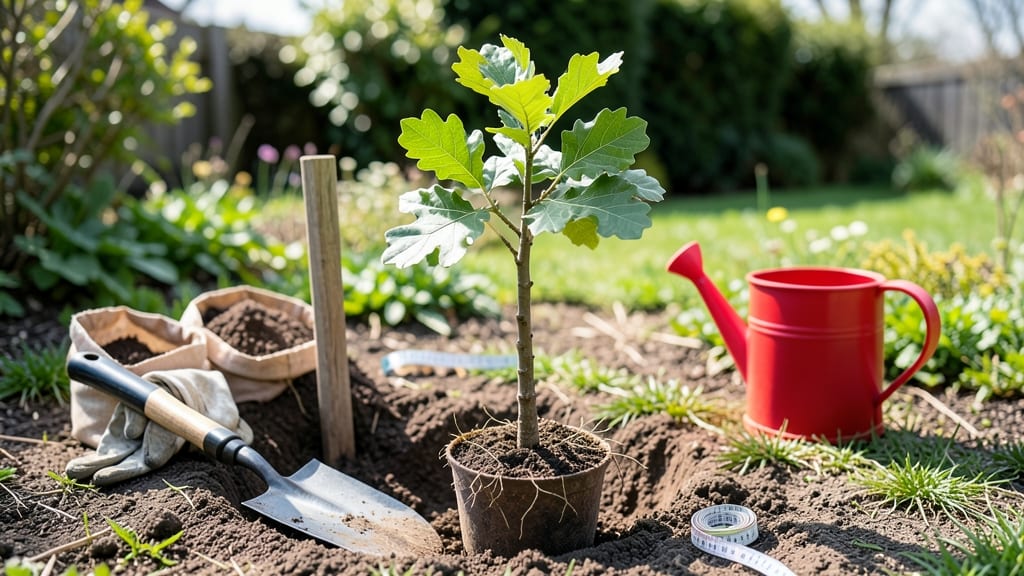
Planting trees in London isn’t just about digging a hole—it’s about choosing the right species to thrive in our urban climate. 🌳 I’ve learned that London’s mix of pollution, compact spaces, and unpredictable weather demands smart tree selection, from pollution-tolerant London plane to compact cherry blossoms that fit small gardens.
The key is matching the tree to your space and the city’s challenges.
Start with soil prep: London’s clay-heavy ground drains poorly, so amend with compost or grit to improve aeration. Native varieties like silver birch or field maple handle our conditions best, while urban-friendly options like dwarf conifers work in tight spots.
I’ve seen even balcony planters host small fruit trees—proof that size isn’t the limit.
After planting, mulch well to retain moisture (critical in our dry summers) and stake only if needed—over-staking can weaken roots. Water deeply once a week for the first year, adjusting for London’s sudden downpours or heatwaves. The payoff? A tree that grows strong enough to handle the city’s stresses.
For Londoners, local resources like the Tree Council’s planting guides or nurseries specializing in urban varieties make it easier. Whether you’ve got a back garden or just a balcony, these tips turn any spot into a thriving mini-forest. Let’s get those roots in the ground!
📚 In This Guide
- What you need
- Instructions
- Tips and common mistakes
- Wrapping up and next steps
What you need
- ● Climate-adapted tree saplings: Choose from native or London-hardy varieties like London Plane (Platanus × acerifolia), Silver Birch (Betula pendula), or Hawthorn (Crataegus monogyna). Buy 1-3 saplings (depending on space) from certified nurseries.
- ● High-quality potting soil: 1-2 bags (20-30L each) of peat-free compost mixed with 20% perlite or sand for drainage.
- ● Tree planting hole tools: Shovel or spade (for digging 2-3x wider than the root ball).
- ● Garden trowel (for delicate root adjustments).
- ● Mulch: 5-10L of wood chip mulch or straw to retain moisture and suppress weeds.
- ● Watering can or hose: With a gentle spray nozzle for post-planting hydration.
- ○ Optional but helpful: Garden gloves (to protect hands from rough bark or soil).
- ● Stakes and ties (2-4 stakes) for young, tall trees in windy areas.
- ● Tree guard (to deter pests or protect from foot traffic).
- ● Soil pH tester (to check 6.0-7.0 pH range, ideal for most London trees).
- ● Prerequisites: Check local London council guidelines for permits (if planting near pavements or public land).
- ● Test soil moisture—plant on a cloudy day or early morning to reduce stress on saplings.
- ● 🔥 Buy local! Saplings from UK nurseries adapt better to London’s microclimates.
- ● 🌡️ Water deeply after planting—10-15 liters per tree to settle the soil.
- ● ✨ Mark the spot with a biodegradable stake to avoid disturbing roots during watering.
Step-by-step guide to planting trees in London’s climate
London’s unpredictable weather demands smart tree selection and planting. Here’s how to set your new tree up for long-term success.
🌱 Step 1: Choose the Right Tree for London’s Conditions
London’s urban climate—cool, damp winters and mild, humid summers—favors trees that tolerate pollution, compacted soil, and occasional drought. Native species like field maple, London plane, or hawthorn thrive with minimal fuss. Avoid delicate varieties like magnolias unless you’re in a sheltered garden.
Check your site’s sun exposure—most London gardens get partial shade. If your tree will face north or east, opt for shade-tolerant species like beech or hornbeam. For sunnier spots, silver birch or rowan handle heat better. Dig a hole now and mark the planting spot with a stake—you’ll need twice the width of the root ball for proper spacing.
🪴 Step 2: Prepare the Planting Hole and Soil
Use the native soil from your hole—London’s clay-heavy soil drains poorly, so don’t mix in sand or compost unless your tree needs extra nutrients. Loosen the sides of the hole with a fork to 12 inches deep, breaking up compacted layers. This helps roots spread into the surrounding soil instead of circling the root ball.
If your soil is very heavy clay, add a 5-gallon bucket of well-rotted compost to the bottom of the hole—just enough to improve drainage without overwhelming the tree. Skip peat-based mixes; London’s moisture keeps them soggy. Place the tree in the hole so the top of the root ball sits level with ground height—burying too deep suffocates roots.
☀️ Step 3: Plant and Stabilize the Tree
Lower the tree into the hole and spread roots outward gently—never force them. Fill the gap with soil, tamping lightly every 2 inches to remove air pockets. Water deeply as you go to settle the soil around roots. Stop when the hole is ¾ full, then top with 2-3 inches of mulch (wood chips or bark) to retain moisture and suppress weeds.
Stake only if needed—young trees in exposed spots (like windy streets) benefit from two stakes tied loosely to avoid girdling the trunk. Bury stakes 6 inches deep and angle them outward for support. Water again until the soil is evenly damp 6 inches down—this encourages roots to grow deeper right away.
💧 Step 4: Water and Protect Through the First Year
London’s variable rainfall means you’ll need to water once a week for the first year, more in dry spells. Deep watering—10-15 gallons per tree—encourages roots to grow beyond the root ball. Check soil moisture by pushing a finger 4 inches down; if it’s dry, water again. Overwatering in clay soil drowns roots, so let the top 2 inches dry out between waterings.
Protect young trees from urban pests like deer or rabbits with a tree guard (metal or plastic). In winter, wrap the trunk with burlap or fleece if your tree is small—London’s frosts can damage tender bark. Prune only to remove dead or crossing branches in late winter; avoid heavy pruning, which stresses trees in cold weather.
⏰ Step 5: Monitor and Adjust for Long-Term Health
After the first year, your tree should need little extra care—just annual mulch top-ups and watering during prolonged dry spells. Watch for leaf yellowing (often a sign of iron deficiency in alkaline London soil) or leaf scorch (too much sun). If leaves yellow, apply a chelated iron supplement in spring. For scorch, provide afternoon shade with a temporary shade cloth.
London’s urban heat island effect means trees planted in paved areas may dry out faster. If your tree struggles, increase mulch depth to 4 inches and water every 10-14 days in summer. With the right species and care, your tree will thrive for decades—even through London’s famously unpredictable weather.
Tips & tricks for perfect tree planting in London
London’s climate throws curveballs, but these pro tips will help your tree thrive despite the weather.
Species Selection Matters: Native trees like London plane or field maple handle the city’s pollution and compacted soil like champs. If you’re unsure about your garden’s exposure, test it for a week first—most London gardens get partial shade. For sunnier spots, silver birch or rowan are tougher choices. I always check the microclimate before buying, and it’s saved me from buying the wrong tree twice.
Soil Prep is Non-Negotiable: London’s clay soil is notorious for poor drainage, so don’t skip loosening the sides of the hole to 12 inches deep—this breaks up compacted layers that can strangle roots. If your soil is very heavy clay, that 5-gallon bucket of well-rotted compost at the bottom makes all the difference. I’ve seen roots circle instead of spread when this step is rushed, and it’s a heartbreaker to watch.
Planting Depth is Critical: The top of the root ball should sit level with ground height—burying too deep suffocates roots while planting too shallow exposes them. I use a small stake to mark the original soil line before removing the tree from its container, then reference that when planting. This simple trick prevents one of the most common mistakes.
Watering Wisdom: London’s variable rainfall means you’ll need to water once a week for that first year, but don’t drown the roots—let the top 2 inches dry out between waterings. I use a rain gauge to track weekly rainfall and adjust accordingly. Deep watering with 10-15 gallons per session encourages roots to grow beyond the root ball, which is exactly what we want for long-term stability.
Pro Tips for Tree Planting London
- London’s climate throws curveballs, but these pro tips will help your tree thrive despite the weather.
- Species Selection Matters: Native trees like London plane or field maple handle the city’s pollution and compacted soil like champs.
- Soil Prep is Non-Negotiable: London’s clay soil is notorious for poor drainage, so don’t skip loosening the sides of the hole to 12 inches deep—this breaks up compacted layers that can strangle roots.
Frequently asked questions
Got questions about tree planting in London?
You’re not alone! Here are some of the most common queries—plus straightforward answers to help you get started with confidence.
What’s the best time of year to plant trees in London’s climate?
The ideal window is late autumn to early spring (November–March), when soil is moist but not frozen. This gives roots time to establish before summer heat. Spring (March–May) is a close second—just water deeply during dry spells. Avoid planting in peak summer (June–August) unless you’re using drought-tolerant species like London plane or holly.
How often should I water newly planted trees in London?
Water twice a week for the first year, soaking the root ball (about 1–1.5 meters deep). After that, once a week during dry spells (check the Met Office for rain forecasts). Mulch heavily (10cm layer) to retain moisture—just keep mulch away from the trunk to prevent rot.
Can I plant trees in London’s urban areas, or are there restrictions?
Most London neighborhoods allow tree planting, but check local planning rules—especially near sidewalks or listed buildings. The Greater London Authority and Trees for Cities offer free advice. Street trees may require council approval; opt for smaller varieties (e.g., rowan or crabapple) if space is tight.
What should I do if my newly planted tree’s leaves turn yellow or wilt?
Yellow leaves often signal overwatering or poor drainage. Check soil moisture—if it’s soggy, reduce watering. Wilting could mean root stress (too much sun or wind) or pests (aphids, vine weevils). Inspect leaves for holes or sticky residue. Solution: Prune damaged foliage, improve soil aeration, and use organic pest controls like neem oil.
Are there low-maintenance tree varieties that thrive in London’s pollution?
Try London plane (Platanus × acerifolia)—it’s hardy, pollution-tolerant, and handles urban conditions. Other winners:
Pro tip: Pair with mycorrhizal fungi at planting to boost root health in compacted city soil.
Wrapping up and next steps
Planting climate-adapted trees in London isn’t just about greening the city—it’s about securing a healthier future for generations to come. 🌳 From drought-resistant oaks to urban-friendly willows, the right varieties thrive year-round, boosting biodiversity and air quality while standing strong against London’s ever-changing weather.
Whether you’re a gardener, community leader, or eco-warrior, every sapling makes a difference!
Ready to take action? Start small—plant one tree today, share your progress, and inspire others to join the movement. Your green thumb (or even just your enthusiasm!) can help London grow greener, one root at a time. Let’s make it happen!